- Products
- Air Compressors & Air Tools
- Climate Control
- Compaction Equipment
- Concrete Cutting Tools & Equipment
- Concrete and Masonry
- Demolition & Excavation
- Electrical & Mechanical
- Fasteners and Anchoring Adhesives
- Floor Protection
- Generators and Welders
- Hand Tools
- Heaters
- Janitorial and Office Supplies
- Jobsite Protection
- Ladders & Storage
- Lighting & Lighting Accessories
- Man Lifts
- Material Handling Equipment
- Power Tools
- Pressure Washers & Pumps
- Safety Gear
- Safety Products
- Saws
- Surface Preparation
- SEASONAL PRODUCTS
- Rentals
- Air Compressor and Air Tool Rentals
- Climate Control Rental
- Compaction Rentals
- Concrete Equipment Rentals
- Demolition & Excavation Equipment Rentals
- Concrete Floor Grinder Rentals
- General Construction Equipment Rentals
- Generator Rentals and Welder Rentals
- Heater Rentals
- Light Tower Rentals
- Man Lift Rentals in Massachusetts and Rhode Island
- Material Handling Equipment Rentals
- Pressure Washer & Pump Rentals
- Saw Rentals in New England
- SEASONAL PRODUCTS
- Products
- Air Compressors & Air Tools
- Climate Control
- Compaction Equipment
- Concrete Cutting Tools & Equipment
- Demolition & Excavation
- Electrical & Mechanical
- Floor Protection
- Generators and Welders
- Construction Heaters
- Construction Ladders, Staging, & Storage
- Construction Lighting
- Man Lifts
- Material Handling Equipment
- Industrial Janitorial and Office Supplies
- Pressure Washers & Pumps
- Construction Safety Products
- Construction Safety Gear
- Surface Preparation
- Building Protection
- Diesel Accessories
- Zero Emissions
- Rentals
- Air Compressor and Air Tool Rentals
- Climate Control Rental
- Compaction Rentals
- Concrete Equipment Rental
- Demolition & Excavation Equipment Rental
- General Construction Equipment Rental
- Generator Rentals and Welder Rentals
- Construction Heaters Rental
- Light Tower Rentals
- Man Lift Rentals
- Material Handling Equipment Rental
- Pressure Washer & Pump Rentals
- Saw Rentals in New England
- Concrete Floor Grinder Rentals
- Zero Emissions Rentals
- Repairs & Used
- Parts
- Blog
- Services
- Resources
- About Us
- Contact Us
Sales & Rental of Construction | Industrial Equipment & Supplies

How to Choose the Best Trailing Socket for Your Needs?
Choosing the right Trailing Socket can significantly impact your electrical setup. Industry expert John Smith, a leading voice in electrical engineering, states, "A quality trailing socket is essential for efficient power management." Understanding the different types and features is crucial for the best choice.
When selecting a Trailing Socket, consider factors such as power rating, number of outlets, and safety features. Often, consumers overlook these details. For instance, not all sockets have surge protection. This oversight can lead to equipment damage. Besides power capacity, the design and material of the socket also matter.
It's easy to be overwhelmed. Many options exist, from standard to smart sockets. Ask yourself: What do you need? This reflection can guide your selection process. Remember, a poorly chosen Trailing Socket can cause frustrating power issues. Prioritize your needs to make an informed decision.
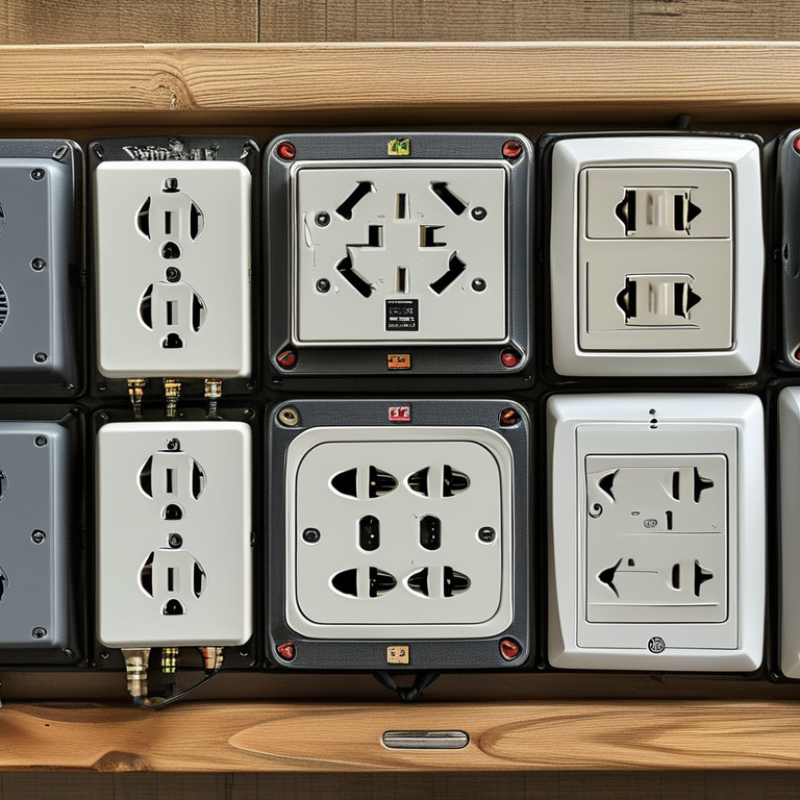
Table of Contents [Hide]
Understanding Trailing Sockets: Definition and Purpose
Trailing sockets are essential components in many electrical applications. They provide flexible connections for power distribution. Understanding their definition and purpose can significantly enhance your choice. A trailing socket allows devices to be connected and disconnected easily. This is particularly useful in environments where equipment needs frequent movement.
When considering their purpose, think about safety and convenience. Trailing sockets come with circuit protection, reducing the risk of electric faults. They often include multiple outlets, accommodating various devices. In workshops, these sockets allow tools to be powered without difficult routing of wires.
However, not all trailing sockets are created equal. Some may lack essential safety features, leading to potential hazards. It's crucial to assess the quality and suitability for your needs. You should consider the installation environment and the load requirements. Reflecting on these aspects will guide you toward a better selection.
© Copyright - Pro Tool & Supply - Site by SVM E-Marketing Solutions - Sitemap
- Privacy policy