- Products
- Air Compressors & Air Tools
- Climate Control
- Compaction Equipment
- Concrete Cutting Tools & Equipment
- Concrete and Masonry
- Demolition & Excavation
- Electrical & Mechanical
- Fasteners and Anchoring Adhesives
- Floor Protection
- Generators and Welders
- Hand Tools
- Heaters
- Janitorial and Office Supplies
- Jobsite Protection
- Ladders & Storage
- Lighting & Lighting Accessories
- Man Lifts
- Material Handling Equipment
- Power Tools
- Pressure Washers & Pumps
- Safety Gear
- Safety Products
- Saws
- Surface Preparation
- SEASONAL PRODUCTS
- Rentals
- Air Compressor and Air Tool Rentals
- Climate Control Rental
- Compaction Rentals
- Concrete Equipment Rentals
- Demolition & Excavation Equipment Rentals
- Concrete Floor Grinder Rentals
- General Construction Equipment Rentals
- Generator Rentals and Welder Rentals
- Heater Rentals
- Light Tower Rentals
- Man Lift Rentals in Massachusetts and Rhode Island
- Material Handling Equipment Rentals
- Pressure Washer & Pump Rentals
- Saw Rentals in New England
- SEASONAL PRODUCTS
- Products
- Air Compressors & Air Tools
- Climate Control
- Compaction Equipment
- Concrete Cutting Tools & Equipment
- Demolition & Excavation
- Electrical & Mechanical
- Floor Protection
- Generators and Welders
- Construction Heaters
- Construction Ladders, Staging, & Storage
- Construction Lighting
- Man Lifts
- Material Handling Equipment
- Industrial Janitorial and Office Supplies
- Pressure Washers & Pumps
- Construction Safety Products
- Construction Safety Gear
- Surface Preparation
- Building Protection
- Diesel Accessories
- Zero Emissions
- Rentals
- Air Compressor and Air Tool Rentals
- Climate Control Rental
- Compaction Rentals
- Concrete Equipment Rental
- Demolition & Excavation Equipment Rental
- General Construction Equipment Rental
- Generator Rentals and Welder Rentals
- Construction Heaters Rental
- Light Tower Rentals
- Man Lift Rentals
- Material Handling Equipment Rental
- Pressure Washer & Pump Rentals
- Saw Rentals in New England
- Concrete Floor Grinder Rentals
- Zero Emissions Rentals
- Repairs & Used
- Parts
- Blog
- Services
- Resources
- About Us
- Contact Us
Sales & Rental of Construction | Industrial Equipment & Supplies


How to Choose the Best Shrink Film Wrapping Machine?
Choosing the right Shrink Film Wrapping Machine is not simply a matter of comparing prices or advertised speed. It requires a practical review of product size, film type, sealing quality, production volume, and available floor space. A machine that performs well for small cartons may struggle with irregular bottles, heavy bundles, or products requiring tight presentation. Measure real products, including their widest points. Small details matter.
Packaging educator Walter Soroka wrote, “Packaging is the science, art, and technology of enclosing and protecting products for distribution, storage, sale, and use.” His words explain why machine selection should consider both protection and presentation. A reliable Shrink Film Wrapping Machine must create consistent seals, controlled heat, and stable film tension. It should also support quick temperature adjustments when materials or product dimensions change.
Look closely at the sealing bar, conveyor design, tunnel airflow, and control system. Ask how operators will clean the machine after a long shift. Check whether replacement parts and technical support are available in your region. A machine may look impressive during a short demonstration, yet perform differently after hours of continuous operation. That is where judgment becomes important.
Perfect equipment does not exist. Every choice involves compromise. Faster machines may require more power, training, or maintenance. Compact models may save space but limit package size. Request sample tests using your actual products and preferred film. Record sealing strength, shrink appearance, cycle time, and film waste. These observations provide stronger evidence than brochures alone. The best decision is the machine that fits your daily process, not merely the one with the highest specification.
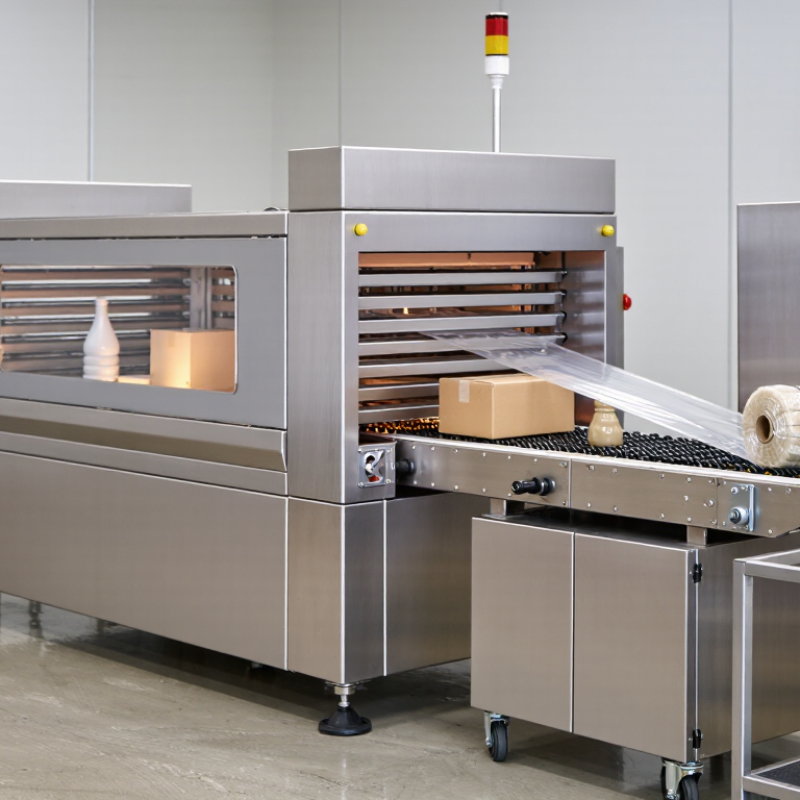
Table of Contents [Hide]
Understanding Shrink Film Wrapping Machines and Their Main Types
How to Choose the Best Shrink Film Wrapping Machine?
Understanding Shrink Film Wrapping Machines and Their Main Types
Shrink film wrapping machines create a tight plastic package around products using heat. In practice, the right machine depends on product size, film type, speed, and sealing quality. Smithers reported continued growth in global flexible packaging demand, driven by lightweight material use and automation. This trend makes equipment selection more technical than it first appears.
L-bar sealers suit small or changing production runs. Operators place products manually, then the machine seals three film sides.
Automatic side-seal machines work better for continuous lines and higher output.
Sleeve wrappers handle grouped products, such as bottles or cartons, with a film sleeve and shrinking tunnel.
Chamber machines can protect irregular products, but their cycle time may be slower.
Not every fast machine saves money. Energy use, film waste, maintenance access, and operator training also affect total cost. The Packaging Machinery Manufacturers Institute notes that integration and labor efficiency remain major purchasing concerns.
Tips: Test real products before buying. Measure seal strength, film consumption, tunnel temperature, and package appearance. Ask for trial data, not only brochure speed. A 30-package test may reveal unstable seals or wrinkled corners. Leave room for mistakes. Product dimensions can change, and a machine chosen too tightly may become a costly limitation. Also check whether the control panel records faults clearly. This small detail matters during a busy shift.

© Copyright - Pro Tool & Supply - Site by SVM E-Marketing Solutions - Sitemap
- Privacy policy