- Products
- Air Compressors & Air Tools
- Climate Control
- Compaction Equipment
- Concrete Cutting Tools & Equipment
- Concrete and Masonry
- Demolition & Excavation
- Electrical & Mechanical
- Fasteners and Anchoring Adhesives
- Floor Protection
- Generators and Welders
- Hand Tools
- Heaters
- Janitorial and Office Supplies
- Jobsite Protection
- Ladders & Storage
- Lighting & Lighting Accessories
- Man Lifts
- Material Handling Equipment
- Power Tools
- Pressure Washers & Pumps
- Safety Gear
- Safety Products
- Saws
- Surface Preparation
- SEASONAL PRODUCTS
- Rentals
- Air Compressor and Air Tool Rentals
- Climate Control Rental
- Compaction Rentals
- Concrete Equipment Rentals
- Demolition & Excavation Equipment Rentals
- Concrete Floor Grinder Rentals
- General Construction Equipment Rentals
- Generator Rentals and Welder Rentals
- Heater Rentals
- Light Tower Rentals
- Man Lift Rentals in Massachusetts and Rhode Island
- Material Handling Equipment Rentals
- Pressure Washer & Pump Rentals
- Saw Rentals in New England
- SEASONAL PRODUCTS
- Products
- Air Compressors & Air Tools
- Climate Control
- Compaction Equipment
- Concrete Cutting Tools & Equipment
- Demolition & Excavation
- Electrical & Mechanical
- Floor Protection
- Generators and Welders
- Construction Heaters
- Construction Ladders, Staging, & Storage
- Construction Lighting
- Man Lifts
- Material Handling Equipment
- Industrial Janitorial and Office Supplies
- Pressure Washers & Pumps
- Construction Safety Products
- Construction Safety Gear
- Surface Preparation
- Building Protection
- Diesel Accessories
- Zero Emissions
- Rentals
- Air Compressor and Air Tool Rentals
- Climate Control Rental
- Compaction Rentals
- Concrete Equipment Rental
- Demolition & Excavation Equipment Rental
- General Construction Equipment Rental
- Generator Rentals and Welder Rentals
- Construction Heaters Rental
- Light Tower Rentals
- Man Lift Rentals
- Material Handling Equipment Rental
- Pressure Washer & Pump Rentals
- Saw Rentals in New England
- Concrete Floor Grinder Rentals
- Zero Emissions Rentals
- Repairs & Used
- Parts
- Blog
- Services
- Resources
- About Us
- Contact Us
Sales & Rental of Construction | Industrial Equipment & Supplies


How to Choose the Best Oil Heaters for Your Home Use?
Choosing the right oil heaters for your home can be a daunting task. According to John Smith, an HVAC expert with over 15 years of experience, “The right oil heater can dramatically improve your comfort and energy efficiency.” This statement encapsulates the importance of making an informed choice.
Oil heaters come in various styles, sizes, and features. It's essential to consider your space's specific needs. Efficiency ratings and safety features should be on your checklist. A reliable heater will not only warm your home but also save on energy bills.
However, many buyers overlook key factors. Size, design, and heater type can significantly impact performance. Investing time in research is crucial. Sometimes, the most popular model may not be the best fit for your unique situation. By understanding your requirements, you can select the best oil heaters for your home.

Table of Contents
[Hide]
Understanding the Basics of Oil Heaters and Their Functionality
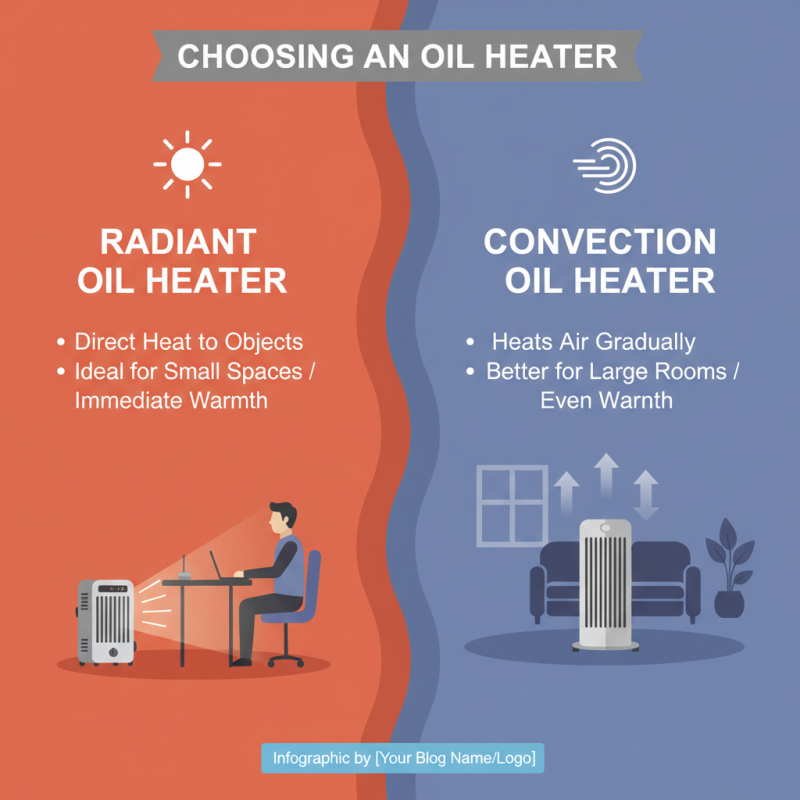
Oil heaters are efficient and reliable heating solutions for many homes. They work by using oil as a heat reservoir. When the oil is heated, it retains warmth for an extended period. This heat gradually radiates into the room, providing a consistent temperature. Knowing how they operate helps in selecting the right unit for your needs.
When choosing an oil heater, consider its capacity. This is usually measured in BTUs (British Thermal Units). A higher BTU rating means it can heat larger spaces more effectively. Think about where you will place the heater. It should be in a location that allows for optimal heat distribution. Take note of safety features too. Some heaters come with tip-over protection, which adds an extra layer of security.
It’s also important to reflect on your comfort preferences. No single heater suits everyone's needs. Personal habits, room size, and insulation can all influence your choice. Reading user reviews can provide insights, but remember that experiences vary widely. What works for one may not work for another. Keep an open mind while exploring options.
How to Choose the Best Oil Heaters for Your Home Use?
| Feature | Description | Pros | Cons |
|---|---|---|---|
| Heat Output | Measured in BTUs, it determines how effectively the heater can warm a room. | Higher BTU ratings provide quick and efficient heating. | May consume more fuel for very high outputs. |
| Energy Efficiency | Rated by the AFUE percentage, indicating how much fuel becomes heat. | More efficient models reduce heating costs. | Higher initial investment may be required for efficient models. |
| Safety Features | Includes features like tip-over switches and overheat protection. | Increases user safety and reduces risk of fire hazards. | Some safety features can add to the cost. |
| Portability | Some models come with wheels for easy movement between rooms. | Convenient for heating different spaces as needed. | Portability might sacrifice some power efficiency. |
| Noise Level | Refers to how much noise the heater makes during operation. | Quieter models are preferred for bedrooms and offices. | Low noise models may be more expensive. |

Related Posts
-

Top All Tools for Efficiency and Productivity in Every Domain?
-

2026 How to Choose the Best Cutting Tools for Your Projects?
-

New Tools Tips for Effective Productivity in 2025?
-

2026 Top Tools for Effective Project Management and Collaboration Tools?
-

Top Used Tools for Efficient Home Improvement Projects?
-
Top Air Tools for Your Workshop Essentials and Uses?

© Copyright - Pro Tool & Supply - Site by SVM E-Marketing Solutions - Sitemap
- Privacy policy