- Products
- Air Compressors & Air Tools
- Climate Control
- Compaction Equipment
- Concrete Cutting Tools & Equipment
- Concrete and Masonry
- Demolition & Excavation
- Electrical & Mechanical
- Fasteners and Anchoring Adhesives
- Floor Protection
- Generators and Welders
- Hand Tools
- Heaters
- Janitorial and Office Supplies
- Jobsite Protection
- Ladders & Storage
- Lighting & Lighting Accessories
- Man Lifts
- Material Handling Equipment
- Power Tools
- Pressure Washers & Pumps
- Safety Gear
- Safety Products
- Saws
- Surface Preparation
- SEASONAL PRODUCTS
- Rentals
- Air Compressor and Air Tool Rentals
- Climate Control Rental
- Compaction Rentals
- Concrete Equipment Rentals
- Demolition & Excavation Equipment Rentals
- Concrete Floor Grinder Rentals
- General Construction Equipment Rentals
- Generator Rentals and Welder Rentals
- Heater Rentals
- Light Tower Rentals
- Man Lift Rentals in Massachusetts and Rhode Island
- Material Handling Equipment Rentals
- Pressure Washer & Pump Rentals
- Saw Rentals in New England
- SEASONAL PRODUCTS
- Products
- Air Compressors & Air Tools
- Climate Control
- Compaction Equipment
- Concrete Cutting Tools & Equipment
- Demolition & Excavation
- Electrical & Mechanical
- Floor Protection
- Generators and Welders
- Construction Heaters
- Construction Ladders, Staging, & Storage
- Construction Lighting
- Man Lifts
- Material Handling Equipment
- Industrial Janitorial and Office Supplies
- Pressure Washers & Pumps
- Construction Safety Products
- Construction Safety Gear
- Surface Preparation
- Building Protection
- Diesel Accessories
- Zero Emissions
- Rentals
- Air Compressor and Air Tool Rentals
- Climate Control Rental
- Compaction Rentals
- Concrete Equipment Rental
- Demolition & Excavation Equipment Rental
- General Construction Equipment Rental
- Generator Rentals and Welder Rentals
- Construction Heaters Rental
- Light Tower Rentals
- Man Lift Rentals
- Material Handling Equipment Rental
- Pressure Washer & Pump Rentals
- Saw Rentals in New England
- Concrete Floor Grinder Rentals
- Zero Emissions Rentals
- Repairs & Used
- Parts
- Blog
- Services
- Resources
- About Us
- Contact Us
Sales & Rental of Construction | Industrial Equipment & Supplies


2025 How to Choose the Best New Electrical Tools for Your Projects
In the ever-evolving world of electrical projects, choosing the right tools can make all the difference between a successful outcome and a frustrating experience. As innovations in the field of new electrical tools continue to emerge, professionals and DIY enthusiasts alike must stay informed to make the best choices for their needs. Renowned industry expert John Harrison, a leading figure in electrical engineering and tool design, emphasizes the importance of selecting tools that enhance both safety and efficiency. “The right tool not only simplifies the task at hand but also elevates the quality of the work performed,” he asserts.
With a plethora of options available, understanding the features, advantages, and potential applications of various new electrical tools is crucial. Whether one is undertaking small home improvements or managing large-scale projects, the latest developments in tool technology can significantly boost productivity and precision. As we delve into the essentials of selecting the best new electrical tools for your projects, consider factors such as user feedback, functionality, design, and compatibility with your specific tasks. A well-informed decision can lead to not only better results but also a more enjoyable working experience.

Table of Contents
[Hide]
Understanding Your Project Requirements and Electrical Tool Needs
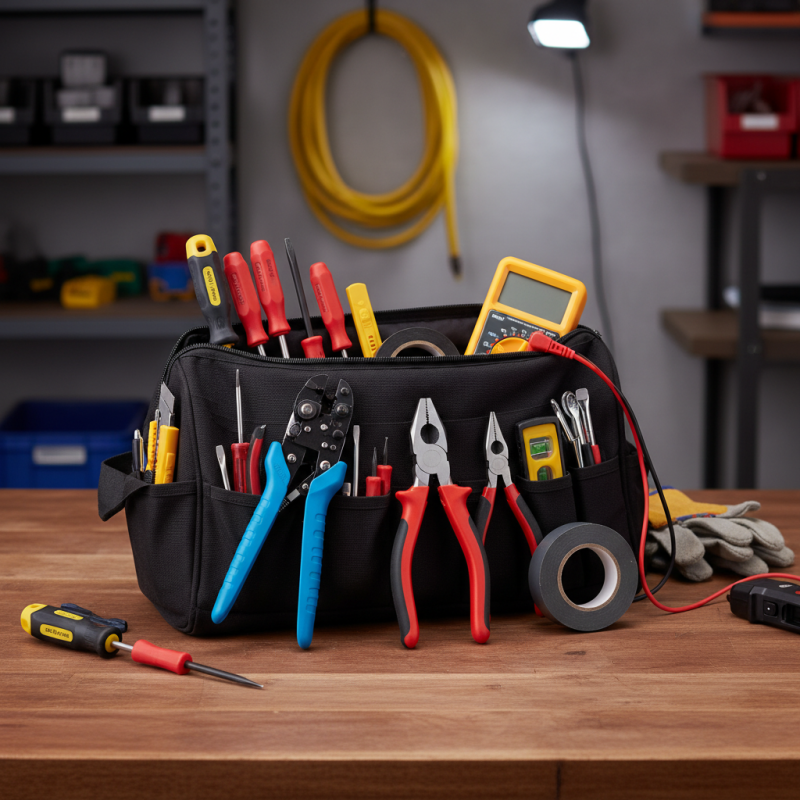
When embarking on any electrical project, understanding your specific requirements is crucial to selecting the right tools. According to a recent industry report by the National Electrical Contractors Association, nearly 70% of electrical professionals cite tool selection as a key factor in project efficiency and safety. Therefore, before purchasing new electrical tools, assess the scope of your project. Consider factors such as the types of wiring involved, the level of precision required, and the work environment. These elements will greatly influence whether you need basic tools or advanced equipment that can handle complex tasks.
Tips: Always create a checklist of the tools and materials you'll need based on your project plan. This organized approach not only saves time and money but also ensures you won't overlook essential tools, which can lead to delays and increased costs. Additionally, staying updated with the latest innovations in electric tools can provide you with options that enhance efficiency and safety, contributing to a more successful project outcome.
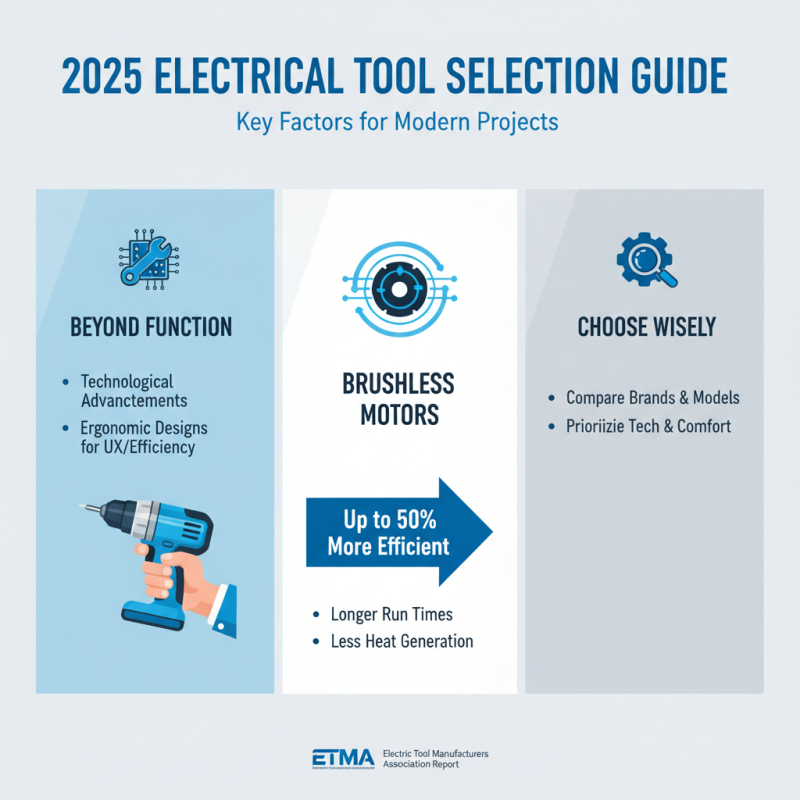
Another critical aspect of evaluating your tool needs involves familiarity with the technology and features that can enhance functionality. A survey from the Electric Tool Manufacturers Association reveals that nearly 60% of professionals preferred tools equipped with ergonomic designs and advanced safety features, underscoring the importance of user comfort and risk reduction. By taking the time to understand both your project requirements and the capabilities of modern electrical tools, you can make informed choices that will support the achievement of your project goals.
Related Posts
-
The Best Electric Power Tools for Every DIY Enthusiast in 2023
-
Best Concrete Finishing Tools You Need for a Perfect Smooth Finish
-
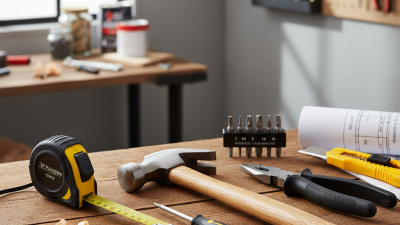
Top 5 Essential Hand Tools Every DIY Enthusiast Should Own
-

Top 10 Tips for Choosing the Best Electric Heaters for Your Home
-
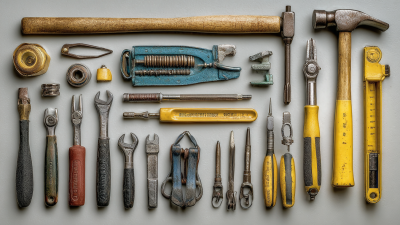
Unlocking the Power of All Tools for Everyday Productivity and Creativity
-
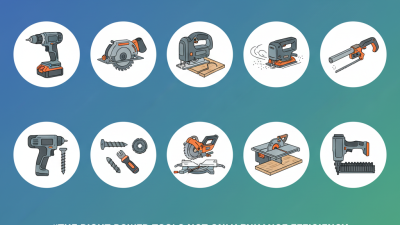
Top 10 Essential Power Tools Every DIYer Needs in 2023

© Copyright - Pro Tool & Supply - Site by SVM E-Marketing Solutions - Sitemap
- Privacy policy