- Products
- Air Compressors & Air Tools
- Climate Control
- Compaction Equipment
- Concrete Cutting Tools & Equipment
- Concrete and Masonry
- Demolition & Excavation
- Electrical & Mechanical
- Fasteners and Anchoring Adhesives
- Floor Protection
- Generators and Welders
- Hand Tools
- Heaters
- Janitorial and Office Supplies
- Jobsite Protection
- Ladders & Storage
- Lighting & Lighting Accessories
- Man Lifts
- Material Handling Equipment
- Power Tools
- Pressure Washers & Pumps
- Safety Gear
- Safety Products
- Saws
- Surface Preparation
- SEASONAL PRODUCTS
- Rentals
- Air Compressor and Air Tool Rentals
- Climate Control Rental
- Compaction Rentals
- Concrete Equipment Rentals
- Demolition & Excavation Equipment Rentals
- Concrete Floor Grinder Rentals
- General Construction Equipment Rentals
- Generator Rentals and Welder Rentals
- Heater Rentals
- Light Tower Rentals
- Man Lift Rentals in Massachusetts and Rhode Island
- Material Handling Equipment Rentals
- Pressure Washer & Pump Rentals
- Saw Rentals in New England
- SEASONAL PRODUCTS
- Products
- Air Compressors & Air Tools
- Climate Control
- Compaction Equipment
- Concrete Cutting Tools & Equipment
- Demolition & Excavation
- Electrical & Mechanical
- Floor Protection
- Generators and Welders
- Construction Heaters
- Construction Ladders, Staging, & Storage
- Construction Lighting
- Man Lifts
- Material Handling Equipment
- Industrial Janitorial and Office Supplies
- Pressure Washers & Pumps
- Construction Safety Products
- Construction Safety Gear
- Surface Preparation
- Building Protection
- Diesel Accessories
- Zero Emissions
- Rentals
- Air Compressor and Air Tool Rentals
- Climate Control Rental
- Compaction Rentals
- Concrete Equipment Rental
- Demolition & Excavation Equipment Rental
- General Construction Equipment Rental
- Generator Rentals and Welder Rentals
- Construction Heaters Rental
- Light Tower Rentals
- Man Lift Rentals
- Material Handling Equipment Rental
- Pressure Washer & Pump Rentals
- Saw Rentals in New England
- Concrete Floor Grinder Rentals
- Zero Emissions Rentals
- Repairs & Used
- Parts
- Blog
- Services
- Resources
- About Us
- Contact Us
Sales & Rental of Construction | Industrial Equipment & Supplies


How to Choose the Best MCB Insulation Tester?
Choosing the right Mcb Insulation Tester is not a matter of selecting the highest voltage or cheapest instrument. It is a safety decision involving circuit ratings, test conditions, measurement accuracy, and technician experience. A dependable tester should support suitable insulation test voltages, stable readings, automatic discharge, and clear warnings before testing. It should also help users avoid applying test voltage to connected electronics, which may cause costly damage.
Field experience makes the difference. In a distribution board, a tester may be used beside cramped terminals, dusty enclosures, and dim lighting. A bright display, well-insulated leads, a strong case, and a responsive hold function can prevent small mistakes. Check whether the instrument follows relevant safety requirements, such as CAT ratings and applicable IEC test guidance. Calibration records and manufacturer support matter too. Specifications alone are not enough.
Not every feature improves the result. Some testers offer advanced functions that rarely match a technician’s daily work. A better choice begins with the MCB type, expected test range, installation environment, and required documentation. Think carefully. Before comparing models, confirm the circuit is isolated, locked out, and verified dead according to your workplace procedure. Even experienced professionals can overlook a connected control device or misread a fluctuating value. This guide explains how to compare testers realistically, balance accuracy with usability, and choose equipment that supports repeatable, defensible maintenance decisions.
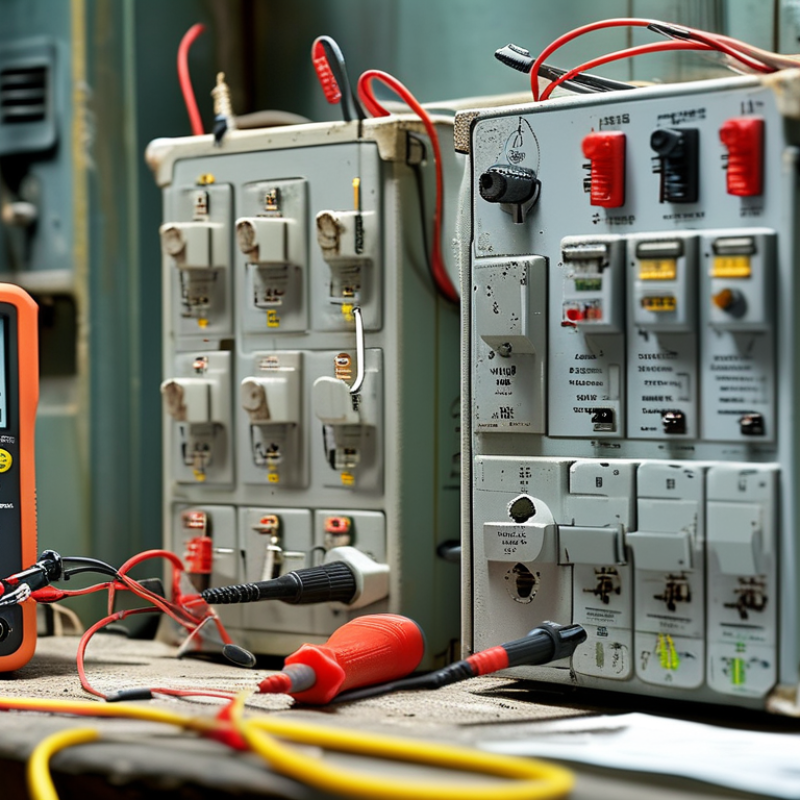
Table of Contents [Hide]
Understanding MCB Insulation Testers and Their Core Functions
An MCB insulation tester is designed to reveal leakage paths that normal continuity checks cannot show. It applies a controlled DC test voltage between live conductors and earth, then measures insulation resistance, usually in megohms. A high reading generally indicates better insulation, but the number needs context.
Core functions matter more than appearance. A dependable tester should offer selectable test voltages, automatic discharge, stable measurement, and clear pass-or-fail readings. Some models also store results, which helps technicians compare circuits over time. Before testing, isolate the circuit, verify the absence of voltage, and disconnect sensitive electronic equipment. Even a short test can damage connected devices.
Small details affect accuracy. Moisture inside a distribution board may reduce readings, while a loose probe can create unstable values. Clean contact points and hold the probes firmly. In practical work, repeating a doubtful test is wise. I once trusted a single low reading and later found a damp terminal, not damaged cable insulation. That mistake was avoidable.
A tester should also match the MCB installation and the applicable electrical standard. Read the manual carefully, especially its limits and discharge time. Do not test blindly. Temperature, cable length, and connected loads can influence results, so record these conditions with each measurement. A skilled operator combines the instrument’s data with inspection, circuit history, and sound judgment.

© Copyright - Pro Tool & Supply - Site by SVM E-Marketing Solutions - Sitemap
- Privacy policy