- Products
- Air Compressors & Air Tools
- Climate Control
- Compaction Equipment
- Concrete Cutting Tools & Equipment
- Concrete and Masonry
- Demolition & Excavation
- Electrical & Mechanical
- Fasteners and Anchoring Adhesives
- Floor Protection
- Generators and Welders
- Hand Tools
- Heaters
- Janitorial and Office Supplies
- Jobsite Protection
- Ladders & Storage
- Lighting & Lighting Accessories
- Man Lifts
- Material Handling Equipment
- Power Tools
- Pressure Washers & Pumps
- Safety Gear
- Safety Products
- Saws
- Surface Preparation
- SEASONAL PRODUCTS
- Rentals
- Air Compressor and Air Tool Rentals
- Climate Control Rental
- Compaction Rentals
- Concrete Equipment Rentals
- Demolition & Excavation Equipment Rentals
- Concrete Floor Grinder Rentals
- General Construction Equipment Rentals
- Generator Rentals and Welder Rentals
- Heater Rentals
- Light Tower Rentals
- Man Lift Rentals in Massachusetts and Rhode Island
- Material Handling Equipment Rentals
- Pressure Washer & Pump Rentals
- Saw Rentals in New England
- SEASONAL PRODUCTS
- Products
- Air Compressors & Air Tools
- Climate Control
- Compaction Equipment
- Concrete Cutting Tools & Equipment
- Demolition & Excavation
- Electrical & Mechanical
- Floor Protection
- Generators and Welders
- Construction Heaters
- Construction Ladders, Staging, & Storage
- Construction Lighting
- Man Lifts
- Material Handling Equipment
- Industrial Janitorial and Office Supplies
- Pressure Washers & Pumps
- Construction Safety Products
- Construction Safety Gear
- Surface Preparation
- Building Protection
- Diesel Accessories
- Zero Emissions
- Rentals
- Air Compressor and Air Tool Rentals
- Climate Control Rental
- Compaction Rentals
- Concrete Equipment Rental
- Demolition & Excavation Equipment Rental
- General Construction Equipment Rental
- Generator Rentals and Welder Rentals
- Construction Heaters Rental
- Light Tower Rentals
- Man Lift Rentals
- Material Handling Equipment Rental
- Pressure Washer & Pump Rentals
- Saw Rentals in New England
- Concrete Floor Grinder Rentals
- Zero Emissions Rentals
- Repairs & Used
- Parts
- Blog
- Services
- Resources
- About Us
- Contact Us
Sales & Rental of Construction | Industrial Equipment & Supplies


How to Choose the Best LPG Gas Detector?
Choosing the right Lpg Gas Detector is a practical safety decision, not a simple product comparison. LPG can collect near floors, under cabinets, or inside poorly ventilated rooms. A reliable detector should identify leaks early and provide a clear warning before gas reaches a dangerous concentration.
This guide examines sensing technology, alarm levels, response time, power options, and installation requirements. It also considers real conditions, such as kitchen heat, dust, humidity, and limited ventilation. A detector placed too high may miss heavier-than-air LPG. A loud alarm may still be ineffective if nobody can hear it at night. Small details matter.
There is no universal best model. The right choice depends on the building layout, cylinder location, appliance type, and maintenance routine. Certified products and clear manufacturer instructions deserve careful attention. Independent testing information can also strengthen confidence, although labels alone do not guarantee perfect protection. That point is easy to overlook.
A dependable Lpg Gas Detector should support regular testing and timely sensor replacement. Users should inspect warning lights, clean the housing gently, and respond to alarms without delay. Never ignore repeated alerts, even when no smell is noticed. Human senses are inconsistent, especially during sleep or illness.
This article offers a balanced way to compare detectors. It focuses on practical evidence rather than impressive specifications. Some recommendations may require reconsideration after a site inspection. Safety planning should remain honest, specific, and adaptable.
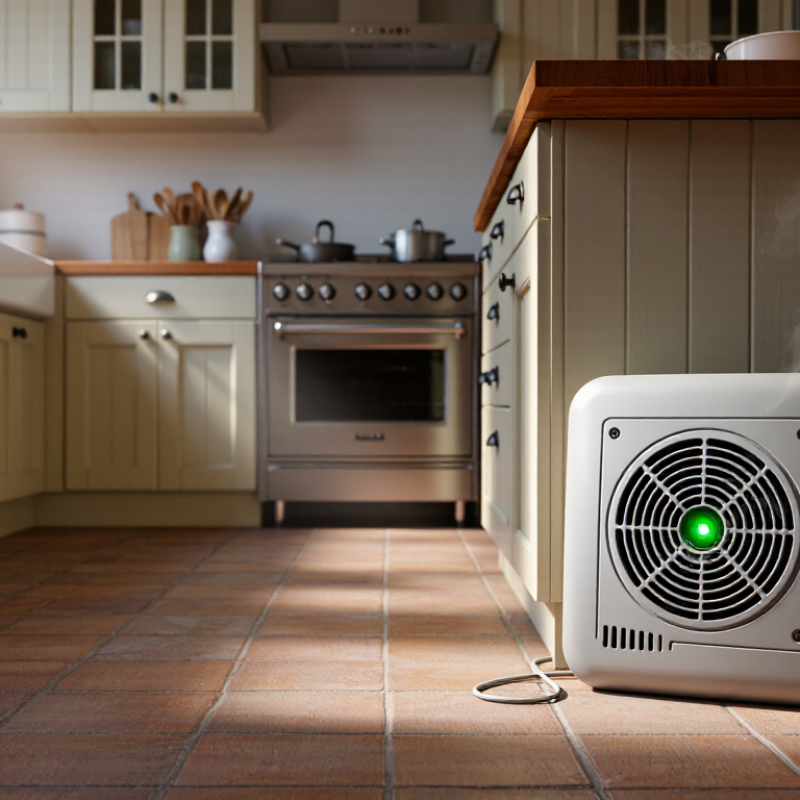
Table of Contents [Hide]
What Is an LPG Gas Detector and How Does It Work?
An LPG gas detector is a safety device that monitors the air for liquefied petroleum gas, including propane and butane. LPG can escape from cylinders, valves, hoses, or cooking appliances. Because it is heavier than air, leaked gas may collect near floors, drains, or enclosed corners. That detail matters when choosing an installation point.
Most detectors use a semiconductor or catalytic sensor to identify gas concentration. When the level reaches a preset threshold, the unit activates a loud alarm, often with flashing lights. Some models also provide digital readings or connect to a ventilation system. A reliable detector should respond consistently, recover after testing, and show clear fault warnings. Read the manual carefully. Small installation errors can reduce protection.
In a kitchen, place the detector near a likely leak source, but not directly above a cooker or beside strong airflow. Keep it away from steam, grease, and outdoor rain. Test the alarm regularly with the approved test function, and replace sensors according to the manufacturer’s schedule. Do not use an ordinary smoke alarm as an LPG detector. It senses a different hazard.
No detector is perfect. Dust, humidity, aging sensors, or poor placement may affect performance. I have seen users test only the alarm sound and ignore the sensor condition. That is not enough. Professional inspection is sensible for commercial kitchens, workshops, and rooms containing multiple cylinders. Fresh batteries help. They do not fix a badly positioned detector.

© Copyright - Pro Tool & Supply - Site by SVM E-Marketing Solutions - Sitemap
- Privacy policy