- Products
- Air Compressors & Air Tools
- Climate Control
- Compaction Equipment
- Concrete Cutting Tools & Equipment
- Concrete and Masonry
- Demolition & Excavation
- Electrical & Mechanical
- Fasteners and Anchoring Adhesives
- Floor Protection
- Generators and Welders
- Hand Tools
- Heaters
- Janitorial and Office Supplies
- Jobsite Protection
- Ladders & Storage
- Lighting & Lighting Accessories
- Man Lifts
- Material Handling Equipment
- Power Tools
- Pressure Washers & Pumps
- Safety Gear
- Safety Products
- Saws
- Surface Preparation
- SEASONAL PRODUCTS
- Rentals
- Air Compressor and Air Tool Rentals
- Climate Control Rental
- Compaction Rentals
- Concrete Equipment Rentals
- Demolition & Excavation Equipment Rentals
- Concrete Floor Grinder Rentals
- General Construction Equipment Rentals
- Generator Rentals and Welder Rentals
- Heater Rentals
- Light Tower Rentals
- Man Lift Rentals in Massachusetts and Rhode Island
- Material Handling Equipment Rentals
- Pressure Washer & Pump Rentals
- Saw Rentals in New England
- SEASONAL PRODUCTS
- Products
- Air Compressors & Air Tools
- Climate Control
- Compaction Equipment
- Concrete Cutting Tools & Equipment
- Demolition & Excavation
- Electrical & Mechanical
- Floor Protection
- Generators and Welders
- Construction Heaters
- Construction Ladders, Staging, & Storage
- Construction Lighting
- Man Lifts
- Material Handling Equipment
- Industrial Janitorial and Office Supplies
- Pressure Washers & Pumps
- Construction Safety Products
- Construction Safety Gear
- Surface Preparation
- Building Protection
- Diesel Accessories
- Zero Emissions
- Rentals
- Air Compressor and Air Tool Rentals
- Climate Control Rental
- Compaction Rentals
- Concrete Equipment Rental
- Demolition & Excavation Equipment Rental
- General Construction Equipment Rental
- Generator Rentals and Welder Rentals
- Construction Heaters Rental
- Light Tower Rentals
- Man Lift Rentals
- Material Handling Equipment Rental
- Pressure Washer & Pump Rentals
- Saw Rentals in New England
- Concrete Floor Grinder Rentals
- Zero Emissions Rentals
- Repairs & Used
- Parts
- Blog
- Services
- Resources
- About Us
- Contact Us
Sales & Rental of Construction | Industrial Equipment & Supplies


How to Choose the Best Hookah Diffuser for Bulk Buying
Choosing the best Hookah Diffuser for bulk buying takes more than comparing prices. The right fit depends on the stem’s inner diameter, diffuser length, and connection style. A small mismatch can cause wobbling, poor airflow, or returns across an entire shipment. Small details matter. Buyers should compare materials, joint finish, hole placement, and ease of cleaning. Ask suppliers for clear measurements and product photos, then check them against the intended hookah models. A sample is useful, but it should be tested for fit and airflow before a large order is placed.
Bulk decisions also depend on consistency. Review minimum order quantities, production lead times, packaging, defect policies, and quality checks. Ask whether dimensions are measured for each production batch, not just shown on a catalogue sheet. Still, one sample cannot tell the whole story. Batch variation may appear later, so written specifications and pre-shipment inspection can reduce avoidable surprises. Compare supplier claims with verifiable documents and direct answers, rather than relying on attractive product images alone. The lowest unit price may become costly if pieces arrive scratched, poorly finished, or packed in a way that causes damage. Check applicable product and import requirements in your market, and request accurate material information. This guide will explain how to assess performance, supplier reliability, and total landed cost, so your order is practical, consistent, and suited to your customers. A careful comparison helps, though no checklist guarantees a perfect shipment.
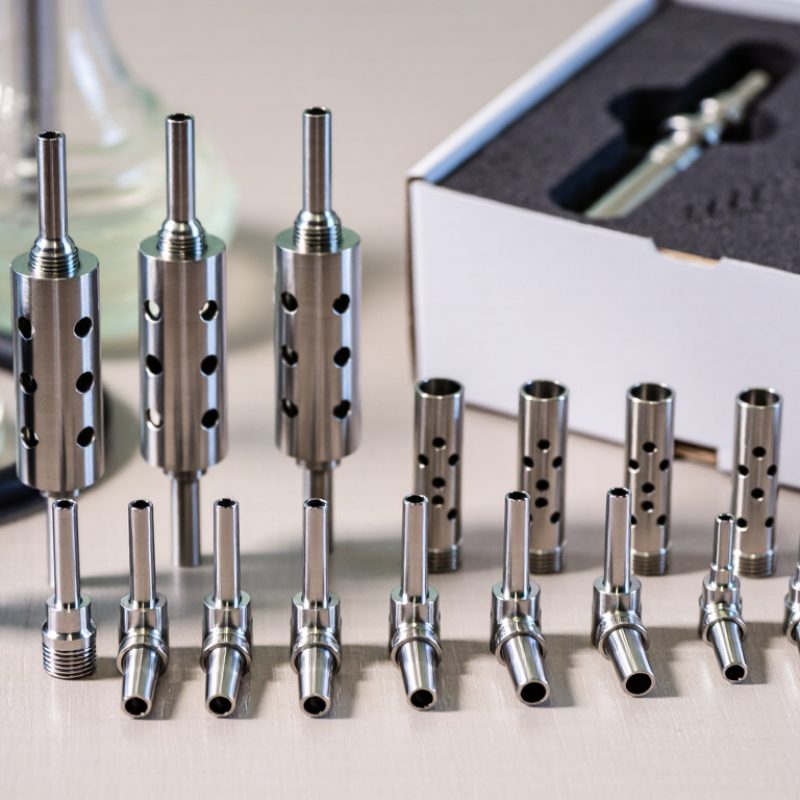
Table of Contents [Hide]
Understanding How Hookah Diffusers Work
A hookah diffuser sits at the submerged end of the stem. Its small openings divide rising air into finer bubbles. This can soften bubbling sounds and make a draw feel more even. The effect depends on water depth, hose setup, and the diffuser’s fit. It does not make smoke safer or remove every unwanted substance. Small bubbles matter, but they are only part of the experience.
Tips: For bulk buying, check stem diameter and insertion depth before comparing prices. Request a sample, then test it in the same base and water level your customers are likely to use. Listen for rattling, check that holes are clear, and note how easily the piece can be cleaned. A low unit price is less useful if sizing varies between batches.
Material and construction affect durability. Smooth edges help prevent scratches inside the stem, while sturdy joints reduce the chance of a loose fit. Ask suppliers about material specifications and batch consistency, and inspect incoming stock for blocked openings or rough seams. One detail is easy to overlook: a diffuser that works well in one setup may feel restrictive in another. Check airflow across several compatible stems before placing a large order.
How to Choose the Best Hookah Diffuser for Bulk Buying - Understanding How Hookah Diffusers Work
| Diffuser Type | How It Works | Typical User Benefit | Bulk-Buying Checks | Best Fit |
|---|---|---|---|---|
| Removable multi-hole diffuser | Small openings divide the airflow into more, smaller bubbles as air passes through the submerged end of the downstem. | Often produces a softer bubbling sound and can make the draw feel smoother. The effect depends on the diffuser design and water level. | Check the attachment method, opening size, material, and compatibility with the intended downstem diameter. | Buyers who need a replaceable accessory compatible with multiple compatible hookah setups. |
| Slotted or elongated-opening diffuser | Air exits through slots or longer openings rather than a pattern of separate small holes. | Provides a different airflow and bubbling profile; actual draw resistance varies with the total open area. | Inspect slot edges for burrs, confirm consistent dimensions, and test draw resistance with the intended setup. | Buyers comparing airflow feel and ease of cleaning across product designs. |
| Fixed, built-in diffuser | The diffuser is integrated into the downstem, so air is dispersed through its built-in openings. | There is no separate diffuser piece to attach or misplace, but the diffuser cannot be swapped independently. | Verify the full downstem length, stem fit, opening pattern, and replacement availability before ordering. | Buyers sourcing complete hookah components rather than add-on accessories. |
| Adjustable or removable-position diffuser | The diffuser can be moved or removed to change how air exits the downstem; available adjustment depends on the design. | Allows users to compare a diffused and less-diffused bubbling experience when the product supports both configurations. | Check that moving parts fit securely, remain easy to clean, and do not loosen during normal use. | Buyers seeking a configurable accessory for different user preferences. |
| Universal-fit claims | “Universal” usually refers to a stated range of compatible stem or downstem sizes, not a guarantee that every hookah will fit. | Can simplify purchasing when the actual dimensions match, but fit should be confirmed before use. | Request measured inner and outer diameters, attachment details, and a sample fit test. Do not rely on the label alone. | Buyers serving a range of setups who can verify compatibility measurements. |
| Material and finish | The material forms the diffuser body and determines its physical properties, cleanability, and resistance to wear. | Smooth, intact surfaces are generally easier to inspect and clean than rough or damaged surfaces. | Confirm the declared material, inspect for cracks or sharp edges, and check that finishes do not obstruct the openings. | All bulk orders; material and workmanship should be checked on samples and production batches. |
| Opening pattern and draw | Opening size, number, and total open area affect how air is dispersed and can influence draw resistance. | More openings do not automatically mean a better draw; performance depends on the complete design and setup. | Compare samples using the same water level and setup, and check that openings are clear and consistent. | Buyers choosing between designs based on repeatable performance rather than appearance alone. |
| Cleaning and maintenance | Water and residue can collect around small openings, so the diffuser needs to be cleaned along with the downstem. | A design that can be rinsed and inspected easily may be more practical for regular use. | Check whether the openings can be reached with routine cleaning tools and whether parts can be removed without damage. | Retailers and operators looking to reduce maintenance difficulty for end users. |
| Sample testing and quality control | Fit, airflow, and finish are best evaluated on the actual product and intended hookah configuration. | Pre-order testing helps identify compatibility or consistency issues before a large order is placed. | Set inspection criteria for dimensions, attachment security, clear openings, finish, and batch-to-sample consistency. | Any buyer placing a bulk order, especially when products must fit existing downstems. |
Buying note: A diffuser changes how air exits the downstem and can alter bubbling sound and draw feel. It does not make hookah smoke safe or remove all harmful substances. Confirm dimensions and test a sample with the intended setup before ordering in bulk.

© Copyright - Pro Tool & Supply - Site by SVM E-Marketing Solutions - Sitemap
- Privacy policy