- Products
- Air Compressors & Air Tools
- Climate Control
- Compaction Equipment
- Concrete Cutting Tools & Equipment
- Concrete and Masonry
- Demolition & Excavation
- Electrical & Mechanical
- Fasteners and Anchoring Adhesives
- Floor Protection
- Generators and Welders
- Hand Tools
- Heaters
- Janitorial and Office Supplies
- Jobsite Protection
- Ladders & Storage
- Lighting & Lighting Accessories
- Man Lifts
- Material Handling Equipment
- Power Tools
- Pressure Washers & Pumps
- Safety Gear
- Safety Products
- Saws
- Surface Preparation
- SEASONAL PRODUCTS
- Rentals
- Air Compressor and Air Tool Rentals
- Climate Control Rental
- Compaction Rentals
- Concrete Equipment Rentals
- Demolition & Excavation Equipment Rentals
- Concrete Floor Grinder Rentals
- General Construction Equipment Rentals
- Generator Rentals and Welder Rentals
- Heater Rentals
- Light Tower Rentals
- Man Lift Rentals in Massachusetts and Rhode Island
- Material Handling Equipment Rentals
- Pressure Washer & Pump Rentals
- Saw Rentals in New England
- SEASONAL PRODUCTS
- Products
- Air Compressors & Air Tools
- Climate Control
- Compaction Equipment
- Concrete Cutting Tools & Equipment
- Demolition & Excavation
- Electrical & Mechanical
- Floor Protection
- Generators and Welders
- Construction Heaters
- Construction Ladders, Staging, & Storage
- Construction Lighting
- Man Lifts
- Material Handling Equipment
- Industrial Janitorial and Office Supplies
- Pressure Washers & Pumps
- Construction Safety Products
- Construction Safety Gear
- Surface Preparation
- Building Protection
- Diesel Accessories
- Zero Emissions
- Rentals
- Air Compressor and Air Tool Rentals
- Climate Control Rental
- Compaction Rentals
- Concrete Equipment Rental
- Demolition & Excavation Equipment Rental
- General Construction Equipment Rental
- Generator Rentals and Welder Rentals
- Construction Heaters Rental
- Light Tower Rentals
- Man Lift Rentals
- Material Handling Equipment Rental
- Pressure Washer & Pump Rentals
- Saw Rentals in New England
- Concrete Floor Grinder Rentals
- Zero Emissions Rentals
- Repairs & Used
- Parts
- Blog
- Services
- Resources
- About Us
- Contact Us
Sales & Rental of Construction | Industrial Equipment & Supplies


How to Choose the Best Electric Block Machine in 2026?
Choosing the best Electric Block Machine in 2026 starts with the products you plan to make, not the largest capacity figure on a brochure. UN DESA’s World Urbanization Prospects: The 2018 Revision projects that 68% of the world’s population will live in urban areas by 2050. That long-term shift supports demand for construction, but it does not guarantee orders for any individual producer. Local building practices, transport costs, and seasonal demand still matter. There is no perfect machine.
Environmental performance also deserves attention. The Global Cement and Concrete Association reports that cement production accounts for roughly 7% of global CO₂ emissions. A block machine cannot fix the footprint of a cement mix, but efficient motors, sensible production planning, and reduced rejected blocks can help limit avoidable waste. Numbers need context. Reported output often assumes ideal materials, skilled operators, and uninterrupted production. Actual results can differ.
Compare machines using the same practical checklist: verified blocks per hour, compatible mold sizes, vibration and compaction quality, power use, changeover time, and access to spare parts. Ask suppliers for test results using your intended mix, then inspect sample blocks for dimensions, edges, and consistency. A low purchase price can look attractive until a worn mold or delayed component stops production. The right choice balances output with service support, operating costs, and the products your customers actually need. Some estimates will remain uncertain; record your assumptions before committing.
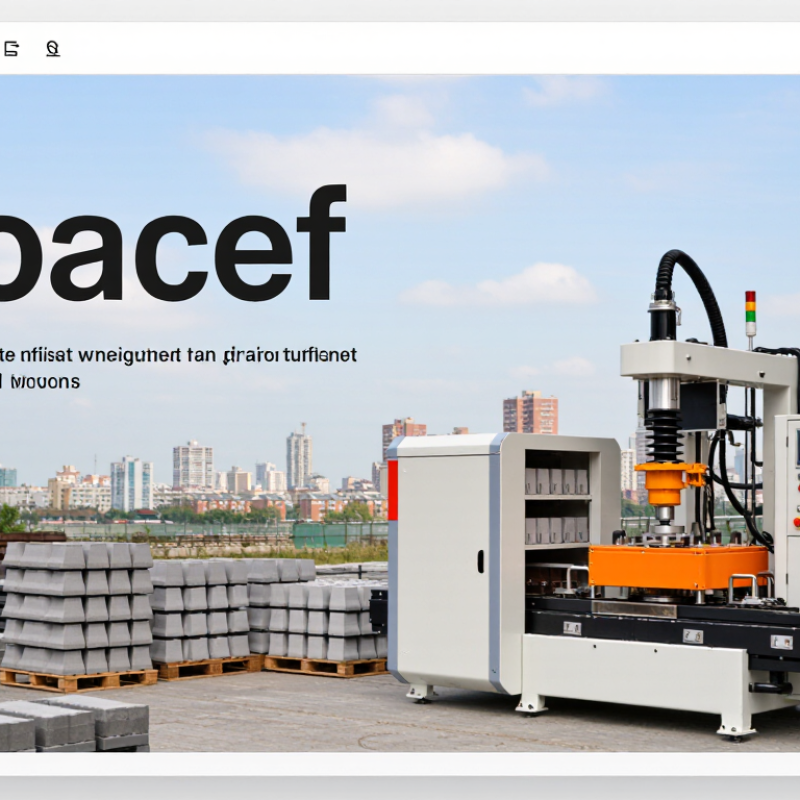
Table of Contents [Hide]
Map demand to rated output: compare blocks per hour, mold cavities, and shift yield
How to Choose the Best Electric Block Machine in 2026?
Match rated output to actual orders, not an optimistic brochure figure. The U.S. Census Bureau reported construction spending rose 7.0% in 2023, while Dodge Construction Network’s 2024 Outlook forecast a 7% rise in construction starts. Both figures signal activity, not guaranteed block sales. Check local project schedules and block sizes before choosing capacity.
Convert daily demand into a shift target. For example, an eight-cavity mold running a 12-second cycle has a theoretical output of 2,400 blocks per hour. At 65% effective production, that becomes about 1,560 saleable blocks per hour. The 65% is an illustrative planning assumption, not an industry standard. Allow for feeding, curing logistics, mold changes, rejected units, and operator breaks. Small stoppages add up.
Compare machines using the same mold, block type, and shift length. Ask suppliers for measured output records, including changeovers and rejects, then run a trial with your aggregate mix. Real shifts vary. A high cavity count may raise output, but only if the mixer, pallet flow, and curing area keep pace. The spreadsheet can lie. I would leave a little capacity uncommitted; demand forecasts and production days rarely behave perfectly.

© Copyright - Pro Tool & Supply - Site by SVM E-Marketing Solutions - Sitemap
- Privacy policy