- Products
- Air Compressors & Air Tools
- Climate Control
- Compaction Equipment
- Concrete Cutting Tools & Equipment
- Concrete and Masonry
- Demolition & Excavation
- Electrical & Mechanical
- Fasteners and Anchoring Adhesives
- Floor Protection
- Generators and Welders
- Hand Tools
- Heaters
- Janitorial and Office Supplies
- Jobsite Protection
- Ladders & Storage
- Lighting & Lighting Accessories
- Man Lifts
- Material Handling Equipment
- Power Tools
- Pressure Washers & Pumps
- Safety Gear
- Safety Products
- Saws
- Surface Preparation
- SEASONAL PRODUCTS
- Rentals
- Air Compressor and Air Tool Rentals
- Climate Control Rental
- Compaction Rentals
- Concrete Equipment Rentals
- Demolition & Excavation Equipment Rentals
- Concrete Floor Grinder Rentals
- General Construction Equipment Rentals
- Generator Rentals and Welder Rentals
- Heater Rentals
- Light Tower Rentals
- Man Lift Rentals in Massachusetts and Rhode Island
- Material Handling Equipment Rentals
- Pressure Washer & Pump Rentals
- Saw Rentals in New England
- SEASONAL PRODUCTS
- Products
- Air Compressors & Air Tools
- Climate Control
- Compaction Equipment
- Concrete Cutting Tools & Equipment
- Demolition & Excavation
- Electrical & Mechanical
- Floor Protection
- Generators and Welders
- Construction Heaters
- Construction Ladders, Staging, & Storage
- Construction Lighting
- Man Lifts
- Material Handling Equipment
- Industrial Janitorial and Office Supplies
- Pressure Washers & Pumps
- Construction Safety Products
- Construction Safety Gear
- Surface Preparation
- Building Protection
- Diesel Accessories
- Zero Emissions
- Rentals
- Air Compressor and Air Tool Rentals
- Climate Control Rental
- Compaction Rentals
- Concrete Equipment Rental
- Demolition & Excavation Equipment Rental
- General Construction Equipment Rental
- Generator Rentals and Welder Rentals
- Construction Heaters Rental
- Light Tower Rentals
- Man Lift Rentals
- Material Handling Equipment Rental
- Pressure Washer & Pump Rentals
- Saw Rentals in New England
- Concrete Floor Grinder Rentals
- Zero Emissions Rentals
- Repairs & Used
- Parts
- Blog
- Services
- Resources
- About Us
- Contact Us
Sales & Rental of Construction | Industrial Equipment & Supplies


How to Choose the Best Custom Sewer Jetter in 2026
Choosing a Custom Sewer Jetter in 2026 starts with the work it must perform. A unit for routine residential drains may not suit long municipal lines or heavy commercial use. Pipe diameter, access points, typical blockages, and daily operating hours all affect the right configuration. Small details matter. A hose that reaches the cleanout, for example, can save time when a truck cannot park close to the access point.
Compare pressure and water flow together, not as isolated specifications. The right balance helps clear grease, roots, and sediment without exceeding the limits of the pipe or equipment. Check nozzle options, hose length, pump capacity, power source, and available service support. Ask manufacturers how their stated performance was tested. A glossy specification sheet is useful, but it cannot tell you everything about real job conditions. No setup is universal.
Consider ownership costs as carefully as purchase price. Look at routine maintenance, replacement parts, warranty terms, operator controls, and whether the system fits your vehicle or worksite. Ask experienced operators about setup time, hose handling, and access to repairs. Their practical observations may reveal issues a brochure misses. Still, one contractor’s ideal configuration may be excessive for another’s workload. Be willing to revise your assumptions after comparing actual jobs with the quoted specifications. This guide explains how to assess those factors and select a Custom Sewer Jetter suited to your work in 2026.
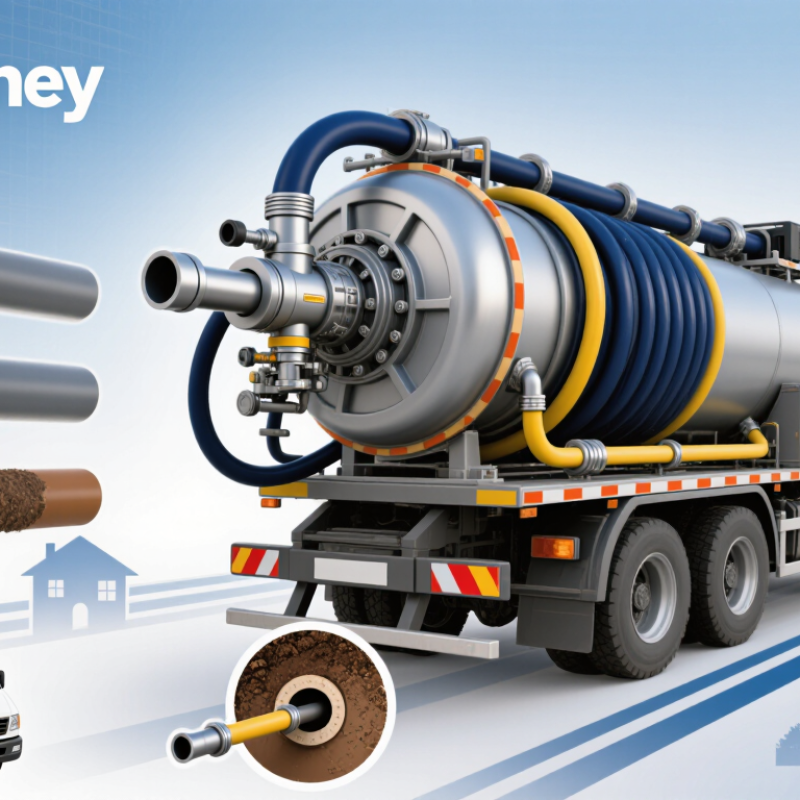
Table of Contents [Hide]
Understanding Custom Sewer Jetters and How They Work
Understanding a custom sewer jetter starts with its water system. A pump sends water through a reinforced hose to a specialized nozzle. Forward jets can break through soft obstructions; rear-facing jets help propel the hose and flush loosened material back. The balance matters. A nozzle that suits a long, straight line may work poorly in a narrow pipe with tight bends.
Customization means matching pump flow, pressure, hose length, nozzle design, and vehicle access to the work. Pressure alone is not a measure of cleaning power. Flow helps carry debris away, while excessive force can threaten damaged or fragile pipe. Operators should inspect the line where possible, confirm equipment ratings, and adjust the setup to the pipe material and blockage. Small details count: a cramped access point or a heavy hose can change the whole job.
The scale of infrastructure needs gives this work context. The U.S. Environmental Protection Agency’s 2022 Clean Watersheds Needs Survey estimated $630.1 billion in wastewater infrastructure needs over 20 years. That figure covers broad system needs, not sewer jetters specifically. Still, it underlines why maintenance tools must be selected carefully.
In 2026, compare custom configurations by the pipe conditions they can handle, not just maximum pressure. And be candid about limits. No setup fits every line.

© Copyright - Pro Tool & Supply - Site by SVM E-Marketing Solutions - Sitemap
- Privacy policy