- Products
- Air Compressors & Air Tools
- Climate Control
- Compaction Equipment
- Concrete Cutting Tools & Equipment
- Concrete and Masonry
- Demolition & Excavation
- Electrical & Mechanical
- Fasteners and Anchoring Adhesives
- Floor Protection
- Generators and Welders
- Hand Tools
- Heaters
- Janitorial and Office Supplies
- Jobsite Protection
- Ladders & Storage
- Lighting & Lighting Accessories
- Man Lifts
- Material Handling Equipment
- Power Tools
- Pressure Washers & Pumps
- Safety Gear
- Safety Products
- Saws
- Surface Preparation
- SEASONAL PRODUCTS
- Rentals
- Air Compressor and Air Tool Rentals
- Climate Control Rental
- Compaction Rentals
- Concrete Equipment Rentals
- Demolition & Excavation Equipment Rentals
- Concrete Floor Grinder Rentals
- General Construction Equipment Rentals
- Generator Rentals and Welder Rentals
- Heater Rentals
- Light Tower Rentals
- Man Lift Rentals in Massachusetts and Rhode Island
- Material Handling Equipment Rentals
- Pressure Washer & Pump Rentals
- Saw Rentals in New England
- SEASONAL PRODUCTS
- Products
- Air Compressors & Air Tools
- Climate Control
- Compaction Equipment
- Concrete Cutting Tools & Equipment
- Demolition & Excavation
- Electrical & Mechanical
- Floor Protection
- Generators and Welders
- Construction Heaters
- Construction Ladders, Staging, & Storage
- Construction Lighting
- Man Lifts
- Material Handling Equipment
- Industrial Janitorial and Office Supplies
- Pressure Washers & Pumps
- Construction Safety Products
- Construction Safety Gear
- Surface Preparation
- Building Protection
- Diesel Accessories
- Zero Emissions
- Rentals
- Air Compressor and Air Tool Rentals
- Climate Control Rental
- Compaction Rentals
- Concrete Equipment Rental
- Demolition & Excavation Equipment Rental
- General Construction Equipment Rental
- Generator Rentals and Welder Rentals
- Construction Heaters Rental
- Light Tower Rentals
- Man Lift Rentals
- Material Handling Equipment Rental
- Pressure Washer & Pump Rentals
- Saw Rentals in New England
- Concrete Floor Grinder Rentals
- Zero Emissions Rentals
- Repairs & Used
- Parts
- Blog
- Services
- Resources
- About Us
- Contact Us
Sales & Rental of Construction | Industrial Equipment & Supplies


What Is the Best Cement Unloader in 2026?
Choosing the best Cement Unloader in 2026 is less about finding one universally superior machine and more about matching equipment to the terminal. Vessel size, cement type, berth layout, and required unloading rate all shape the decision. A system that performs well at a large coastal port may be oversized or impractical at a smaller facility.
The scale of the industry makes efficiency consequential. The U.S. Geological Survey’s Mineral Commodity Summaries 2024 estimates global cement production at about 4.1 billion tonnes in 2023. The International Energy Agency’s 2023 cement-sector report notes that cement production contributes roughly 7% of global CO2 emissions. These figures do not measure unloader performance directly, but they underline why operators assess energy use, dust control, and material losses alongside tonnes per hour. Small details matter: a poorly sealed transfer point can leave powder on the berth, while a mismatched conveying system can limit the whole unloading line.
There is no single winner. A fair comparison should examine rated and verified throughput, power consumption, dust extraction, maintenance access, and compatibility with existing conveyors. Ask suppliers how performance changes with the actual cement and vessel conditions, not just ideal test assumptions. This guide compares common unloader types and practical selection criteria, while recognizing that published specifications do not always predict real-world results perfectly. That uncertainty deserves attention.
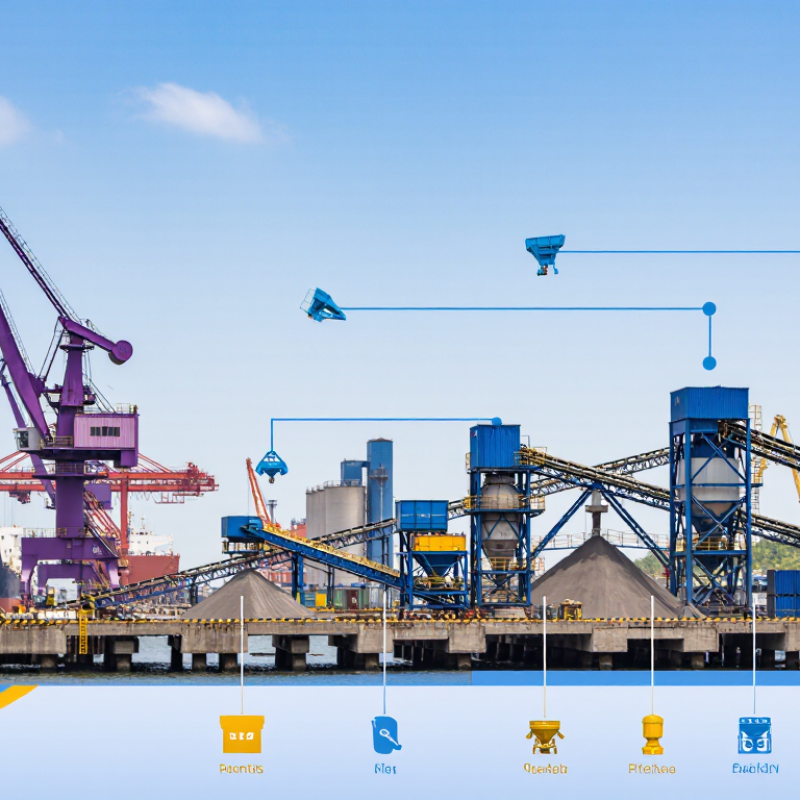
Table of Contents [Hide]
What a Cement Unloader Does and Where It Is Used
A cement unloader transfers bulk cement from a delivery truck or vessel into storage, usually a sealed silo. At road-based sites, compressed air moves the powder through a flexible hose and pipeline. Larger terminals may use pneumatic or mechanical systems, depending on site layout and cargo volume. At the silo inlet, filters release displaced air while capturing fine dust. Dust matters.
Cement unloaders are used at concrete batching plants, precast yards, construction projects, ports, and distribution depots. They keep cement moving from delivery vehicles into storage, ready for production. A practical setup needs compatible connections, adequate conveying capacity, and a route with manageable bends. Operators should check hoses, pressure readings, filter condition, and silo levels before transfer. Small leaks can waste material and create a difficult cleanup.
The best unloader is not simply the fastest. It should suit delivery volume, transfer distance, site access, and available maintenance skills. A compact site may need portable equipment, while a busy terminal may require a dedicated system. That sounds simple. In practice, moisture can cause cement to bridge in a silo or clog a line, so sealed handling and close monitoring matter. Site conditions vary, and even a well-matched system needs careful operation.

© Copyright - Pro Tool & Supply - Site by SVM E-Marketing Solutions - Sitemap
- Privacy policy