- Products
- Air Compressors & Air Tools
- Climate Control
- Compaction Equipment
- Concrete Cutting Tools & Equipment
- Concrete and Masonry
- Demolition & Excavation
- Electrical & Mechanical
- Fasteners and Anchoring Adhesives
- Floor Protection
- Generators and Welders
- Hand Tools
- Heaters
- Janitorial and Office Supplies
- Jobsite Protection
- Ladders & Storage
- Lighting & Lighting Accessories
- Man Lifts
- Material Handling Equipment
- Power Tools
- Pressure Washers & Pumps
- Safety Gear
- Safety Products
- Saws
- Surface Preparation
- SEASONAL PRODUCTS
- Rentals
- Air Compressor and Air Tool Rentals
- Climate Control Rental
- Compaction Rentals
- Concrete Equipment Rentals
- Demolition & Excavation Equipment Rentals
- Concrete Floor Grinder Rentals
- General Construction Equipment Rentals
- Generator Rentals and Welder Rentals
- Heater Rentals
- Light Tower Rentals
- Man Lift Rentals in Massachusetts and Rhode Island
- Material Handling Equipment Rentals
- Pressure Washer & Pump Rentals
- Saw Rentals in New England
- SEASONAL PRODUCTS
- Products
- Air Compressors & Air Tools
- Climate Control
- Compaction Equipment
- Concrete Cutting Tools & Equipment
- Demolition & Excavation
- Electrical & Mechanical
- Floor Protection
- Generators and Welders
- Construction Heaters
- Construction Ladders, Staging, & Storage
- Construction Lighting
- Man Lifts
- Material Handling Equipment
- Industrial Janitorial and Office Supplies
- Pressure Washers & Pumps
- Construction Safety Products
- Construction Safety Gear
- Surface Preparation
- Building Protection
- Diesel Accessories
- Zero Emissions
- Rentals
- Air Compressor and Air Tool Rentals
- Climate Control Rental
- Compaction Rentals
- Concrete Equipment Rental
- Demolition & Excavation Equipment Rental
- General Construction Equipment Rental
- Generator Rentals and Welder Rentals
- Construction Heaters Rental
- Light Tower Rentals
- Man Lift Rentals
- Material Handling Equipment Rental
- Pressure Washer & Pump Rentals
- Saw Rentals in New England
- Concrete Floor Grinder Rentals
- Zero Emissions Rentals
- Repairs & Used
- Parts
- Blog
- Services
- Resources
- About Us
- Contact Us
Sales & Rental of Construction | Industrial Equipment & Supplies


How to Choose the Best CCO Plate in 2026?
Choosing the best CCO plate in 2026 requires more than comparing prices or reading polished product descriptions. The right choice depends on the plate’s intended use, operating environment, material composition, dimensions, and manufacturing quality. A reliable evaluation begins with clear specifications, not attractive claims.
This guide examines the practical details that influence performance. We will consider thickness tolerance, surface condition, hardness, thermal behavior, corrosion resistance, and dimensional stability. Supplier experience also matters. Look for traceable material records, consistent inspection methods, and test data from recognized laboratories. A dependable manufacturer should explain how each CCO plate is produced, measured, and verified.
Real operating conditions can expose weak assumptions. A plate used near heat, moisture, vibration, or repeated pressure may need different properties than one used in a controlled workshop. Small surface marks can become serious problems later. Cost matters, but replacement delays and unstable performance can cost more. This point is easy to overlook. I have also seen specifications treated as permanent, although production methods and industry requirements change quickly. That deserves careful review in 2026.
The best selection process is therefore evidence-based and application-focused. Compare several products using the same criteria. Ask direct questions about quality control, delivery consistency, customization, and after-sales support. No single CCO plate is ideal for every situation. A thoughtful decision balances technical performance, verified reliability, service life, and realistic budget limits.
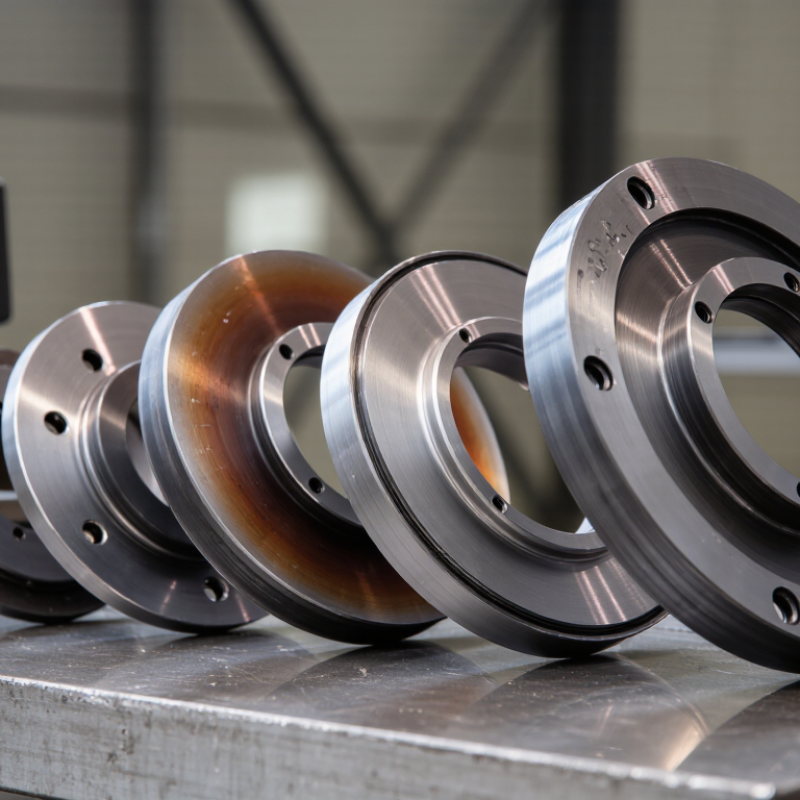
Table of Contents [Hide]
What Is a CCO Plate and What Are Its Main Applications?
A CCO plate commonly refers to a copper-clad overlay plate. It combines a conductive copper surface with a stronger supporting metal. The copper layer carries current and transfers heat. The backing layer provides stiffness, wear resistance, or lower material cost. Terminology can vary between suppliers, so confirm the construction before comparing products.
Its main applications include electrical busbars, grounding components, heat-transfer assemblies, and conductive structural parts. Some designs also support industrial equipment exposed to friction, vibration, or repeated thermal changes. In a real installation, thickness matters. So do bonding quality, surface flatness, thermal expansion, and edge finish. A plate may look excellent under bright warehouse lighting, yet perform poorly after cycling between heat and cold.
For choosing the best CCO plate in 2026, request test data for conductivity, bond strength, hardness, and corrosion resistance. Ask how samples were tested. Independent laboratory reports are more useful than broad performance claims. Check machining tolerances and available cutting methods as well. Poorly finished edges can create assembly problems. I would also compare lifecycle cost, not only purchase price. A cheaper plate may require more frequent replacement. That assumption still needs evidence. On-site trials remain valuable, especially when the plate will carry high current or face continuous heat.

© Copyright - Pro Tool & Supply - Site by SVM E-Marketing Solutions - Sitemap
- Privacy policy