- Products
- Air Compressors & Air Tools
- Climate Control
- Compaction Equipment
- Concrete Cutting Tools & Equipment
- Concrete and Masonry
- Demolition & Excavation
- Electrical & Mechanical
- Fasteners and Anchoring Adhesives
- Floor Protection
- Generators and Welders
- Hand Tools
- Heaters
- Janitorial and Office Supplies
- Jobsite Protection
- Ladders & Storage
- Lighting & Lighting Accessories
- Man Lifts
- Material Handling Equipment
- Power Tools
- Pressure Washers & Pumps
- Safety Gear
- Safety Products
- Saws
- Surface Preparation
- SEASONAL PRODUCTS
- Rentals
- Air Compressor and Air Tool Rentals
- Climate Control Rental
- Compaction Rentals
- Concrete Equipment Rentals
- Demolition & Excavation Equipment Rentals
- Concrete Floor Grinder Rentals
- General Construction Equipment Rentals
- Generator Rentals and Welder Rentals
- Heater Rentals
- Light Tower Rentals
- Man Lift Rentals in Massachusetts and Rhode Island
- Material Handling Equipment Rentals
- Pressure Washer & Pump Rentals
- Saw Rentals in New England
- SEASONAL PRODUCTS
- Products
- Air Compressors & Air Tools
- Climate Control
- Compaction Equipment
- Concrete Cutting Tools & Equipment
- Demolition & Excavation
- Electrical & Mechanical
- Floor Protection
- Generators and Welders
- Construction Heaters
- Construction Ladders, Staging, & Storage
- Construction Lighting
- Man Lifts
- Material Handling Equipment
- Industrial Janitorial and Office Supplies
- Pressure Washers & Pumps
- Construction Safety Products
- Construction Safety Gear
- Surface Preparation
- Building Protection
- Diesel Accessories
- Zero Emissions
- Rentals
- Air Compressor and Air Tool Rentals
- Climate Control Rental
- Compaction Rentals
- Concrete Equipment Rental
- Demolition & Excavation Equipment Rental
- General Construction Equipment Rental
- Generator Rentals and Welder Rentals
- Construction Heaters Rental
- Light Tower Rentals
- Man Lift Rentals
- Material Handling Equipment Rental
- Pressure Washer & Pump Rentals
- Saw Rentals in New England
- Concrete Floor Grinder Rentals
- Zero Emissions Rentals
- Repairs & Used
- Parts
- Blog
- Services
- Resources
- About Us
- Contact Us
Sales & Rental of Construction | Industrial Equipment & Supplies


How to Choose the Best Alkaline Hydrogen Generator
Choosing an Alkaline Hydrogen Generator starts with a practical question: what job must it perform? Industrial systems produce hydrogen through water electrolysis using an alkaline electrolyte. Their performance depends on required output, hydrogen purity, operating pressure, and available utilities. A compact laboratory unit and a continuous-production plant are not interchangeable.
The International Energy Agency’s Global Hydrogen Review 2024 reports that global hydrogen demand reached almost 100 million tonnes in 2023. Yet low-emissions hydrogen remained a small share of production. That gap makes efficiency and electricity sourcing important selection criteria, not just marketing claims. Ask suppliers for measured energy consumption per kilogram of hydrogen, documented output under stated conditions, and independent test results. Check whether figures describe steady operation or ideal laboratory performance. Small print matters.
Safety deserves equal attention. Review ventilation needs, leak detection, pressure controls, shutdown procedures, and maintenance access. Confirm the supplier explains electrolyte handling and provides clear operating documentation. Then compare service availability, component life, warranty terms, and total ownership costs. A low purchase price can hide costly replacement parts or demanding maintenance. It happens.
The best choice depends on your application, site conditions, and tolerance for operational complexity. IEA statistics describe the broader hydrogen market; they do not prove that a particular generator will suit your facility. Treat them as context, not a buying recommendation. Before committing, request a written specification and have a qualified engineer assess the installation. Even a well-designed unit may disappoint when its rated capacity does not match real-world demand.
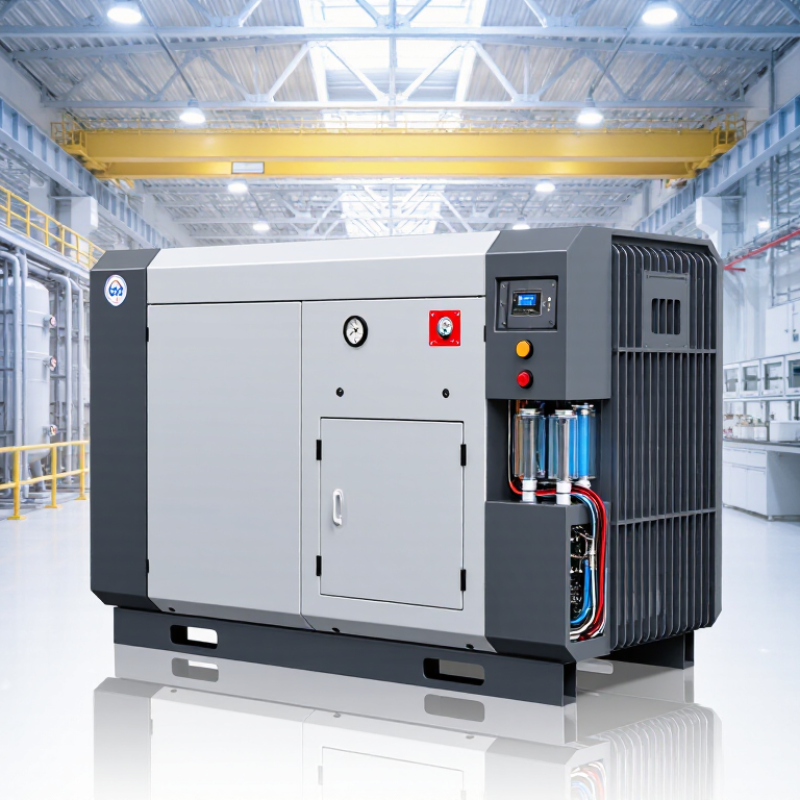
Table of Contents [Hide]
Understanding How Alkaline Hydrogen Generators Work
An alkaline hydrogen generator uses electricity to split water in an alkaline electrolyte, commonly a solution containing potassium hydroxide. At the cathode, water molecules form hydrogen gas; at the anode, oxygen forms. A separator keeps the gases apart while allowing ions to move through the cell. That detail matters. Without effective separation, gas purity and safe operation may be affected.
In a water-producing unit, generated hydrogen may dissolve into the output water rather than leave as a separate gas stream. These are not identical uses, so check what the device actually delivers. Look for clear specifications on hydrogen output, water requirements, and operating limits. A flow-rate display alone does not tell the whole story. I would also check whether the manufacturer explains cleaning and replacement intervals, since mineral deposits can build up on electrodes. Small details count. Avoid treating hydrogen output as proof of a health benefit; evidence and results vary. A cautious buyer compares measured performance with stated claims, and remembers that no device is maintenance-free.

© Copyright - Pro Tool & Supply - Site by SVM E-Marketing Solutions - Sitemap
- Privacy policy