- Products
- Air Compressors & Air Tools
- Climate Control
- Compaction Equipment
- Concrete Cutting Tools & Equipment
- Concrete and Masonry
- Demolition & Excavation
- Electrical & Mechanical
- Fasteners and Anchoring Adhesives
- Floor Protection
- Generators and Welders
- Hand Tools
- Heaters
- Janitorial and Office Supplies
- Jobsite Protection
- Ladders & Storage
- Lighting & Lighting Accessories
- Man Lifts
- Material Handling Equipment
- Power Tools
- Pressure Washers & Pumps
- Safety Gear
- Safety Products
- Saws
- Surface Preparation
- SEASONAL PRODUCTS
- Rentals
- Air Compressor and Air Tool Rentals
- Climate Control Rental
- Compaction Rentals
- Concrete Equipment Rentals
- Demolition & Excavation Equipment Rentals
- Concrete Floor Grinder Rentals
- General Construction Equipment Rentals
- Generator Rentals and Welder Rentals
- Heater Rentals
- Light Tower Rentals
- Man Lift Rentals in Massachusetts and Rhode Island
- Material Handling Equipment Rentals
- Pressure Washer & Pump Rentals
- Saw Rentals in New England
- SEASONAL PRODUCTS
- Products
- Air Compressors & Air Tools
- Climate Control
- Compaction Equipment
- Concrete Cutting Tools & Equipment
- Demolition & Excavation
- Electrical & Mechanical
- Floor Protection
- Generators and Welders
- Construction Heaters
- Construction Ladders, Staging, & Storage
- Construction Lighting
- Man Lifts
- Material Handling Equipment
- Industrial Janitorial and Office Supplies
- Pressure Washers & Pumps
- Construction Safety Products
- Construction Safety Gear
- Surface Preparation
- Building Protection
- Diesel Accessories
- Zero Emissions
- Rentals
- Air Compressor and Air Tool Rentals
- Climate Control Rental
- Compaction Rentals
- Concrete Equipment Rental
- Demolition & Excavation Equipment Rental
- General Construction Equipment Rental
- Generator Rentals and Welder Rentals
- Construction Heaters Rental
- Light Tower Rentals
- Man Lift Rentals
- Material Handling Equipment Rental
- Pressure Washer & Pump Rentals
- Saw Rentals in New England
- Concrete Floor Grinder Rentals
- Zero Emissions Rentals
- Repairs & Used
- Parts
- Blog
- Services
- Resources
- About Us
- Contact Us
Sales & Rental of Construction | Industrial Equipment & Supplies


How to Choose the Right Black Rubber Conveyor Belt for Your Needs?
Choosing the right Black Rubber Conveyor Belt is crucial for various industries. The ideal belt must match specific requirements, such as load capacity and environmental conditions. Many factors influence this selection, including the belt's durability and flexibility.
Understanding your application's unique demands can help narrow your options. For instance, consider the materials being transported and the operating environment. Will the belt face extreme temperatures or abrasive materials? These questions guide your choice effectively.
Moreover, not every supplier offers the same quality. Researching manufacturers and seeking expert advice can lead to better outcomes. Each selection process carries some uncertainty, so weigh options carefully, focusing on reliability and performance.
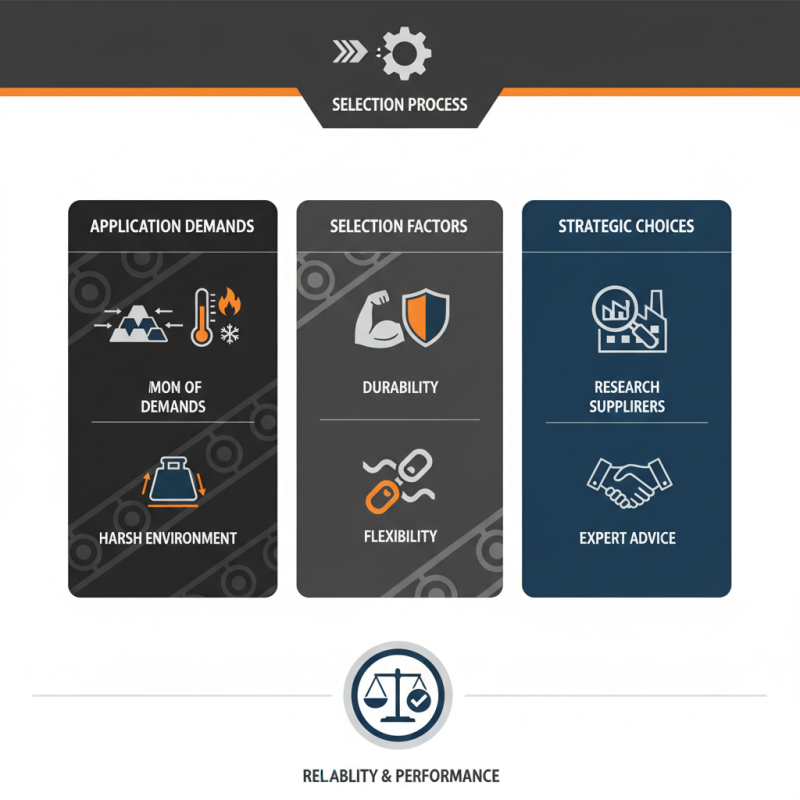
Table of Contents [Hide]
Understanding the Different Types of Black Rubber Conveyor Belts
When selecting a black rubber conveyor belt, it’s crucial to understand the different types available in the market. Black rubber conveyor belts typically fall into two main categories: solid and fabric-reinforced. Solid belts are suitable for heavy-duty applications and offer excellent abrasion resistance. They can handle rough materials without significant wear and tear. On the other hand, fabric-reinforced belts are often lighter and more flexible, making them ideal for lighter loads and intricate applications. According to industry reports, approximately 36% of businesses prefer solid belts for industrial handling due to their robustness.
Durability and heat resistance are vital factors to consider. Many black rubber conveyor belts are designed to withstand extreme temperatures and harsh environments. For example, belts intended for mining or construction must endure high friction and resist cuts. Data from recent market analyses indicates that heat-resistant belts have become more popular, reflecting a growing demand for versatile solutions. Companies need to weigh their specific conditions against available options carefully. Not all belts excel in every environment.
Choosing the right type goes beyond just material. Experts suggest evaluating factors like load capacity and environment. Some belts perform better in wet conditions, while others may struggle. Inaccurate choices can lead to increased maintenance and operational downtime. Regular assessments are necessary to ensure the selected belt meets ongoing operational needs. A thoughtful approach increases efficiency and reduces costs, ultimately leading to smoother operations.

© Copyright - Pro Tool & Supply - Site by SVM E-Marketing Solutions - Sitemap
- Privacy policy