- Products
- Air Compressors & Air Tools
- Climate Control
- Compaction Equipment
- Concrete Cutting Tools & Equipment
- Concrete and Masonry
- Demolition & Excavation
- Electrical & Mechanical
- Fasteners and Anchoring Adhesives
- Floor Protection
- Generators and Welders
- Hand Tools
- Heaters
- Janitorial and Office Supplies
- Jobsite Protection
- Ladders & Storage
- Lighting & Lighting Accessories
- Man Lifts
- Material Handling Equipment
- Power Tools
- Pressure Washers & Pumps
- Safety Gear
- Safety Products
- Saws
- Surface Preparation
- SEASONAL PRODUCTS
- Rentals
- Air Compressor and Air Tool Rentals
- Climate Control Rental
- Compaction Rentals
- Concrete Equipment Rentals
- Demolition & Excavation Equipment Rentals
- Concrete Floor Grinder Rentals
- General Construction Equipment Rentals
- Generator Rentals and Welder Rentals
- Heater Rentals
- Light Tower Rentals
- Man Lift Rentals in Massachusetts and Rhode Island
- Material Handling Equipment Rentals
- Pressure Washer & Pump Rentals
- Saw Rentals in New England
- SEASONAL PRODUCTS
- Products
- Air Compressors & Air Tools
- Climate Control
- Compaction Equipment
- Concrete Cutting Tools & Equipment
- Demolition & Excavation
- Electrical & Mechanical
- Floor Protection
- Generators and Welders
- Construction Heaters
- Construction Ladders, Staging, & Storage
- Construction Lighting
- Man Lifts
- Material Handling Equipment
- Industrial Janitorial and Office Supplies
- Pressure Washers & Pumps
- Construction Safety Products
- Construction Safety Gear
- Surface Preparation
- Building Protection
- Diesel Accessories
- Zero Emissions
- Rentals
- Air Compressor and Air Tool Rentals
- Climate Control Rental
- Compaction Rentals
- Concrete Equipment Rental
- Demolition & Excavation Equipment Rental
- General Construction Equipment Rental
- Generator Rentals and Welder Rentals
- Construction Heaters Rental
- Light Tower Rentals
- Man Lift Rentals
- Material Handling Equipment Rental
- Pressure Washer & Pump Rentals
- Saw Rentals in New England
- Concrete Floor Grinder Rentals
- Zero Emissions Rentals
- Repairs & Used
- Parts
- Blog
- Services
- Resources
- About Us
- Contact Us
Sales & Rental of Construction | Industrial Equipment & Supplies


How to Choose Precision Engineered Counterweights for Your Needs?
When selecting Precision Engineered Counterweights, it is vital to understand your specific applications and needs. Experts in the field emphasize the importance of tailored solutions. Jacob Stewart, a veteran in counterweight design, once stated, “The right counterweight ensures stability and performance in any machine.” His insights reflect the critical role precision engineered counterweights play in various industries, from construction to manufacturing.
Precision engineered counterweights are not a one-size-fits-all solution. Each application demands unique specifications that can directly impact efficiency. The weight, dimension, and material greatly influence a machine's balance and operational safety. A poorly chosen counterweight can lead to instability and even costly failures. This is where extensive knowledge and industry experience are crucial for making informed choices.
Investing time in understanding the exact requirements is essential. Engaging with experts can clarify misconceptions and provide guidance. A thorough investigation may uncover details you had not considered. Every project deserves the right attention. While precision engineered counterweights are a technical subject, their applications are very tangible, impacting daily operations across numerous sectors.
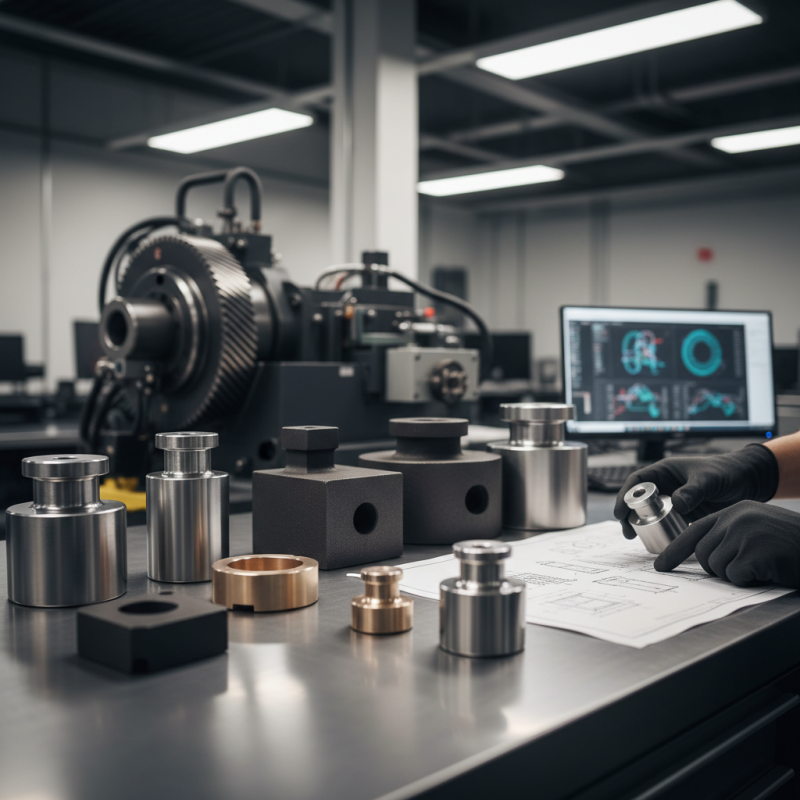
Table of Contents [Hide]
Understanding Precision Engineered Counterweights and Their Importance
Precision engineered counterweights are essential in various industries, from construction to aerospace. Understanding their importance is crucial for achieving balance and stability in machinery. These counterweights play a vital role in ensuring that equipment operates safely and efficiently. A miscalculated counterweight can lead to machinery failure or even accidents.
When selecting counterweights, consider specific dimensions and materials. The weight must match the machinery’s requirements. This precision impacts not only performance but also longevity. It’s essential to reflect on your needs carefully. Oversized or undersized weights can create complications. For example, excessive weight may cause undue strain on equipment. Conversely, inadequate weight may result in instability.
Moreover, the manufacturing process of these counterweights is critical. High-quality standards ensure durability and reliability. Always inquire about the testing protocols used. Understanding these details can guide you in selecting suitable counterweights. Reflect on the balance between cost and quality. Sometimes, the cheaper option may not provide the safety needed. Investing in the right counterweights can ultimately save time and resources.

© Copyright - Pro Tool & Supply - Site by SVM E-Marketing Solutions - Sitemap
- Privacy policy