- Products
- Air Compressors & Air Tools
- Climate Control
- Compaction Equipment
- Concrete Cutting Tools & Equipment
- Concrete and Masonry
- Demolition & Excavation
- Electrical & Mechanical
- Fasteners and Anchoring Adhesives
- Floor Protection
- Generators and Welders
- Hand Tools
- Heaters
- Janitorial and Office Supplies
- Jobsite Protection
- Ladders & Storage
- Lighting & Lighting Accessories
- Man Lifts
- Material Handling Equipment
- Power Tools
- Pressure Washers & Pumps
- Safety Gear
- Safety Products
- Saws
- Surface Preparation
- SEASONAL PRODUCTS
- Rentals
- Air Compressor and Air Tool Rentals
- Climate Control Rental
- Compaction Rentals
- Concrete Equipment Rentals
- Demolition & Excavation Equipment Rentals
- Concrete Floor Grinder Rentals
- General Construction Equipment Rentals
- Generator Rentals and Welder Rentals
- Heater Rentals
- Light Tower Rentals
- Man Lift Rentals in Massachusetts and Rhode Island
- Material Handling Equipment Rentals
- Pressure Washer & Pump Rentals
- Saw Rentals in New England
- SEASONAL PRODUCTS
- Products
- Air Compressors & Air Tools
- Climate Control
- Compaction Equipment
- Concrete Cutting Tools & Equipment
- Demolition & Excavation
- Electrical & Mechanical
- Floor Protection
- Generators and Welders
- Construction Heaters
- Construction Ladders, Staging, & Storage
- Construction Lighting
- Man Lifts
- Material Handling Equipment
- Industrial Janitorial and Office Supplies
- Pressure Washers & Pumps
- Construction Safety Products
- Construction Safety Gear
- Surface Preparation
- Building Protection
- Diesel Accessories
- Zero Emissions
- Rentals
- Air Compressor and Air Tool Rentals
- Climate Control Rental
- Compaction Rentals
- Concrete Equipment Rental
- Demolition & Excavation Equipment Rental
- General Construction Equipment Rental
- Generator Rentals and Welder Rentals
- Construction Heaters Rental
- Light Tower Rentals
- Man Lift Rentals
- Material Handling Equipment Rental
- Pressure Washer & Pump Rentals
- Saw Rentals in New England
- Concrete Floor Grinder Rentals
- Zero Emissions Rentals
- Repairs & Used
- Parts
- Blog
- Services
- Resources
- About Us
- Contact Us
Sales & Rental of Construction | Industrial Equipment & Supplies


How to Choose LED Screen Panels for Global Buyers?
Choosing Led Screen Panels for international projects demands more than comparing prices online. Buyers must connect technical specifications with the real installation environment. A bright outdoor billboard in Dubai needs different performance from an indoor retail display in Berlin. Pixel pitch, viewing distance, brightness, refresh rate, and cabinet size all influence the result. Weather also matters. An IP65 cabinet may suit rain, dust, and frequent cleaning, while an indoor model may not. During supplier evaluations, request measured data, test videos, module samples, and clear power figures. Do not rely only on attractive showroom footage. Ask how the panels perform after long operation, not just during a ten-minute demonstration. Experienced integrators also examine spare parts, receiving cards, maintenance access, and local technical support. These details can protect a project when one module fails before an important event.
Global purchasing adds another layer of responsibility. Confirm packaging strength, delivery terms, warranty coverage, installation training, and after-sales response times. Independent certifications can support confidence, but certificates should match the exact product model. Some suppliers present broad claims that deserve careful verification. That caution is practical, not negative. LED technology changes quickly, and even a well-planned choice can reveal weaknesses in daily use. Review energy consumption, spare inventory, software compatibility, and repair procedures before signing. A reliable decision balances image quality, lifecycle cost, and service capability. The cheapest offer may become expensive when brightness drops or replacement parts arrive late. For global buyers, Led Screen Panels should be judged as a complete operating system, not a box of glowing tiles.
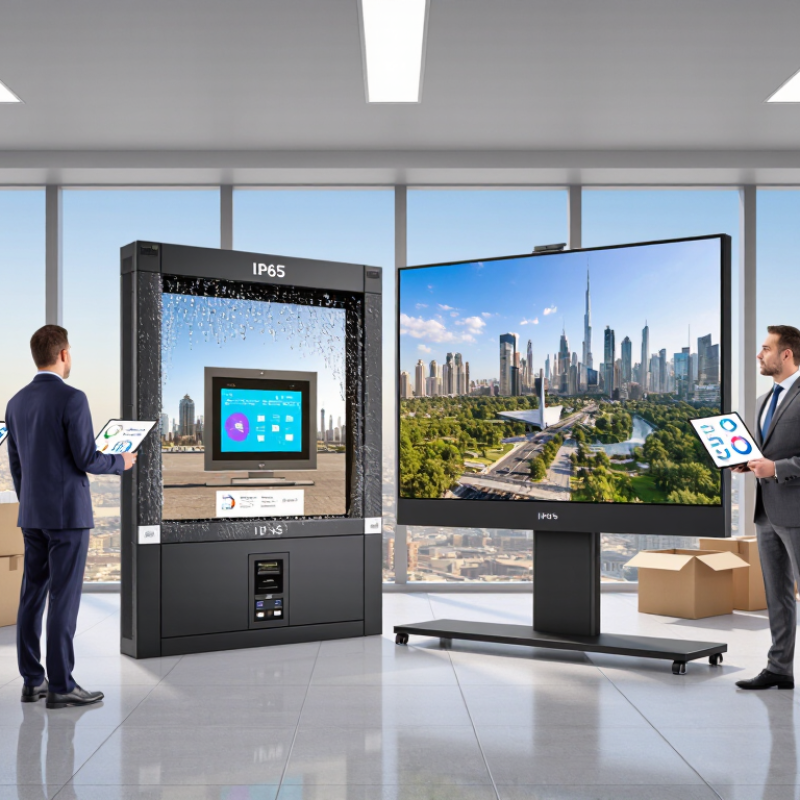
Table of Contents [Hide]
Understanding LED Screen Panel Types and Applications
How to Choose LED Screen Panels for Global Buyers?
Understanding LED Screen Panel Types and Applications
Choosing an LED screen panel starts with the viewing environment, not the pixel count. Indoor fine-pitch panels suit control rooms, retail displays, and conference spaces. Their close spacing creates smoother images at short distances. Outdoor panels need higher brightness, weather protection, and strong heat management. Direct-view LED walls work well for stadiums, transport hubs, and large advertising structures. Transparent panels fit glass façades where daylight and architectural visibility must remain important.
Application changes every technical decision. A stage screen may need wide viewing angles and fast refresh rates for cameras. A retail wall may prioritize color accuracy and quiet operation. A roadside display requires readable content under direct sunlight. For curved installations, flexible modules can follow rounded surfaces, but they usually require more careful maintenance. Bigger is not always better.
Global buyers should check cabinet dimensions, power standards, spare-part access, and local service capability. Request test data for brightness, refresh rate, contrast, and ingress protection. Ask how the panel performs after extended operation, not only during a showroom demonstration. Installation teams should also inspect mounting strength and ventilation routes. A small mismatch between the processor and panel can create visible artifacts. That matters.
Some specifications look impressive but lack practical context. A very high brightness level may waste energy indoors. An ultra-fine pixel pitch may increase cost without improving distant viewing. I would measure viewing distance twice before approving the order. Real sites are rarely perfect. Ambient light changes, walls are uneven, and maintenance access is often underestimated.

© Copyright - Pro Tool & Supply - Site by SVM E-Marketing Solutions - Sitemap
- Privacy policy