- Products
- Air Compressors & Air Tools
- Climate Control
- Compaction Equipment
- Concrete Cutting Tools & Equipment
- Concrete and Masonry
- Demolition & Excavation
- Electrical & Mechanical
- Fasteners and Anchoring Adhesives
- Floor Protection
- Generators and Welders
- Hand Tools
- Heaters
- Janitorial and Office Supplies
- Jobsite Protection
- Ladders & Storage
- Lighting & Lighting Accessories
- Man Lifts
- Material Handling Equipment
- Power Tools
- Pressure Washers & Pumps
- Safety Gear
- Safety Products
- Saws
- Surface Preparation
- SEASONAL PRODUCTS
- Rentals
- Air Compressor and Air Tool Rentals
- Climate Control Rental
- Compaction Rentals
- Concrete Equipment Rentals
- Demolition & Excavation Equipment Rentals
- Concrete Floor Grinder Rentals
- General Construction Equipment Rentals
- Generator Rentals and Welder Rentals
- Heater Rentals
- Light Tower Rentals
- Man Lift Rentals in Massachusetts and Rhode Island
- Material Handling Equipment Rentals
- Pressure Washer & Pump Rentals
- Saw Rentals in New England
- SEASONAL PRODUCTS
- Products
- Air Compressors & Air Tools
- Climate Control
- Compaction Equipment
- Concrete Cutting Tools & Equipment
- Demolition & Excavation
- Electrical & Mechanical
- Floor Protection
- Generators and Welders
- Construction Heaters
- Construction Ladders, Staging, & Storage
- Construction Lighting
- Man Lifts
- Material Handling Equipment
- Industrial Janitorial and Office Supplies
- Pressure Washers & Pumps
- Construction Safety Products
- Construction Safety Gear
- Surface Preparation
- Building Protection
- Diesel Accessories
- Zero Emissions
- Rentals
- Air Compressor and Air Tool Rentals
- Climate Control Rental
- Compaction Rentals
- Concrete Equipment Rental
- Demolition & Excavation Equipment Rental
- General Construction Equipment Rental
- Generator Rentals and Welder Rentals
- Construction Heaters Rental
- Light Tower Rentals
- Man Lift Rentals
- Material Handling Equipment Rental
- Pressure Washer & Pump Rentals
- Saw Rentals in New England
- Concrete Floor Grinder Rentals
- Zero Emissions Rentals
- Repairs & Used
- Parts
- Blog
- Services
- Resources
- About Us
- Contact Us
Sales & Rental of Construction | Industrial Equipment & Supplies


How to Choose Cold Rolled Stainless Steel Coil for Your Needs?
When selecting a "Cold Rolled Stainless Steel Coil," understanding its properties and applications is crucial. This type of steel offers superior surface quality and enhanced mechanical properties. According to recent industry reports, the demand for cold rolled stainless steel coils is projected to grow significantly, with some estimates suggesting an increase of over 5% in the next five years. This growth can be attributed to its use in various sectors, such as automotive and construction.
Choosing the right cold rolled stainless steel coil requires careful consideration of specific requirements. Factors like thickness, width, and mechanical properties must align with the intended use. However, challenges remain. For instance, not all suppliers can guarantee consistent quality or timely delivery. This inconsistency can lead to unexpected project delays.
It's worth noting that while cold rolled coils are versatile, they are not always the perfect solution. Sometimes, hot rolled options might be more suitable, depending on the application. Evaluating all aspects ensures that your choice meets both functional and cost criteria, ultimately leading to better overall outcomes.
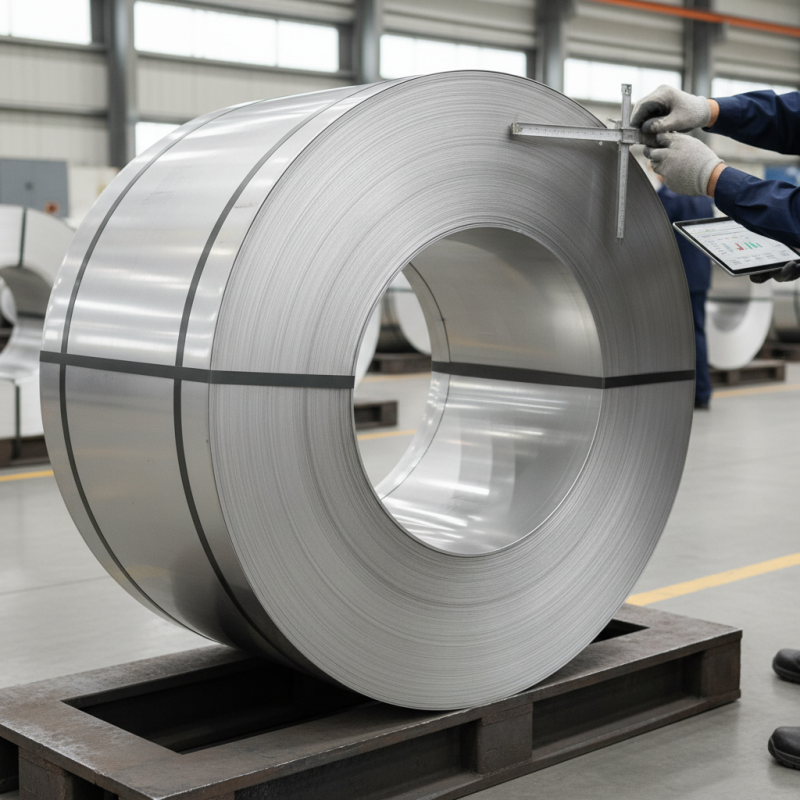
Table of Contents [Hide]
Understanding Cold Rolled Stainless Steel Coil Properties
Cold rolled stainless steel coils possess unique properties that make them ideal for various applications. Their surface finish is smooth and shiny, which enhances aesthetics and corrosion resistance. According to the World Steel Association, these properties lead to significant demand across industries like automotive, architecture, and appliances.
One important property is the increased strength obtained through the cold rolling process. This method improves tensile strength, making the material more durable. However, the strain hardening effect can also create challenges. Fabricators must consider potential springback in their designs. The American Society for Metals notes a typical yield strength ranging from 200 to 800 MPa, depending on the grade.
**Tip:** Always assess the specific requirements of your project, including strength and corrosion resistance.
Another critical aspect is the thickness and width of the coils. Cold rolled coils range from 0.1 mm to over 6 mm in thickness, serving different applications. Selecting the right thickness is crucial for performance. A thinner coil may reduce weight but might compromise structural integrity.
**Tip:** Test your chosen thickness with prototyping to gauge performance in real-world conditions.
In considering these factors, it's important to remember that not all stainless steel grades are interchangeable. The composition of alloys can lead to varying degrees of workability and corrosion resistance. Make informed decisions based on reliable data and expert assessments.

© Copyright - Pro Tool & Supply - Site by SVM E-Marketing Solutions - Sitemap
- Privacy policy