- Products
- Air Compressors & Air Tools
- Climate Control
- Compaction Equipment
- Concrete Cutting Tools & Equipment
- Concrete and Masonry
- Demolition & Excavation
- Electrical & Mechanical
- Fasteners and Anchoring Adhesives
- Floor Protection
- Generators and Welders
- Hand Tools
- Heaters
- Janitorial and Office Supplies
- Jobsite Protection
- Ladders & Storage
- Lighting & Lighting Accessories
- Man Lifts
- Material Handling Equipment
- Power Tools
- Pressure Washers & Pumps
- Safety Gear
- Safety Products
- Saws
- Surface Preparation
- SEASONAL PRODUCTS
- Rentals
- Air Compressor and Air Tool Rentals
- Climate Control Rental
- Compaction Rentals
- Concrete Equipment Rentals
- Demolition & Excavation Equipment Rentals
- Concrete Floor Grinder Rentals
- General Construction Equipment Rentals
- Generator Rentals and Welder Rentals
- Heater Rentals
- Light Tower Rentals
- Man Lift Rentals in Massachusetts and Rhode Island
- Material Handling Equipment Rentals
- Pressure Washer & Pump Rentals
- Saw Rentals in New England
- SEASONAL PRODUCTS
- Products
- Air Compressors & Air Tools
- Climate Control
- Compaction Equipment
- Concrete Cutting Tools & Equipment
- Demolition & Excavation
- Electrical & Mechanical
- Floor Protection
- Generators and Welders
- Construction Heaters
- Construction Ladders, Staging, & Storage
- Construction Lighting
- Man Lifts
- Material Handling Equipment
- Industrial Janitorial and Office Supplies
- Pressure Washers & Pumps
- Construction Safety Products
- Construction Safety Gear
- Surface Preparation
- Building Protection
- Diesel Accessories
- Zero Emissions
- Rentals
- Air Compressor and Air Tool Rentals
- Climate Control Rental
- Compaction Rentals
- Concrete Equipment Rental
- Demolition & Excavation Equipment Rental
- General Construction Equipment Rental
- Generator Rentals and Welder Rentals
- Construction Heaters Rental
- Light Tower Rentals
- Man Lift Rentals
- Material Handling Equipment Rental
- Pressure Washer & Pump Rentals
- Saw Rentals in New England
- Concrete Floor Grinder Rentals
- Zero Emissions Rentals
- Repairs & Used
- Parts
- Blog
- Services
- Resources
- About Us
- Contact Us
Sales & Rental of Construction | Industrial Equipment & Supplies


How to Choose Belt Conveying Equipment in 2026?
Choosing Belt Conveying Equipment in 2026 requires more than comparing belt widths, motor ratings, and purchase prices. Modern conveying systems must match the material, route, throughput, environment, and maintenance capacity. A dusty limestone plant needs different protection than a clean food-processing line. Moisture, heat, impact, incline angle, and loading frequency all influence equipment selection.
Todd Swinderman, a recognized conveyor safety specialist and former Martin Engineering executive, has often emphasized, “A conveyor is a system, not just a belt.” That principle remains highly relevant. The belt, pulleys, idlers, drives, cleaners, transfer points, controls, and guarding must work together. Ignoring one component can create spillage, premature wear, or unsafe access.
Small details matter.
This guide examines practical criteria for selecting Belt Conveying Equipment in 2026, including energy efficiency, intelligent monitoring, modular design, and safety performance. It also considers lifecycle cost rather than focusing only on the initial quotation. A cheaper conveyor may demand frequent belt tracking, manual cleaning, and unplanned shutdowns. Those hidden costs can quietly exceed the original savings.
Some decisions remain imperfect. Site data may be incomplete, future production may change, and supplier promises require verification. Therefore, buyers should request operating references, inspect maintenance records, and test material behavior where possible. The right choice is rarely the most powerful machine. It is the system that moves the required material reliably, safely, and economically under real operating conditions.
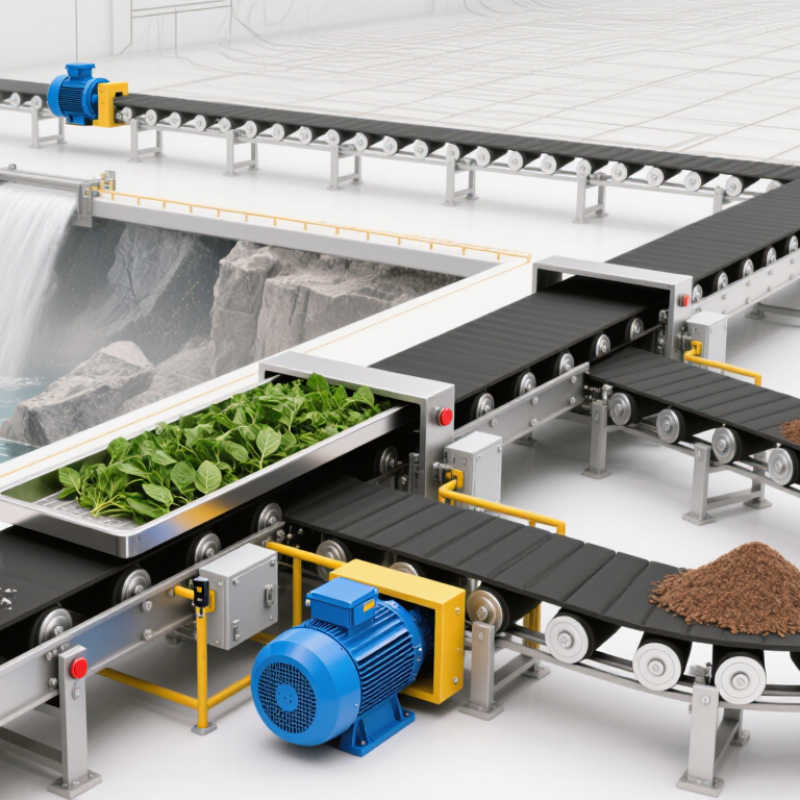
Table of Contents [Hide]
Belt Conveying Equipment: Types, Functions, and Basic Applications
Choosing belt conveying equipment in 2026 starts with the material, not the catalog. Belt conveyors move cartons, aggregates, food ingredients, and many other loads. Each material behaves differently. Fine powder may escape at transfer points. Wet products can slip on a smooth belt. Heavy cartons need stronger beds and carefully spaced rollers. A practical selection records capacity, belt speed, load weight, incline, temperature, and operating hours. It also checks the route. A conveyor beside a wall needs accessible guards and service space. Poor access turns a small fault into costly downtime. In my experience, the cheapest conveyor often becomes the most expensive after repeated adjustments. That assumption deserves testing.
Tips: Measure the heaviest normal load, not only the average load. Leave room for seasonal peaks. Select belt width from both volume and particle size. Confirm the drive’s starting torque under full load. Ask whether cleaning, tracking, and emergency stopping can be performed safely. Request test data for dusty, abrasive, or damp materials. Specifications can look complete and still hide weak transfer design. Keep that in mind.
Basic applications guide the equipment type. A flat belt suits horizontal transport and sorting. A cleated belt handles moderate inclines. A troughed belt carries loose bulk material with reduced spillage. Inclined conveyors need controlled rollback protection and suitable discharge height. Curved layouts may save floor space, but they can complicate belt tracking. Equipment should match the whole line, including feeders, chutes, sensors, and storage points. Choose durable, cleanable surfaces where hygiene matters. Choose impact protection where rocks or scrap arrive suddenly. Safety standards and local requirements must be verified by qualified personnel before installation. Real operating conditions matter more than attractive drawings.

© Copyright - Pro Tool & Supply - Site by SVM E-Marketing Solutions - Sitemap
- Privacy policy