- Products
- Air Compressors & Air Tools
- Climate Control
- Compaction Equipment
- Concrete Cutting Tools & Equipment
- Concrete and Masonry
- Demolition & Excavation
- Electrical & Mechanical
- Fasteners and Anchoring Adhesives
- Floor Protection
- Generators and Welders
- Hand Tools
- Heaters
- Janitorial and Office Supplies
- Jobsite Protection
- Ladders & Storage
- Lighting & Lighting Accessories
- Man Lifts
- Material Handling Equipment
- Power Tools
- Pressure Washers & Pumps
- Safety Gear
- Safety Products
- Saws
- Surface Preparation
- SEASONAL PRODUCTS
- Rentals
- Air Compressor and Air Tool Rentals
- Climate Control Rental
- Compaction Rentals
- Concrete Equipment Rentals
- Demolition & Excavation Equipment Rentals
- Concrete Floor Grinder Rentals
- General Construction Equipment Rentals
- Generator Rentals and Welder Rentals
- Heater Rentals
- Light Tower Rentals
- Man Lift Rentals in Massachusetts and Rhode Island
- Material Handling Equipment Rentals
- Pressure Washer & Pump Rentals
- Saw Rentals in New England
- SEASONAL PRODUCTS
- Products
- Air Compressors & Air Tools
- Climate Control
- Compaction Equipment
- Concrete Cutting Tools & Equipment
- Demolition & Excavation
- Electrical & Mechanical
- Floor Protection
- Generators and Welders
- Construction Heaters
- Construction Ladders, Staging, & Storage
- Construction Lighting
- Man Lifts
- Material Handling Equipment
- Industrial Janitorial and Office Supplies
- Pressure Washers & Pumps
- Construction Safety Products
- Construction Safety Gear
- Surface Preparation
- Building Protection
- Diesel Accessories
- Zero Emissions
- Rentals
- Air Compressor and Air Tool Rentals
- Climate Control Rental
- Compaction Rentals
- Concrete Equipment Rental
- Demolition & Excavation Equipment Rental
- General Construction Equipment Rental
- Generator Rentals and Welder Rentals
- Construction Heaters Rental
- Light Tower Rentals
- Man Lift Rentals
- Material Handling Equipment Rental
- Pressure Washer & Pump Rentals
- Saw Rentals in New England
- Concrete Floor Grinder Rentals
- Zero Emissions Rentals
- Repairs & Used
- Parts
- Blog
- Services
- Resources
- About Us
- Contact Us
Sales & Rental of Construction | Industrial Equipment & Supplies


How to Choose a Reliable Carbon Steel Sheet Supplier?
Choosing a reliable Carbon Steel Sheet Supplier} requires more than comparing prices on a spreadsheet. Steel sheets support bridges, machinery frames, storage tanks, and everyday fabrication. Their performance depends on chemistry, thickness accuracy, surface condition, and traceability. A certificate alone is not enough.
The World Steel Association’s World Steel in Figures 2024 reports approximately 1.89 billion tonnes of crude steel production in 2023. This scale creates broad supplier choices, but it also increases quality variation. The OECD’s Steel Outlook 2024 highlights continuing global capacity and trade pressures. These conditions can influence lead times, pricing, documentation, and product consistency. Buyers should therefore examine mill sources, inspection procedures, and delivery records before signing a contract.
Look beyond the quotation.
An experienced purchasing team should request mill test certificates, heat numbers, dimensional tolerances, coating details, and applicable standards. Common references include ASTM A36, ASTM A572, EN 10025, and ISO-based quality systems, depending on the application. Confirm that certificates match the actual bundle, not merely a standard template. Ask how the supplier handles nonconforming sheets, delayed shipments, and independent inspection.
Site visits can reveal practical details: organized coil storage, readable labels, dry warehouses, and calibrated measuring equipment. These small signs matter. However, no checklist is perfect. A polished facility may still hide weak communication or inconsistent subcontracting. My recommendation is to test a supplier with a controlled trial order, then compare thickness readings, surface quality, packaging, and promised delivery dates. Reliable sourcing is built through evidence, not confident claims.
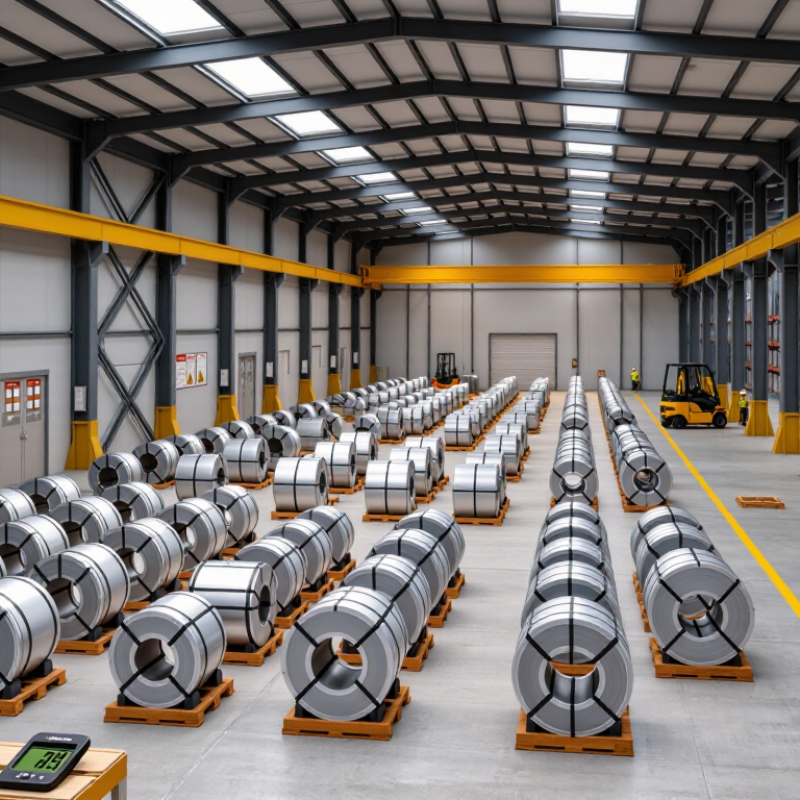
Table of Contents [Hide]
What Defines a Reliable Carbon Steel Sheet Supplier?
A reliable carbon steel sheet supplier proves quality through repeatable evidence, not polished promises. Ask for mill test certificates, chemical composition, tensile strength, yield strength, and thickness tolerances. These records should match the delivered sheets. Small mismatch matters. Experienced buyers also inspect edges, surfaces, flatness, and protective packaging before accepting a shipment. Rust marks, uneven cuts, or damp wrapping can reveal weak storage practices. A supplier should explain its inspection process clearly, including sampling frequency and equipment calibration.
Reliability also appears in communication. The supplier should confirm specifications, production schedules, packing details, and delivery risks in writing. When a delay occurs, honest notice is more useful than vague reassurance. Ask how the team handles nonconforming sheets, replacement requests, and traceability by heat or batch number. A dependable supplier can provide references, relevant certifications, and practical answers without avoiding difficult questions.
Still, certificates alone are not enough. I have seen well-organized documents hide unclear tolerances or unsuitable surface conditions. That is why a small trial order can be wise. Measure it carefully. Compare results with the agreed specification, then record every concern. No supplier is perfect. During the review, consider whether the supplier responds promptly and adjusts procedures when evidence exposes a weakness.

© Copyright - Pro Tool & Supply - Site by SVM E-Marketing Solutions - Sitemap
- Privacy policy