- Products
- Air Compressors & Air Tools
- Climate Control
- Compaction Equipment
- Concrete Cutting Tools & Equipment
- Concrete and Masonry
- Demolition & Excavation
- Electrical & Mechanical
- Fasteners and Anchoring Adhesives
- Floor Protection
- Generators and Welders
- Hand Tools
- Heaters
- Janitorial and Office Supplies
- Jobsite Protection
- Ladders & Storage
- Lighting & Lighting Accessories
- Man Lifts
- Material Handling Equipment
- Power Tools
- Pressure Washers & Pumps
- Safety Gear
- Safety Products
- Saws
- Surface Preparation
- SEASONAL PRODUCTS
- Rentals
- Air Compressor and Air Tool Rentals
- Climate Control Rental
- Compaction Rentals
- Concrete Equipment Rentals
- Demolition & Excavation Equipment Rentals
- Concrete Floor Grinder Rentals
- General Construction Equipment Rentals
- Generator Rentals and Welder Rentals
- Heater Rentals
- Light Tower Rentals
- Man Lift Rentals in Massachusetts and Rhode Island
- Material Handling Equipment Rentals
- Pressure Washer & Pump Rentals
- Saw Rentals in New England
- SEASONAL PRODUCTS
- Products
- Air Compressors & Air Tools
- Climate Control
- Compaction Equipment
- Concrete Cutting Tools & Equipment
- Demolition & Excavation
- Electrical & Mechanical
- Floor Protection
- Generators and Welders
- Construction Heaters
- Construction Ladders, Staging, & Storage
- Construction Lighting
- Man Lifts
- Material Handling Equipment
- Industrial Janitorial and Office Supplies
- Pressure Washers & Pumps
- Construction Safety Products
- Construction Safety Gear
- Surface Preparation
- Building Protection
- Diesel Accessories
- Zero Emissions
- Rentals
- Air Compressor and Air Tool Rentals
- Climate Control Rental
- Compaction Rentals
- Concrete Equipment Rental
- Demolition & Excavation Equipment Rental
- General Construction Equipment Rental
- Generator Rentals and Welder Rentals
- Construction Heaters Rental
- Light Tower Rentals
- Man Lift Rentals
- Material Handling Equipment Rental
- Pressure Washer & Pump Rentals
- Saw Rentals in New England
- Concrete Floor Grinder Rentals
- Zero Emissions Rentals
- Repairs & Used
- Parts
- Blog
- Services
- Resources
- About Us
- Contact Us
Sales & Rental of Construction | Industrial Equipment & Supplies


How to Choose a Magnetic GPS Tracker in 2026?
Choosing a magnetic GPS tracker in 2026 requires more than comparing prices and map screenshots. A reliable device should match your lawful tracking purpose, vehicle type, and daily routine. Fleet managers may need live location updates, while families may prefer simple geofencing and emergency alerts. Always use tracking with clear consent and respect applicable privacy requirements.
A strong magnetic GPS tracker should offer dependable satellite positioning, secure data handling, and a battery that fits real driving habits. Look for published battery estimates, charging times, weather resistance, and tested magnetic strength. A tracker that stays attached during rain, vibration, and highway travel is more useful than one with impressive advertising. Check whether the app shows recent locations clearly, rather than hiding delays behind polished graphics. Independent reviews and manufacturer documentation can reveal weaknesses that product pages omit.
No device is perfect. GPS accuracy can drop in underground garages, dense city streets, or beside tall buildings. A lower price may also mean weaker support or more frequent charging. That assumption can fail. Before buying, compare subscription terms, replacement policies, alert settings, and data protection practices. Experts should examine technical specifications, not just star ratings. Practical users should test the tracker near their regular parking area. This small step may expose poor signal performance before an important trip. In the end, the best choice balances accuracy, durability, privacy, and honest expectations. It should support responsible ownership, not encourage secret monitoring.
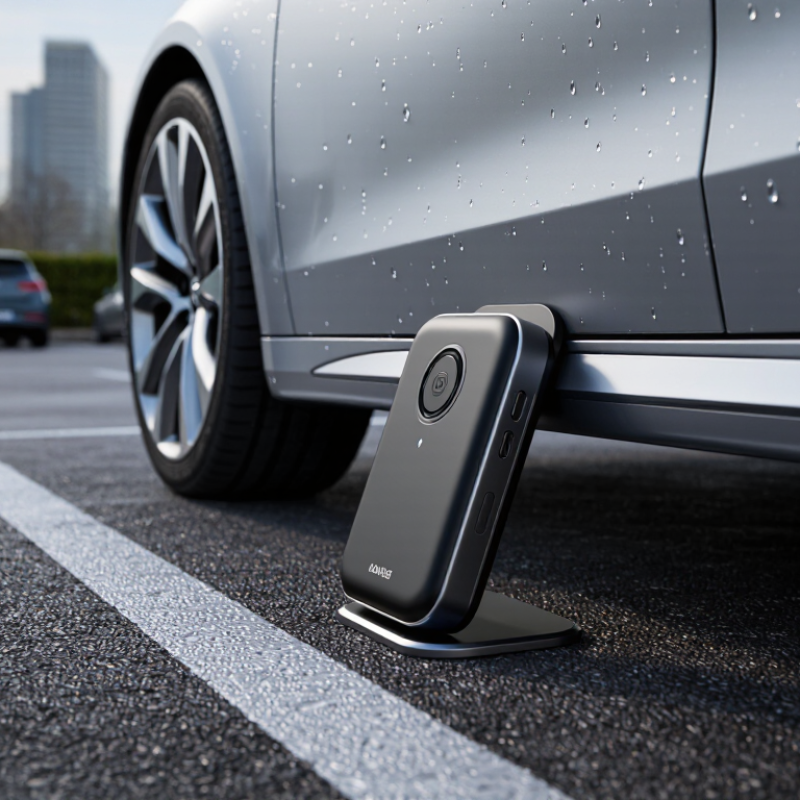
Table of Contents [Hide]
What a Magnetic GPS Tracker Is and How It Works
A magnetic GPS tracker is a compact device that estimates its location through GNSS signals. It then sends coordinates through a cellular network to an app or web dashboard. A strong magnet holds the unit against a metal surface, such as a vehicle frame or equipment cabinet. Inside, the receiver listens to satellite timing signals, while the modem uploads location data. The cloud platform stores routes, timestamps, and alerts.
IoT Analytics reported 16.6 billion connected IoT devices worldwide in 2023. This growth shows why location hardware now depends on stable network coverage and efficient software. GPS.gov states that civilian GPS can usually provide accuracy within about five meters under open-sky conditions. Buildings, underground parking, metal structures, and weather can reduce that performance. Signal loss happens.
When choosing a tracker in 2026, inspect battery capacity, charging protection, update intervals, and network compatibility. A unit reporting every ten seconds consumes more power than one reporting every ten minutes. Battery claims also deserve caution. Real performance changes with temperature, signal strength, and alert settings. Field checks matter more than attractive specifications. Place the device on clean, flat metal and test it in open and enclosed areas. Some magnets feel powerful but slide during vibration. That detail is easy to miss. Look for tamper alerts, encrypted data transmission, clear consent controls, and transparent storage policies. These features support reliable, responsible use.

© Copyright - Pro Tool & Supply - Site by SVM E-Marketing Solutions - Sitemap
- Privacy policy