- Products
- Air Compressors & Air Tools
- Climate Control
- Compaction Equipment
- Concrete Cutting Tools & Equipment
- Concrete and Masonry
- Demolition & Excavation
- Electrical & Mechanical
- Fasteners and Anchoring Adhesives
- Floor Protection
- Generators and Welders
- Hand Tools
- Heaters
- Janitorial and Office Supplies
- Jobsite Protection
- Ladders & Storage
- Lighting & Lighting Accessories
- Man Lifts
- Material Handling Equipment
- Power Tools
- Pressure Washers & Pumps
- Safety Gear
- Safety Products
- Saws
- Surface Preparation
- SEASONAL PRODUCTS
- Rentals
- Air Compressor and Air Tool Rentals
- Climate Control Rental
- Compaction Rentals
- Concrete Equipment Rentals
- Demolition & Excavation Equipment Rentals
- Concrete Floor Grinder Rentals
- General Construction Equipment Rentals
- Generator Rentals and Welder Rentals
- Heater Rentals
- Light Tower Rentals
- Man Lift Rentals in Massachusetts and Rhode Island
- Material Handling Equipment Rentals
- Pressure Washer & Pump Rentals
- Saw Rentals in New England
- SEASONAL PRODUCTS
- Products
- Air Compressors & Air Tools
- Climate Control
- Compaction Equipment
- Concrete Cutting Tools & Equipment
- Demolition & Excavation
- Electrical & Mechanical
- Floor Protection
- Generators and Welders
- Construction Heaters
- Construction Ladders, Staging, & Storage
- Construction Lighting
- Man Lifts
- Material Handling Equipment
- Industrial Janitorial and Office Supplies
- Pressure Washers & Pumps
- Construction Safety Products
- Construction Safety Gear
- Surface Preparation
- Building Protection
- Diesel Accessories
- Zero Emissions
- Rentals
- Air Compressor and Air Tool Rentals
- Climate Control Rental
- Compaction Rentals
- Concrete Equipment Rental
- Demolition & Excavation Equipment Rental
- General Construction Equipment Rental
- Generator Rentals and Welder Rentals
- Construction Heaters Rental
- Light Tower Rentals
- Man Lift Rentals
- Material Handling Equipment Rental
- Pressure Washer & Pump Rentals
- Saw Rentals in New England
- Concrete Floor Grinder Rentals
- Zero Emissions Rentals
- Repairs & Used
- Parts
- Blog
- Services
- Resources
- About Us
- Contact Us
Sales & Rental of Construction | Industrial Equipment & Supplies

How to Choose a Cold Storage Condensing Unit?
Choosing a Cold Storage Condensing Unit is not simply a matter of matching horsepower to room size. The decision affects product quality, energy use, maintenance, and operational resilience. A freezer room at -25°C needs very different performance from a chilled room at 2°C. Ambient temperature matters too. A condenser facing a 40°C summer afternoon cannot be judged like one operating indoors.
The need for better decisions is growing. The International Energy Agency’s 2018 report, The Future of Cooling, projects that cooling energy demand could triple by 2050 without stronger efficiency measures. UNEP’s Global Cooling Watch 2023 also warns that cooling demand may more than triple by 2050. Cold-chain facilities will feel this pressure through higher electricity costs and stricter efficiency expectations. The figures are sobering.
Professor Toby Peters, a leading cold-chain researcher, has argued that we must “cool more, using less energy.” That principle should guide every equipment comparison. Refrigerant choice, compressor efficiency, condenser airflow, part-load control, oil return, and service access all deserve attention. So do redundancy and alarm capability. A low purchase price can become expensive when one failed compressor threatens pallets of food or medicine.
There is no perfect selection formula. A spreadsheet can still lie. Real site conditions often expose weak assumptions. This guide examines capacity calculation, evaporating temperature, condensing temperature, refrigerant compatibility, climate conditions, lifecycle cost, and maintenance planning. It also considers practical details, such as dirty coils, blocked airflow, unstable voltage, and night-time loading. The right Cold Storage Condensing Unit should protect temperature, control operating risk, and remain serviceable years after installation.
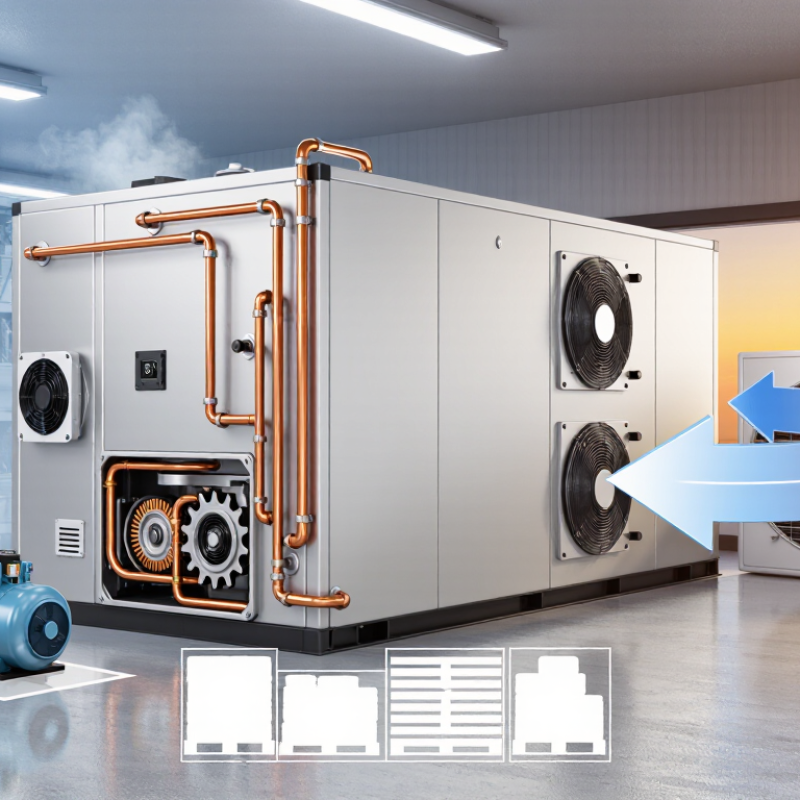
Table of Contents [Hide]
Define Cold Storage Requirements and Operating Conditions
How to Choose a Cold Storage Condensing Unit?
Cold storage requirements should be measured before selecting a condensing unit. Record the target room temperature, product temperature, and required pull-down time. Frozen goods may need -18°C, while chilled products often require 0°C to 4°C. Product loading changes the refrigeration demand significantly. A room filled with warm cartons needs more capacity than a stable, lightly loaded room. Door openings matter too. Count their frequency during the busiest working period.
Measure the surrounding conditions carefully. Outdoor temperatures, airflow, humidity, and available electrical supply affect unit performance. I have seen installations fail because designers used average weather data instead of peak summer conditions. That was an expensive lesson. Insulation thickness, floor construction, lighting, fans, and defrost heat should enter the load calculation. A neat spreadsheet can still lie when real operating habits are ignored. Leave practical capacity allowance, but avoid excessive oversizing, which can cause short cycling and poor humidity control.
Tips: Keep a simple daily log for one week. Note room temperature, door openings, product arrivals, and defrost periods. Share these records with a qualified refrigeration professional. Ask for operating capacity at your actual evaporating and condensing temperatures, not only the advertised rating. Check noise, service access, drainage, and electrical protection before installation. Recheck the assumptions after the first month. Real facilities rarely behave exactly as planned.

© Copyright - Pro Tool & Supply - Site by SVM E-Marketing Solutions - Sitemap
- Privacy policy