- Products
- Air Compressors & Air Tools
- Climate Control
- Compaction Equipment
- Concrete Cutting Tools & Equipment
- Concrete and Masonry
- Demolition & Excavation
- Electrical & Mechanical
- Fasteners and Anchoring Adhesives
- Floor Protection
- Generators and Welders
- Hand Tools
- Heaters
- Janitorial and Office Supplies
- Jobsite Protection
- Ladders & Storage
- Lighting & Lighting Accessories
- Man Lifts
- Material Handling Equipment
- Power Tools
- Pressure Washers & Pumps
- Safety Gear
- Safety Products
- Saws
- Surface Preparation
- SEASONAL PRODUCTS
- Rentals
- Air Compressor and Air Tool Rentals
- Climate Control Rental
- Compaction Rentals
- Concrete Equipment Rentals
- Demolition & Excavation Equipment Rentals
- Concrete Floor Grinder Rentals
- General Construction Equipment Rentals
- Generator Rentals and Welder Rentals
- Heater Rentals
- Light Tower Rentals
- Man Lift Rentals in Massachusetts and Rhode Island
- Material Handling Equipment Rentals
- Pressure Washer & Pump Rentals
- Saw Rentals in New England
- SEASONAL PRODUCTS
- Products
- Air Compressors & Air Tools
- Climate Control
- Compaction Equipment
- Concrete Cutting Tools & Equipment
- Demolition & Excavation
- Electrical & Mechanical
- Floor Protection
- Generators and Welders
- Construction Heaters
- Construction Ladders, Staging, & Storage
- Construction Lighting
- Man Lifts
- Material Handling Equipment
- Industrial Janitorial and Office Supplies
- Pressure Washers & Pumps
- Construction Safety Products
- Construction Safety Gear
- Surface Preparation
- Building Protection
- Diesel Accessories
- Zero Emissions
- Rentals
- Air Compressor and Air Tool Rentals
- Climate Control Rental
- Compaction Rentals
- Concrete Equipment Rental
- Demolition & Excavation Equipment Rental
- General Construction Equipment Rental
- Generator Rentals and Welder Rentals
- Construction Heaters Rental
- Light Tower Rentals
- Man Lift Rentals
- Material Handling Equipment Rental
- Pressure Washer & Pump Rentals
- Saw Rentals in New England
- Concrete Floor Grinder Rentals
- Zero Emissions Rentals
- Repairs & Used
- Parts
- Blog
- Services
- Resources
- About Us
- Contact Us
Sales & Rental of Construction | Industrial Equipment & Supplies


How to Choose a 316 Stainless Steel Plate Supplier
Choosing the right 316 Stainless Steel Plate Supplier can determine whether a project performs reliably or creates expensive delays. The decision involves more than comparing prices. Buyers must examine grade accuracy, plate thickness, surface finish, certification, delivery control, and technical support. A supplier may claim “316 stainless,” yet provide limited evidence about molybdenum content, heat treatment, or production origin.
J. R. Davis, editor of ASM Specialty Handbook: Stainless Steels, offers a practical reminder: “Material selection must begin with service conditions, not price.” That principle matters when plates face saltwater, chemical exposure, heat, or frequent cleaning. Ask for mill test certificates, heat numbers, chemical analysis, mechanical results, and applicable ASTM or EN standards. Confirm that documents match the actual plates, not a generic sample.
Small details reveal experience. A dependable supplier can explain whether 316 or 316L is more suitable, how plates are protected during transport, and how surface defects are handled. Inspect the packaging. Check the marking. Review the supplier’s response time.
No supplier is perfect. That is worth admitting. Even experienced companies may face production delays or documentation gaps. The stronger partner responds clearly and corrects problems quickly. This guide explains how to compare a 316 Stainless Steel Plate Supplier through evidence, practical questions, and careful technical judgment. Price still matters. It should not lead the decision.
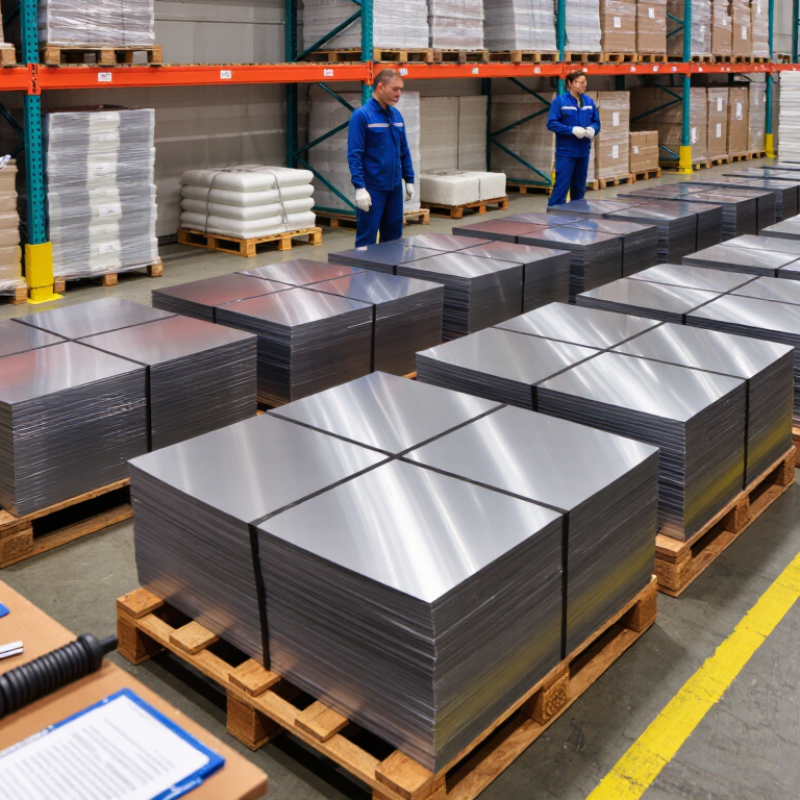
Table of Contents [Hide]
Define Your 316 Stainless Steel Plate Requirements
How to Choose a 316 Stainless Steel Plate Supplier
Define Your 316 Stainless Steel Plate Requirements
Begin with the service environment, not the supplier’s price. Specify exposure to chlorides, acids, moisture, temperature, and cleaning chemicals. A coastal structure needs different protection from an indoor food-processing table. The 316 grade contains molybdenum, which improves resistance to pitting in chloride environments. However, it is not immune to corrosion.
Write down the required thickness, width, length, surface finish, edge condition, flatness, and quantity. State whether the plate will be cut, welded, formed, or machined. ASTM A240/A240M defines requirements for chromium and chromium-nickel stainless plate, while EN 10088-2 covers European product conditions. Ask for heat numbers, chemical analysis, mechanical test results, and inspection certificates. Traceability matters.
Small details become expensive later.
According to the World Stainless Association’s 2023 production statistics, global stainless crude steel output reached about 60.8 million tonnes. That scale supports broad availability, but it does not guarantee consistent quality. Ask how the supplier controls thickness tolerances and surface protection during transport. Confirm whether the requested finish is 2B, No. 1, brushed, or polished, because appearance and processing performance differ. A 2B surface may suit fabrication, while polished material can require stricter handling.
I would not rely on the label “316” alone. Compare the certificate with the purchase specification. If the operating conditions are uncertain, involve a corrosion engineer before ordering. That step may feel excessive. It is often cheaper than replacing corroded plate.

© Copyright - Pro Tool & Supply - Site by SVM E-Marketing Solutions - Sitemap
- Privacy policy