- Products
- Air Compressors & Air Tools
- Climate Control
- Compaction Equipment
- Concrete Cutting Tools & Equipment
- Concrete and Masonry
- Demolition & Excavation
- Electrical & Mechanical
- Fasteners and Anchoring Adhesives
- Floor Protection
- Generators and Welders
- Hand Tools
- Heaters
- Janitorial and Office Supplies
- Jobsite Protection
- Ladders & Storage
- Lighting & Lighting Accessories
- Man Lifts
- Material Handling Equipment
- Power Tools
- Pressure Washers & Pumps
- Safety Gear
- Safety Products
- Saws
- Surface Preparation
- SEASONAL PRODUCTS
- Rentals
- Air Compressor and Air Tool Rentals
- Climate Control Rental
- Compaction Rentals
- Concrete Equipment Rentals
- Demolition & Excavation Equipment Rentals
- Concrete Floor Grinder Rentals
- General Construction Equipment Rentals
- Generator Rentals and Welder Rentals
- Heater Rentals
- Light Tower Rentals
- Man Lift Rentals in Massachusetts and Rhode Island
- Material Handling Equipment Rentals
- Pressure Washer & Pump Rentals
- Saw Rentals in New England
- SEASONAL PRODUCTS
- Products
- Air Compressors & Air Tools
- Climate Control
- Compaction Equipment
- Concrete Cutting Tools & Equipment
- Demolition & Excavation
- Electrical & Mechanical
- Floor Protection
- Generators and Welders
- Construction Heaters
- Construction Ladders, Staging, & Storage
- Construction Lighting
- Man Lifts
- Material Handling Equipment
- Industrial Janitorial and Office Supplies
- Pressure Washers & Pumps
- Construction Safety Products
- Construction Safety Gear
- Surface Preparation
- Building Protection
- Diesel Accessories
- Zero Emissions
- Rentals
- Air Compressor and Air Tool Rentals
- Climate Control Rental
- Compaction Rentals
- Concrete Equipment Rental
- Demolition & Excavation Equipment Rental
- General Construction Equipment Rental
- Generator Rentals and Welder Rentals
- Construction Heaters Rental
- Light Tower Rentals
- Man Lift Rentals
- Material Handling Equipment Rental
- Pressure Washer & Pump Rentals
- Saw Rentals in New England
- Concrete Floor Grinder Rentals
- Zero Emissions Rentals
- Repairs & Used
- Parts
- Blog
- Services
- Resources
- About Us
- Contact Us
Sales & Rental of Construction | Industrial Equipment & Supplies


How to Choose the Best Shipping Tarp for Your Cargo in 2026?
Choosing a Shipping Tarp is not a minor purchasing decision. It can affect cargo condition, loading time, and the number of roadside adjustments a driver must make. A loose corner, worn seam, or undersized cover can leave a pallet exposed to rain and road spray. Small details matter.
The American Trucking Associations’ American Trucking Trends 2024 report says trucks moved 11.18 billion tons of freight in the United States in 2022, representing 72.7% of domestic freight tonnage. That figure describes trucking’s scale, not tarp failure rates. Still, it highlights how many loads depend on reliable protection during transport. A tarp needs to match the cargo, route, and weather—not just the truck bed.
This guide explains how to compare tarp material, weight, dimensions, coatings, seams, and attachment points. A coated polyester tarp may suit frequent handling, while heavier canvas can be useful for particular loads and working conditions. Neither is right for every job. Check how water sheds across the load, whether tie-downs can hold without excessive strain, and whether sharp edges need padding. A tarp alone does not secure cargo; use suitable restraint methods and follow applicable cargo-securement requirements. The best choice is practical, durable, and easy to inspect. And sometimes, the “heavy-duty” label tells you less than the construction details.
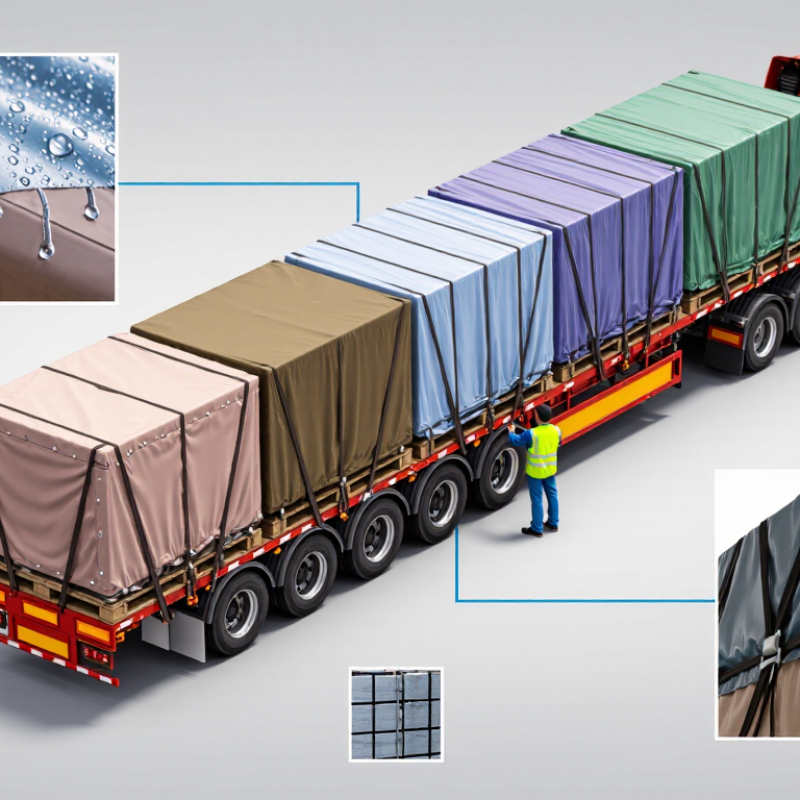
Table of Contents [Hide]
Identify Cargo Type, Load Shape, and Route Conditions
Choose a tarp by the cargo’s weakest point, not just its total weight. Bagged materials need broad coverage and sealed edges; rough lumber may need abrasion-resistant fabric and reinforced corners. Machinery with exposed controls benefits from a close-fitting cover that sheds water without trapping condensation. Check the actual load before ordering. A product description cannot reveal every sharp edge.
Load shape matters. A tall, narrow stack catches wind differently from a low, wide pallet, while protruding corners can strain the tarp during travel. Measure the load at its widest and highest points, then allow enough material for secure coverage without loose flapping panels. The tarp is not a substitute for tiedowns. FMCSA cargo-securement rules generally require tiedowns’ aggregate working load limit to equal at least half the cargo’s weight. Edges matter.
Route conditions can change the choice. A shipment crossing wet mountain passes needs dependable water shedding; a long, sunny desert route adds heat and UV exposure. NOAA’s 2023 U.S. Billion-Dollar Weather and Climate Disasters report recorded 28 events, with estimated losses of $92.9 billion. That national figure does not predict conditions on one route, but it is a reminder to check forecasts and expected stops. One detail is easy to miss: a tarp that fits perfectly at pickup may loosen after the load settles, so inspect it again during the journey.

© Copyright - Pro Tool & Supply - Site by SVM E-Marketing Solutions - Sitemap
- Privacy policy