- Products
- Air Compressors & Air Tools
- Climate Control
- Compaction Equipment
- Concrete Cutting Tools & Equipment
- Concrete and Masonry
- Demolition & Excavation
- Electrical & Mechanical
- Fasteners and Anchoring Adhesives
- Floor Protection
- Generators and Welders
- Hand Tools
- Heaters
- Janitorial and Office Supplies
- Jobsite Protection
- Ladders & Storage
- Lighting & Lighting Accessories
- Man Lifts
- Material Handling Equipment
- Power Tools
- Pressure Washers & Pumps
- Safety Gear
- Safety Products
- Saws
- Surface Preparation
- SEASONAL PRODUCTS
- Rentals
- Air Compressor and Air Tool Rentals
- Climate Control Rental
- Compaction Rentals
- Concrete Equipment Rentals
- Demolition & Excavation Equipment Rentals
- Concrete Floor Grinder Rentals
- General Construction Equipment Rentals
- Generator Rentals and Welder Rentals
- Heater Rentals
- Light Tower Rentals
- Man Lift Rentals in Massachusetts and Rhode Island
- Material Handling Equipment Rentals
- Pressure Washer & Pump Rentals
- Saw Rentals in New England
- SEASONAL PRODUCTS
- Products
- Air Compressors & Air Tools
- Climate Control
- Compaction Equipment
- Concrete Cutting Tools & Equipment
- Demolition & Excavation
- Electrical & Mechanical
- Floor Protection
- Generators and Welders
- Construction Heaters
- Construction Ladders, Staging, & Storage
- Construction Lighting
- Man Lifts
- Material Handling Equipment
- Industrial Janitorial and Office Supplies
- Pressure Washers & Pumps
- Construction Safety Products
- Construction Safety Gear
- Surface Preparation
- Building Protection
- Diesel Accessories
- Zero Emissions
- Rentals
- Air Compressor and Air Tool Rentals
- Climate Control Rental
- Compaction Rentals
- Concrete Equipment Rental
- Demolition & Excavation Equipment Rental
- General Construction Equipment Rental
- Generator Rentals and Welder Rentals
- Construction Heaters Rental
- Light Tower Rentals
- Man Lift Rentals
- Material Handling Equipment Rental
- Pressure Washer & Pump Rentals
- Saw Rentals in New England
- Concrete Floor Grinder Rentals
- Zero Emissions Rentals
- Repairs & Used
- Parts
- Blog
- Services
- Resources
- About Us
- Contact Us
Sales & Rental of Construction | Industrial Equipment & Supplies


Why Choose Food Trucks for Your Next Business Venture?
The Food Truck industry has seen remarkable growth, becoming a staple in urban dining culture. According to a 2022 industry report, the global food truck market is projected to reach $1.2 billion by 2028. This growth highlights a shift in consumer preferences toward mobile dining experiences. Many entrepreneurs are taking advantage of this trend, finding food trucks to be a lower-cost entry point compared to traditional restaurants.
Despite the promising outlook, venturing into the food truck business is not without challenges. Limited space can constrain menu diversity, making it essential to specialize effectively. Location can also greatly impact sales; a busy street corner might be ideal, but it could also attract stiff competition. The balance between creativity and practical constraints requires careful thought and planning.
Navigating local regulations adds another layer of complexity. City permits and health codes vary widely, and understanding them is crucial for success. Yet, these challenges can offer valuable lessons in resilience and adaptability. Overall, food trucks not only provide exciting culinary opportunities but also hone essential business skills for aspiring entrepreneurs.
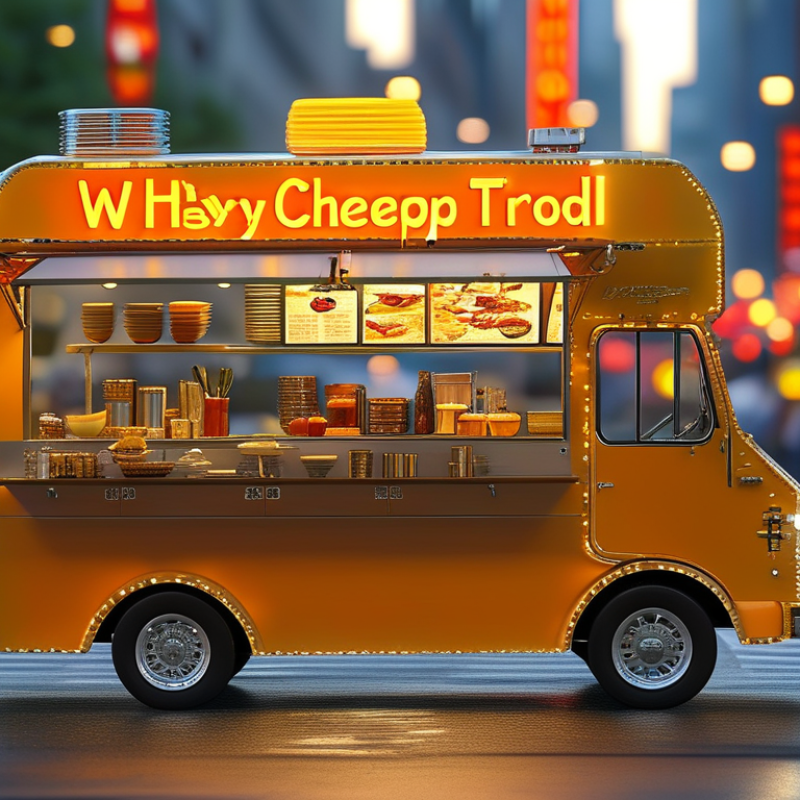
Table of Contents [Hide]
Benefits of Food Trucks Over Traditional Restaurants
When considering a food-related business, food trucks offer unique advantages over traditional restaurants. According to a recent report by IBISWorld, the food truck industry has seen a growth of 7.5% per year over the past five years. This trend is largely due to lower startup costs and flexibility in location. Unlike a brick-and-mortar establishment, a food truck can easily change its venue based on foot traffic or local events, creating opportunistic sales.
Moreover, operating a food truck involves less overhead. Traditional restaurants typically face significant costs, including rent and utilities. According to the National Restaurant Association, dining out costs have continually risen, but food trucks often maintain better price points, which can attract budget-conscious customers. A study by Food Truck Nation highlights how food trucks can operate with lower profit margins, often around 10-15%, while traditional restaurants can struggle to achieve the same in competitive markets.
However, it's essential to acknowledge the challenges. Food trucks face unique regulatory hurdles that can vary greatly by location. These challenges can lead to operational delays and potential legal issues. Moreover, their smaller kitchens can limit menu offerings. Entrepreneurs should conduct thorough research in their community’s regulations and market demands. Embracing both the strengths and weaknesses of food trucks can lead to a successful venture.
© Copyright - Pro Tool & Supply - Site by SVM E-Marketing Solutions - Sitemap
- Privacy policy