- Products
- Air Compressors & Air Tools
- Climate Control
- Compaction Equipment
- Concrete Cutting Tools & Equipment
- Concrete and Masonry
- Demolition & Excavation
- Electrical & Mechanical
- Fasteners and Anchoring Adhesives
- Floor Protection
- Generators and Welders
- Hand Tools
- Heaters
- Janitorial and Office Supplies
- Jobsite Protection
- Ladders & Storage
- Lighting & Lighting Accessories
- Man Lifts
- Material Handling Equipment
- Power Tools
- Pressure Washers & Pumps
- Safety Gear
- Safety Products
- Saws
- Surface Preparation
- SEASONAL PRODUCTS
- Rentals
- Air Compressor and Air Tool Rentals
- Climate Control Rental
- Compaction Rentals
- Concrete Equipment Rentals
- Demolition & Excavation Equipment Rentals
- Concrete Floor Grinder Rentals
- General Construction Equipment Rentals
- Generator Rentals and Welder Rentals
- Heater Rentals
- Light Tower Rentals
- Man Lift Rentals in Massachusetts and Rhode Island
- Material Handling Equipment Rentals
- Pressure Washer & Pump Rentals
- Saw Rentals in New England
- SEASONAL PRODUCTS
- Products
- Air Compressors & Air Tools
- Climate Control
- Compaction Equipment
- Concrete Cutting Tools & Equipment
- Demolition & Excavation
- Electrical & Mechanical
- Floor Protection
- Generators and Welders
- Construction Heaters
- Construction Ladders, Staging, & Storage
- Construction Lighting
- Man Lifts
- Material Handling Equipment
- Industrial Janitorial and Office Supplies
- Pressure Washers & Pumps
- Construction Safety Products
- Construction Safety Gear
- Surface Preparation
- Building Protection
- Diesel Accessories
- Zero Emissions
- Rentals
- Air Compressor and Air Tool Rentals
- Climate Control Rental
- Compaction Rentals
- Concrete Equipment Rental
- Demolition & Excavation Equipment Rental
- General Construction Equipment Rental
- Generator Rentals and Welder Rentals
- Construction Heaters Rental
- Light Tower Rentals
- Man Lift Rentals
- Material Handling Equipment Rental
- Pressure Washer & Pump Rentals
- Saw Rentals in New England
- Concrete Floor Grinder Rentals
- Zero Emissions Rentals
- Repairs & Used
- Parts
- Blog
- Services
- Resources
- About Us
- Contact Us
Sales & Rental of Construction | Industrial Equipment & Supplies

Why Choose Electric Pilot Control Valve for Your Applications?
In recent years, the demand for Electric Pilot Control Valves has surged across various industries. Reports indicate that the global control valve market is projected to grow at a compound annual growth rate (CAGR) of 6.1% from 2021 to 2028. This trend highlights the increasing reliance on these precise control systems. Electric Pilot Control Valves play a crucial role in improving process efficiency and reliability.
These valves offer significant advantages over traditional pneumatic systems. They provide faster response times and higher accuracy in flow control. According to industry analysis, companies switching to electric valves can reduce energy consumption by up to 30%. This improvement not only cuts costs but also supports sustainability initiatives. However, organizations must consider the initial investment and integration challenges associated with them.
At the same time, the longevity and reduced maintenance needs of Electric Pilot Control Valves are compelling benefits. Properly selected and maintained valves can last for years, minimizing downtime and maximizing productivity. Nevertheless, companies should be aware of potential drawbacks, such as the requirement for a stable power supply. Embracing Electric Pilot Control Valves can be a game-changer, but careful evaluation is essential for successful implementation.
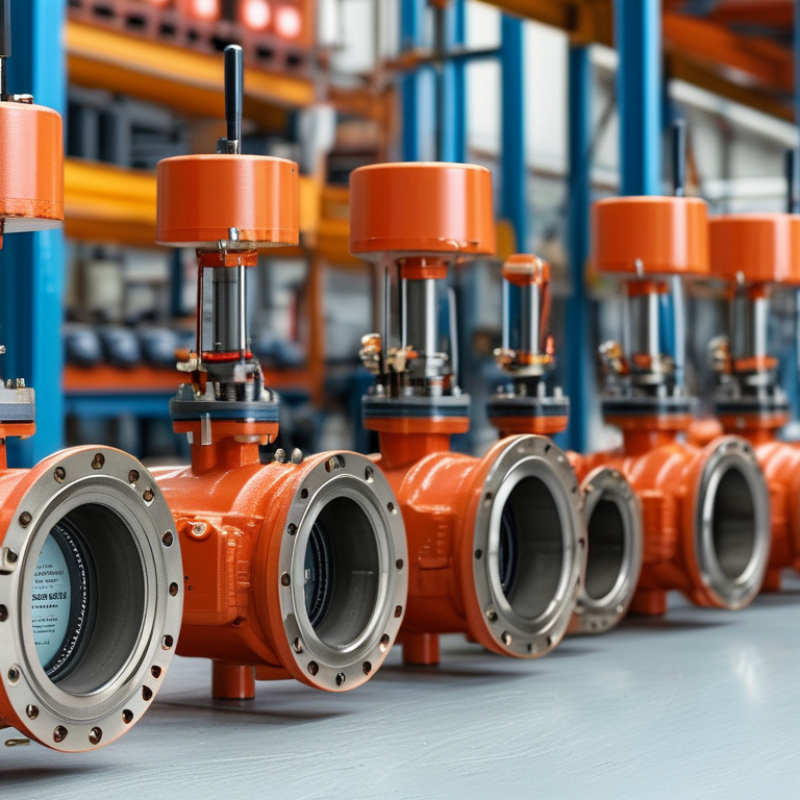
Table of Contents [Hide]
Understanding Electric Pilot Control Valves and Their Functionality
Electric pilot control valves play a crucial role in various industrial applications. These valves use an electric signal to control the flow of fluids. This mechanism allows for precise control over the system's response. The electric pilot helps reduce response times significantly. Unlike mechanical systems, these valves can adjust quickly to changes in demand.
Their functionality involves converting an electrical input signal into a mechanical output. This process ensures smoother operation and better resource management. Many industries benefit from this technology, especially in automation settings. The technology promises reliability and efficiency, though it can sometimes malfunction due to electrical issues. Regular maintenance can mitigate these risks, ensuring consistent performance.
In practice, users may find the installation process challenging. Some systems require specific configurations for optimal function. Understanding the components and their interactions often takes time. However, the benefits in control and accuracy often outweigh these initial hurdles. Training staff on these systems adds another layer of complexity but enhances long-term reliability.

© Copyright - Pro Tool & Supply - Site by SVM E-Marketing Solutions - Sitemap
- Privacy policy