Sales & Rental of Construction | Industrial Equipment & Supplies

China Top Super Bright LED Light Bar Manufacturers?

Choosing a Super Bright Led Light Bar is not just a brightness decision. Buyers also need to examine beam pattern, heat control, sealing, wiring, and the quality of the housing. A bright bar can look impressive in a showroom. On a vehicle or worksite, uneven illumination and poor heat management quickly matter more.

The wider market offers useful context, but not a direct measure of light-bar sales. Grand View Research valued the global LED lighting market at about $75.3 billion in 2023 and forecast a 10.4% compound annual growth rate from 2024 to 2030 (LED Lighting Market Size, Share & Trends Analysis Report). That figure covers many LED applications. It should not be treated as a forecast for light bars alone. Still, it signals continuing investment in LED products and manufacturing.

China has a broad supplier base, yet factory location alone proves little. Ask for verified photometric test results, ingress-protection documentation, material specifications, and consistent production records. Check how clearly a manufacturer explains beam angles, lumen ratings, and warranty terms. Small details count. A connector that feels loose or a lens with visible haze deserves a closer look. This guide compares manufacturers through product evidence, engineering capability, customization, and after-sales support. Some published specifications can be hard to compare directly; that is a limitation worth keeping in view.
China Top Super Bright LED Light Bar Manufacturers?

What Makes a Super-Bright LED Light Bar

What Makes a Super-Bright LED Light Bar

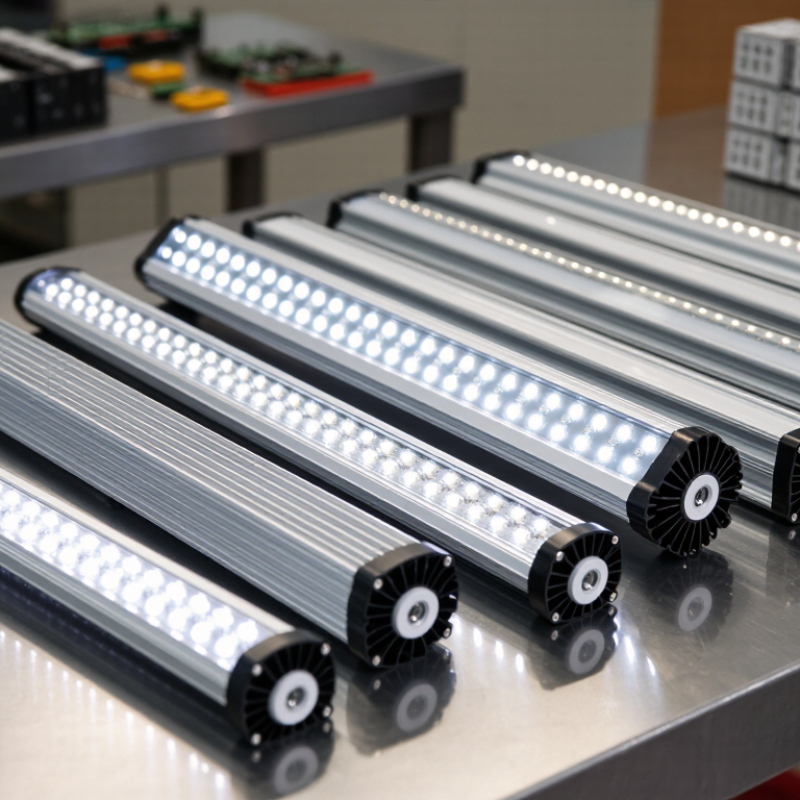
A super-bright LED light bar is not defined by a large lumen number alone. Useful brightness depends on efficient LEDs and how well the housing directs light onto a work area. Lens shape and reflector design affect beam width, reach, and dark spots. Details matter. A narrow beam can illuminate a distant point, while a wider pattern helps reveal nearby edges. Color temperature also changes perception: cooler light can make surface details look crisp, though it may feel harsh in fog or dust. Read ratings carefully, since advertised peak output may differ from measured output after the bar warms up.

Thermal control is just as important. LEDs and drivers produce heat, so a solid aluminum body, sensible fin spacing, and stable electrical components help limit output decline over time. Good sealing protects against rain and dust, but it should not trap heat. Test it warm. Run the light long enough to heat up, then compare its beam on a wall or target at a fixed distance. Check current draw, mounting rigidity, and distracting glare. A bright bar can still disappoint if its optics scatter light or its bracket vibrates on rough ground. No layout suits every task, and lumen figures alone offer an incomplete measure of performance.

How LED Light Bar Design Shapes Brightness and Performance

How LED Light Bar Design Shapes Brightness and Performance

A light bar’s brightness depends on more than its LED count. Lens shape, reflector geometry, spacing, and beam angle determine how much light reaches the road or work surface. A narrow beam concentrates illumination farther ahead; a wider beam lights nearby areas but may feel less intense at distance. More chips do not automatically mean better visibility.

Thermal design matters, too. LEDs lose performance when heat builds around the circuit board, so an aluminum housing and clear heat paths help maintain output. The U.S. Department of Energy’s 2022 Solid-State Lighting R&D Opportunities report notes that LED packages can exceed 200 lumens per watt in controlled conditions. That figure describes packages, not complete light bars; optics, drivers, and heat reduce real-world system efficiency. Heat matters.

A useful comparison looks at measured output, beam pattern, and sustained performance—not marketing claims alone. In practical testing, inspect the beam on a wall and check for dark gaps, harsh hotspots, or excessive glare. Mounting angle changes the result. I would also treat peak brightness cautiously: it can obscure how the bar performs after warming up. Design trade-offs remain, and a compact bar may not spread light evenly across a wide work area.

China Top Super Bright LED Light Bar Manufacturers? — How LED Light Bar Design Shapes Brightness and Performance
Design Dimension Typical Design Choices Effect on Brightness Effect on Performance What to Check in Product Data
LED arrangement and drive level LED count, package type, spacing, and operating current vary by bar size and intended use. More LEDs or higher drive current can increase light output, but output does not rise indefinitely with current. Higher current can increase heat and reduce electrical efficiency; stable output depends on the LED and driver design. LED count, total input power, measured output, and whether the lumen figure is raw LED output or output from the complete fixture.
Reflectors and lenses Reflector cups, TIR optics, and lens shapes can be configured for spot, flood, or combination beams. Optics direct light into a chosen area. A narrow beam can produce greater center-beam intensity without necessarily having more total lumens. Spot beams favor distance; flood beams cover a wider nearby area. Combination beams balance the two. Beam-angle information, candela or lux data, and any beam-distance figure with its measurement method stated.
Thermal management Aluminum housings and heat sinks conduct heat away from LED components; fin area and airflow affect cooling. Good heat management helps maintain output during extended operation. Excess heat can cause thermal dimming or shorten component life. Mounting position, ambient temperature, and airflow can affect operating temperature and sustained performance. Housing material, thermal-protection details, operating-temperature range, and output data after warm-up if available.
Electrical system and driver Vehicle light bars are commonly designed for 12 V or 24 V systems; some models accept a wider DC input range. Driver efficiency influences how much electrical power becomes LED light rather than heat. Voltage protection and regulated current help support reliable operation as vehicle voltage changes. Specified input-voltage range, current draw, rated power, reverse-polarity protection, and over-temperature protection.
Color temperature Many white auxiliary LED lights use a cool-white appearance, often specified in the approximate 5,000–6,500 K range. Color temperature describes the appearance of white light; it is not a measurement of brightness. Perceived contrast can vary with surroundings, weather, and observer preference. A higher Kelvin value does not automatically mean greater visibility. Correlated color temperature (CCT), color consistency, and whether the light is white, amber, or dual-color.
Sealing and environmental protection Gaskets, sealed connectors, and housing construction help protect against dust and water; protection levels vary by product. Sealing does not directly increase lumen output, but it can help preserve performance when the light is used in harsh conditions. Ingress protection depends on the complete assembly and test conditions, including connectors and installation. Declared IP rating, test standard, connector protection, and installation instructions.
Lens clarity and durability Light bars use transparent covers made from materials such as polycarbonate or glass, depending on the design. A clean, clear optical surface supports light transmission; scratches, dirt, or yellowing can reduce usable output. Impact resistance, UV exposure, and cleaning practices affect long-term optical condition. Lens material, UV-resistance information, impact rating if provided, and replacement or service options.
Measured output and test method Output may be reported as theoretical LED lumens, measured fixture lumens, lux at a stated distance, or candela. These values describe different aspects of light and should not be treated as interchangeable. Comparable results require consistent test conditions, including distance, beam alignment, and measurement method. Test method, measurement conditions, and whether figures apply to the LEDs alone or the finished light bar.
Note: Design choices and published specifications vary by product. Compare complete-fixture measurements and test conditions rather than relying on LED count or an unqualified “lumens” figure alone.

Key Applications for High-Output LED Light Bars

High-output LED light bars are useful wherever broad, dependable illumination improves visibility across a large work area. On construction sites, they can light equipment zones, access routes, and material staging areas after daylight fades. A wide beam helps workers spot uneven ground and misplaced tools. A focused beam can reach farther along a temporary road. The right pattern depends on the task. More light is not always better.

Agricultural machinery may use light bars to illuminate field edges and implements during early starts or late work. On service vehicles, they can brighten roadside repair areas, while industrial equipment may benefit from durable lighting around loading bays and outdoor yards. Check the mounting surface, vibration exposure, and heat management before choosing a unit. Dust and moisture protection also matter when equipment works outdoors. A bar with impressive output can still perform poorly if its beam creates glare or its housing traps heat. That detail is easy to miss. Operators should aim lights carefully and follow applicable workplace requirements. A practical installation balances brightness with visibility, comfort, and reliable operation.

How to Evaluate LED Light Bar Manufacturers in China

When evaluating LED light bar manufacturers in China, look beyond “super bright” claims. Ask how brightness is measured, and request test data for the actual model. Check beam patterns, color temperature, power draw, and heat management. A high lumen figure means little if the bar overheats during a long night of use. Ask to inspect a sample under realistic conditions.

Production quality matters just as much. Request details on incoming component checks, final inspection, and batch traceability. For outdoor use, review documented water and dust resistance tests, connector sealing, and vibration testing. Ask how the rating was verified, not just what appears on a product sheet. Small details count. A loose cable gland can become a real problem after repeated exposure to rain.

Compare sample performance with the manufacturer’s written specifications before discussing large orders. Confirm lead times, packaging, warranty terms, and how faults are handled. Clear answers are useful; vague promises are not. Still, paperwork cannot reveal every production variation, and a sample may not represent a full batch perfectly. Even careful buyers can overvalue polished catalogs, so keep test records and check randomly selected units before shipment.

Comparing Manufacturer Capabilities, Certifications, and Customization Options

China Top Super Bright LED Light Bar Manufacturers?

Comparing Manufacturer Capabilities, Certifications, and Customization Options

A capable manufacturer should explain how brightness is measured, not just quote a large lumen figure. Ask for a photometric report, operating voltage, and test conditions. A calibrated integrating sphere can help verify output, while thermal testing shows how the bar performs after extended use. Numbers need context.

Certifications matter, but requirements depend on the destination market and intended application. Request current test reports for applicable electrical, electromagnetic compatibility, and ingress-protection claims. Check that documents match the exact model, not merely a similar product. Inspect sample labels and connector details, too. Small mismatches can slow purchasing.

Customization reveals how well a factory handles real project needs. Discuss beam patterns, housing length, mounting brackets, cable length, connector type, and operating voltage. Ask whether the manufacturer can share drawings and a pre-production sample. Then test fit, heat, and vibration in conditions close to actual use. I would not judge a supplier by a polished sample alone; production consistency deserves equal attention. Even a small detail matters. A flexible factory may offer useful options, but every change can affect cost, lead time, or validation work. That trade-off is easy to overlook.

© Copyright - Pro Tool & Supply - Site by SVM E-Marketing Solutions - Sitemap - Privacy policy
