- Products
- Air Compressors & Air Tools
- Climate Control
- Compaction Equipment
- Concrete Cutting Tools & Equipment
- Concrete and Masonry
- Demolition & Excavation
- Electrical & Mechanical
- Fasteners and Anchoring Adhesives
- Floor Protection
- Generators and Welders
- Hand Tools
- Heaters
- Janitorial and Office Supplies
- Jobsite Protection
- Ladders & Storage
- Lighting & Lighting Accessories
- Man Lifts
- Material Handling Equipment
- Power Tools
- Pressure Washers & Pumps
- Safety Gear
- Safety Products
- Saws
- Surface Preparation
- SEASONAL PRODUCTS
- Rentals
- Air Compressor and Air Tool Rentals
- Climate Control Rental
- Compaction Rentals
- Concrete Equipment Rentals
- Demolition & Excavation Equipment Rentals
- Concrete Floor Grinder Rentals
- General Construction Equipment Rentals
- Generator Rentals and Welder Rentals
- Heater Rentals
- Light Tower Rentals
- Man Lift Rentals in Massachusetts and Rhode Island
- Material Handling Equipment Rentals
- Pressure Washer & Pump Rentals
- Saw Rentals in New England
- SEASONAL PRODUCTS
- Products
- Air Compressors & Air Tools
- Climate Control
- Compaction Equipment
- Concrete Cutting Tools & Equipment
- Demolition & Excavation
- Electrical & Mechanical
- Floor Protection
- Generators and Welders
- Construction Heaters
- Construction Ladders, Staging, & Storage
- Construction Lighting
- Man Lifts
- Material Handling Equipment
- Industrial Janitorial and Office Supplies
- Pressure Washers & Pumps
- Construction Safety Products
- Construction Safety Gear
- Surface Preparation
- Building Protection
- Diesel Accessories
- Zero Emissions
- Rentals
- Air Compressor and Air Tool Rentals
- Climate Control Rental
- Compaction Rentals
- Concrete Equipment Rental
- Demolition & Excavation Equipment Rental
- General Construction Equipment Rental
- Generator Rentals and Welder Rentals
- Construction Heaters Rental
- Light Tower Rentals
- Man Lift Rentals
- Material Handling Equipment Rental
- Pressure Washer & Pump Rentals
- Saw Rentals in New England
- Concrete Floor Grinder Rentals
- Zero Emissions Rentals
- Repairs & Used
- Parts
- Blog
- Services
- Resources
- About Us
- Contact Us
Sales & Rental of Construction | Industrial Equipment & Supplies


China Top 10 Skynex Video Door Phone Manufacturers
Choosing a video door phone manufacturer involves more than comparing product photos and quoted prices. Buyers need to understand how each system performs at the entrance, where glare, rain, background noise, and repeated daily use can expose design weaknesses. A clear display and responsive call button matter. So do stable audio, night-time visibility, and reliable communication between the outdoor panel and indoor monitor. Small details matter.
This guide to China’s top 10 Skynex video door phone manufacturers offers a starting point for supplier research, not a substitute for verification. Product ranges, customization options, production capacity, and support can differ between companies. Request current datasheets, sample units, warranty terms, and clear answers about installation requirements. Where available, review relevant test reports and assess whether the manufacturer’s stated certifications match your target market. The phrase “Skynex Manufacturer Produce Video Door Phone” may appear in searches, but search wording alone cannot confirm a supplier’s capabilities.
Look closely at the physical product: the camera’s viewing angle, the panel’s materials, the monitor’s controls, and the wiring or network requirements. Ask how software updates and replacement parts are handled. Not every model fits. A system suited to a single home may not meet the needs of an apartment project. Compare evidence, not just promises, and leave room for follow-up questions. Supplier selection is rarely perfect on the first pass; careful checks can help buyers make a more informed decision.
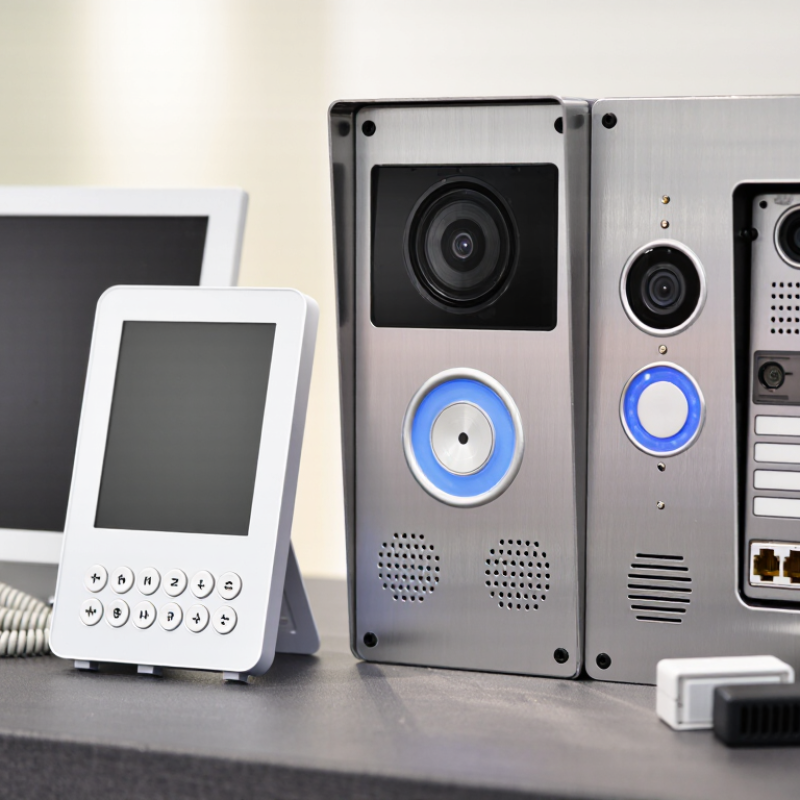
Table of Contents [Hide]
What Is a Skynex Video Door Phone and How Does It Work?
A video door phone links an outdoor camera and call panel to an indoor screen or compatible phone. When a visitor presses the call button, the indoor unit rings and displays live video. A microphone and speaker let both sides speak without opening the door. Some systems also offer remote viewing, but this depends on the model, wiring, and network setup.
The camera usually sits near the entrance, angled to show a visitor’s face and the area around the doorway. Indoors, a monitor displays the image and provides controls for answering or activating an electric door lock. The connection may use dedicated cables, a local network, or both. Installation quality matters: a poorly aimed camera or weak Wi-Fi can make a useful system frustrating. Small details count.
Tips: Test the picture at night and in bright sunlight. Keep the lens clear, and check that the indoor unit can hear the outdoor panel. Before choosing a system, confirm its power requirements and lock compatibility. One point is easy to miss: a phone notification is helpful, but it should not replace checking who is at the door.

© Copyright - Pro Tool & Supply - Site by SVM E-Marketing Solutions - Sitemap
- Privacy policy