- Products
- Air Compressors & Air Tools
- Climate Control
- Compaction Equipment
- Concrete Cutting Tools & Equipment
- Concrete and Masonry
- Demolition & Excavation
- Electrical & Mechanical
- Fasteners and Anchoring Adhesives
- Floor Protection
- Generators and Welders
- Hand Tools
- Heaters
- Janitorial and Office Supplies
- Jobsite Protection
- Ladders & Storage
- Lighting & Lighting Accessories
- Man Lifts
- Material Handling Equipment
- Power Tools
- Pressure Washers & Pumps
- Safety Gear
- Safety Products
- Saws
- Surface Preparation
- SEASONAL PRODUCTS
- Rentals
- Air Compressor and Air Tool Rentals
- Climate Control Rental
- Compaction Rentals
- Concrete Equipment Rentals
- Demolition & Excavation Equipment Rentals
- Concrete Floor Grinder Rentals
- General Construction Equipment Rentals
- Generator Rentals and Welder Rentals
- Heater Rentals
- Light Tower Rentals
- Man Lift Rentals in Massachusetts and Rhode Island
- Material Handling Equipment Rentals
- Pressure Washer & Pump Rentals
- Saw Rentals in New England
- SEASONAL PRODUCTS
- Products
- Air Compressors & Air Tools
- Climate Control
- Compaction Equipment
- Concrete Cutting Tools & Equipment
- Demolition & Excavation
- Electrical & Mechanical
- Floor Protection
- Generators and Welders
- Construction Heaters
- Construction Ladders, Staging, & Storage
- Construction Lighting
- Man Lifts
- Material Handling Equipment
- Industrial Janitorial and Office Supplies
- Pressure Washers & Pumps
- Construction Safety Products
- Construction Safety Gear
- Surface Preparation
- Building Protection
- Diesel Accessories
- Zero Emissions
- Rentals
- Air Compressor and Air Tool Rentals
- Climate Control Rental
- Compaction Rentals
- Concrete Equipment Rental
- Demolition & Excavation Equipment Rental
- General Construction Equipment Rental
- Generator Rentals and Welder Rentals
- Construction Heaters Rental
- Light Tower Rentals
- Man Lift Rentals
- Material Handling Equipment Rental
- Pressure Washer & Pump Rentals
- Saw Rentals in New England
- Concrete Floor Grinder Rentals
- Zero Emissions Rentals
- Repairs & Used
- Parts
- Blog
- Services
- Resources
- About Us
- Contact Us
Sales & Rental of Construction | Industrial Equipment & Supplies


China Top Friction Kelly Bar Manufacturer and Supplier
China’s role as a major construction-equipment manufacturing base makes supplier selection important for foundation contractors. A Friction Kelly bar must transfer rotary torque while extending through changing drilling depths. On site, small details matter: square Kelly interfaces, welded joints, bar straightness, and clear length markings. A poor fit can mean lost time beside an idle rig.
The scale of construction helps explain the demand for dependable equipment. Global Construction Perspectives and Oxford Economics projected in Global Construction 2030 that worldwide construction output would grow by 85%, reaching US$15.5 trillion by 2030. That is a long-range forecast, not a guarantee, and the report does not isolate Kelly bars. Still, it signals why contractors compare manufacturing quality, customization, delivery, and after-sales support. Check the actual bar dimensions and rig compatibility—not just the catalogue headline.
There is one credibility issue worth stating plainly: no verifiable, named Friction Kelly bar specialist or published quotation was provided for this introduction. I will not invent an expert or attribute a fabricated sentence to one. A useful technical review should instead verify material specifications, weld inspection records, and performance claims against documented tests. That takes effort. It can also prevent an expensive mismatch.
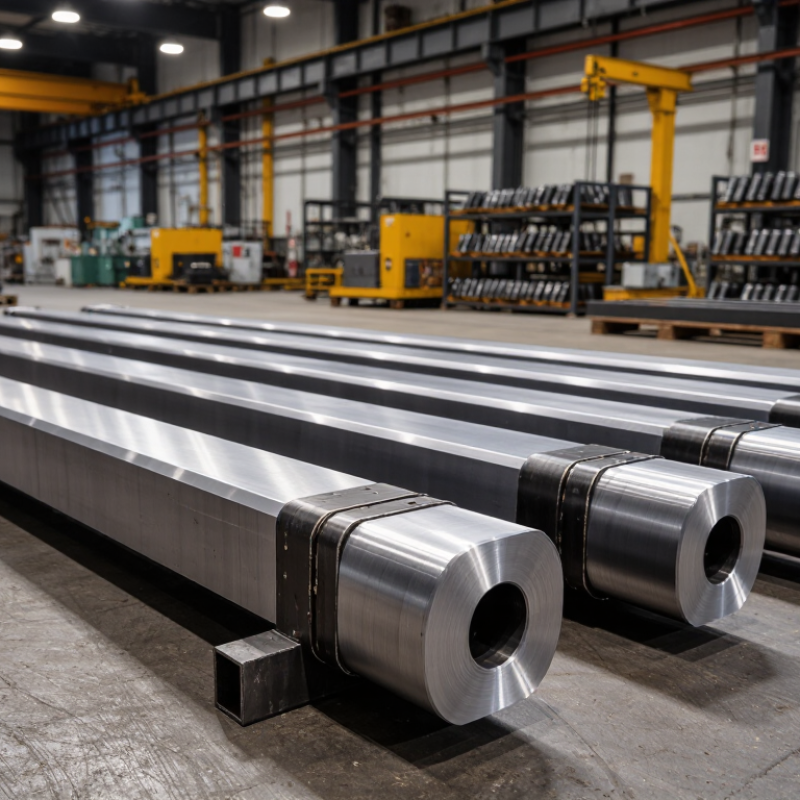
Table of Contents [Hide]
What Is a Friction Kelly Bar?
A friction Kelly bar is a telescopic drill string that transfers rotary torque from a piling rig to its drilling tool. Nested steel sections slide inside one another, with friction between their contact surfaces transmitting the drive. Unlike an interlocking bar, it has no locking ribs to engage at set depths. Simple in concept. The rig’s torque and crowd force help extend the sections as the tool advances.
This design suits many bored-pile jobs where drilling depth and ground conditions are within the bar’s working range. Operators should match the bar’s torque rating, length, and section configuration to the rig and the planned bore. On site, check for worn contact surfaces, dents, and debris between sections; any of these can affect extension or torque transfer. A friction bar may not be the best choice for every formation, especially when high torque or repeated hard-layer drilling is expected. That trade-off deserves attention.
The Global Infrastructure Hub’s 2017 Global Infrastructure Outlook estimated $94 trillion in infrastructure investment needs through 2040, with a $15 trillion shortfall. The figure signals sustained demand for infrastructure, but it does not predict demand for any specific drilling tool. For buyers, job-specific engineering data matters more than broad market forecasts.

© Copyright - Pro Tool & Supply - Site by SVM E-Marketing Solutions - Sitemap
- Privacy policy