- Products
- Air Compressors & Air Tools
- Climate Control
- Compaction Equipment
- Concrete Cutting Tools & Equipment
- Concrete and Masonry
- Demolition & Excavation
- Electrical & Mechanical
- Fasteners and Anchoring Adhesives
- Floor Protection
- Generators and Welders
- Hand Tools
- Heaters
- Janitorial and Office Supplies
- Jobsite Protection
- Ladders & Storage
- Lighting & Lighting Accessories
- Man Lifts
- Material Handling Equipment
- Power Tools
- Pressure Washers & Pumps
- Safety Gear
- Safety Products
- Saws
- Surface Preparation
- SEASONAL PRODUCTS
- Rentals
- Air Compressor and Air Tool Rentals
- Climate Control Rental
- Compaction Rentals
- Concrete Equipment Rentals
- Demolition & Excavation Equipment Rentals
- Concrete Floor Grinder Rentals
- General Construction Equipment Rentals
- Generator Rentals and Welder Rentals
- Heater Rentals
- Light Tower Rentals
- Man Lift Rentals in Massachusetts and Rhode Island
- Material Handling Equipment Rentals
- Pressure Washer & Pump Rentals
- Saw Rentals in New England
- SEASONAL PRODUCTS
- Products
- Air Compressors & Air Tools
- Climate Control
- Compaction Equipment
- Concrete Cutting Tools & Equipment
- Demolition & Excavation
- Electrical & Mechanical
- Floor Protection
- Generators and Welders
- Construction Heaters
- Construction Ladders, Staging, & Storage
- Construction Lighting
- Man Lifts
- Material Handling Equipment
- Industrial Janitorial and Office Supplies
- Pressure Washers & Pumps
- Construction Safety Products
- Construction Safety Gear
- Surface Preparation
- Building Protection
- Diesel Accessories
- Zero Emissions
- Rentals
- Air Compressor and Air Tool Rentals
- Climate Control Rental
- Compaction Rentals
- Concrete Equipment Rental
- Demolition & Excavation Equipment Rental
- General Construction Equipment Rental
- Generator Rentals and Welder Rentals
- Construction Heaters Rental
- Light Tower Rentals
- Man Lift Rentals
- Material Handling Equipment Rental
- Pressure Washer & Pump Rentals
- Saw Rentals in New England
- Concrete Floor Grinder Rentals
- Zero Emissions Rentals
- Repairs & Used
- Parts
- Blog
- Services
- Resources
- About Us
- Contact Us
Sales & Rental of Construction | Industrial Equipment & Supplies


China Top Asphalt Tank Manufacturers for Global Buyers
China’s asphalt equipment sector is becoming increasingly important for global road contractors. Asphalt Tank manufacturers now compete on thermal stability, insulation, pumping accuracy, safety design, and delivery reliability. These details matter when bitumen travels long distances or remains heated overnight.
The National Asphalt Pavement Association’s annual industry surveys consistently show strong use of reclaimed asphalt pavement in the United States. This trend increases demand for controlled heating and dependable material handling. The International Energy Agency also identifies transport infrastructure efficiency as an important part of reducing energy use and emissions. An efficient Asphalt Tank can support that goal through better insulation, automated temperature control, and reduced heat loss.
Mike Acott, former President of the National Asphalt Pavement Association, said, “Asphalt pavement is America’s most recycled material.” His statement highlights a practical point. Tank performance affects more than storage. It influences material quality, fuel consumption, maintenance schedules, and project continuity.
Chinese manufacturers offer varied designs, including horizontal tanks, vertical tanks, mobile units, and electric or thermal-oil heating systems. Global buyers should examine weld quality, heating uniformity, insulation thickness, control-system accuracy, and after-sales support. Factory photographs are not enough. Request test records, component specifications, and operating references.
The market is not perfectly transparent. Some product claims need independent verification. That deserves attention. A low purchase price may hide higher fuel use, difficult cleaning, or delayed spare parts. Reliable suppliers should provide traceable documentation and realistic performance data. For international projects, the best Asphalt Tank is not simply the largest model. It is the model that maintains temperature steadily, travels safely, and performs consistently under local operating conditions.
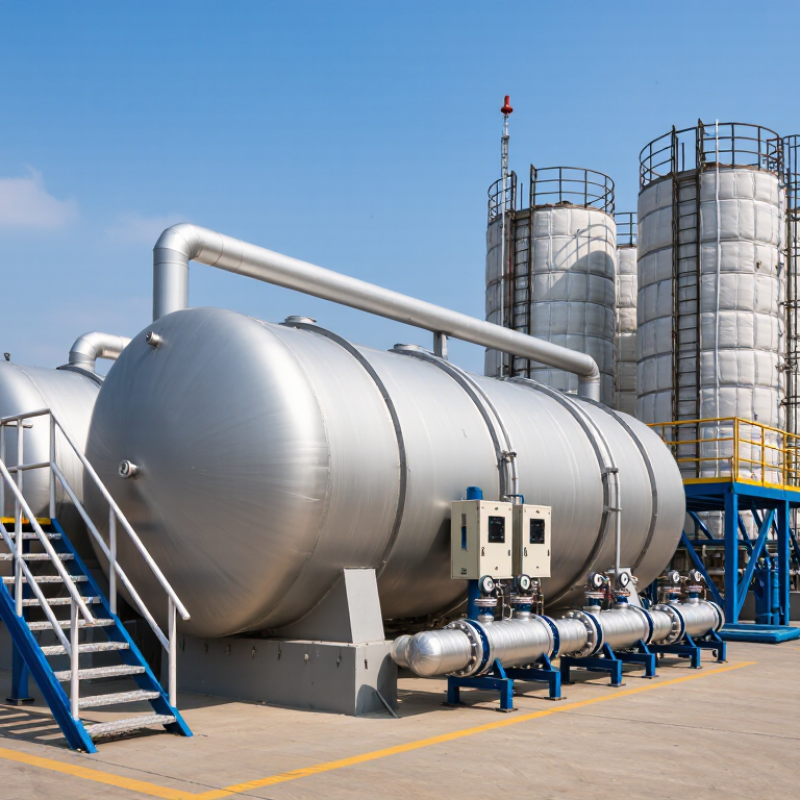
Table of Contents [Hide]
Asphalt Tanks: Definition, Functions, and Main Applications
An asphalt tank is an insulated vessel designed to store and manage liquid asphalt. It maintains controlled heat, prevents premature hardening, and supports steady material discharge. Unlike ordinary steel storage tanks, it uses thermal insulation, heating coils, temperature sensors, and carefully sized outlets. That distinction matters. A tank may hold thousands of litres, but capacity alone does not determine performance. In field operations, poor insulation often causes cold spots, uneven flow, and unnecessary fuel use.
Its main function is temperature control. Many paving-grade asphalts require storage around 140–180°C, although the correct range depends on the material specification. Direct or indirect heating systems can raise temperature gradually and reduce local overheating. Pumps then transfer asphalt to mixing plants, road-construction equipment, or loading systems. Reliable level indicators, pressure controls, emergency shutoffs, and accessible maintenance points are essential details. Small design omissions can create expensive delays.
Asphalt tanks serve road contractors, asphalt mixing plants, infrastructure projects, waterproofing producers, and industrial maintenance teams. Horizontal tanks suit large fixed installations, while vertical or mobile designs may support limited sites and changing project locations. Global buyers should examine steel quality, insulation thickness, heating uniformity, corrosion protection, and documented testing. Certification documents help, but they do not replace a practical inspection. Real performance can still differ after installation, especially when local weather, fuel quality, and operator training are overlooked.

© Copyright - Pro Tool & Supply - Site by SVM E-Marketing Solutions - Sitemap
- Privacy policy