- Products
- Air Compressors & Air Tools
- Climate Control
- Compaction Equipment
- Concrete Cutting Tools & Equipment
- Concrete and Masonry
- Demolition & Excavation
- Electrical & Mechanical
- Fasteners and Anchoring Adhesives
- Floor Protection
- Generators and Welders
- Hand Tools
- Heaters
- Janitorial and Office Supplies
- Jobsite Protection
- Ladders & Storage
- Lighting & Lighting Accessories
- Man Lifts
- Material Handling Equipment
- Power Tools
- Pressure Washers & Pumps
- Safety Gear
- Safety Products
- Saws
- Surface Preparation
- SEASONAL PRODUCTS
- Rentals
- Air Compressor and Air Tool Rentals
- Climate Control Rental
- Compaction Rentals
- Concrete Equipment Rentals
- Demolition & Excavation Equipment Rentals
- Concrete Floor Grinder Rentals
- General Construction Equipment Rentals
- Generator Rentals and Welder Rentals
- Heater Rentals
- Light Tower Rentals
- Man Lift Rentals in Massachusetts and Rhode Island
- Material Handling Equipment Rentals
- Pressure Washer & Pump Rentals
- Saw Rentals in New England
- SEASONAL PRODUCTS
- Products
- Air Compressors & Air Tools
- Climate Control
- Compaction Equipment
- Concrete Cutting Tools & Equipment
- Demolition & Excavation
- Electrical & Mechanical
- Floor Protection
- Generators and Welders
- Construction Heaters
- Construction Ladders, Staging, & Storage
- Construction Lighting
- Man Lifts
- Material Handling Equipment
- Industrial Janitorial and Office Supplies
- Pressure Washers & Pumps
- Construction Safety Products
- Construction Safety Gear
- Surface Preparation
- Building Protection
- Diesel Accessories
- Zero Emissions
- Rentals
- Air Compressor and Air Tool Rentals
- Climate Control Rental
- Compaction Rentals
- Concrete Equipment Rental
- Demolition & Excavation Equipment Rental
- General Construction Equipment Rental
- Generator Rentals and Welder Rentals
- Construction Heaters Rental
- Light Tower Rentals
- Man Lift Rentals
- Material Handling Equipment Rental
- Pressure Washer & Pump Rentals
- Saw Rentals in New England
- Concrete Floor Grinder Rentals
- Zero Emissions Rentals
- Repairs & Used
- Parts
- Blog
- Services
- Resources
- About Us
- Contact Us
Sales & Rental of Construction | Industrial Equipment & Supplies

Best Welded Stainless Steel Pipe Suppliers in China?
Finding a dependable Chinese supplier for Welded Stainless Steel Pipe takes more than comparing prices. A pipe’s grade, dimensions, wall thickness, weld quality, and finish must suit its intended service. In process lines, food equipment, or building systems, small differences can affect installation and maintenance. China has many manufacturers and exporters, but their capabilities vary by product range and quality controls. There is no single best choice for every buyer. Clear requirements matter.
Ask suppliers for product data, material documentation, inspection records, and details about available testing. Confirm that quoted tolerances, lengths, surface finishes, and packaging match your specification. If possible, review a sample or arrange an independent inspection before placing a large order. Ask how the supplier handles nonconforming products and delivery changes. Details matter. A low quote can look convincing, yet leave important requirements unanswered. Even careful checks cannot remove every risk; specifications may still be interpreted differently.
This guide compares practical factors for evaluating welded pipe suppliers in China, including manufacturing scope, documentation, communication, and order support. It does not assume that the largest factory or lowest price is automatically the right fit. Instead, it helps buyers prepare useful questions and compare offers on consistent terms. Verify claims against your project needs and qualified technical advice. A sound choice begins with evidence, not a polished sales promise.
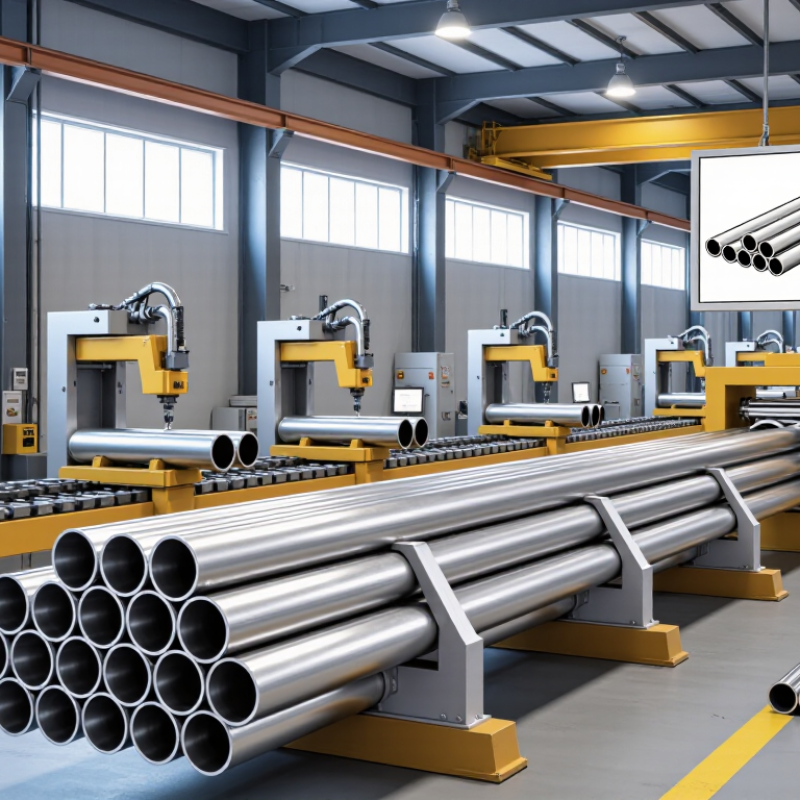
Table of Contents [Hide]
How to Define a Reliable Welded Stainless Steel Pipe Supplier
A reliable welded stainless steel pipe supplier can explain how each pipe is made, tested, and identified. Ask about the steel grade, wall thickness tolerance, welding method, and surface finish. Clear answers matter. Vague claims about “premium quality” do not. Request material test certificates and confirm that heat numbers can be traced from the document to the pipe bundle.
Look closely at the inspection process. A capable supplier should describe checks for dimensions, weld appearance, and relevant pressure or nondestructive testing requirements. Ask for a sample inspection report, with sensitive commercial details removed if necessary. Check whether its measurements match your purchase specification. A certificate alone is not enough if nobody can explain what was tested. Small gaps between records and delivered goods can create costly delays.
Communication is part of quality, too. Notice whether staff confirm technical details in writing, flag unclear requirements, and give realistic production dates. Ask how packaging protects pipe ends and polished surfaces during shipment; even good material can arrive scratched or contaminated. One weakness is easy to overlook: a supplier may perform well on samples but struggle with a large order. Consider a trial order and review the inspection records before increasing volume. Perfect promises deserve careful questions.
© Copyright - Pro Tool & Supply - Site by SVM E-Marketing Solutions - Sitemap
- Privacy policy