- Products
- Air Compressors & Air Tools
- Climate Control
- Compaction Equipment
- Concrete Cutting Tools & Equipment
- Concrete and Masonry
- Demolition & Excavation
- Electrical & Mechanical
- Fasteners and Anchoring Adhesives
- Floor Protection
- Generators and Welders
- Hand Tools
- Heaters
- Janitorial and Office Supplies
- Jobsite Protection
- Ladders & Storage
- Lighting & Lighting Accessories
- Man Lifts
- Material Handling Equipment
- Power Tools
- Pressure Washers & Pumps
- Safety Gear
- Safety Products
- Saws
- Surface Preparation
- SEASONAL PRODUCTS
- Rentals
- Air Compressor and Air Tool Rentals
- Climate Control Rental
- Compaction Rentals
- Concrete Equipment Rentals
- Demolition & Excavation Equipment Rentals
- Concrete Floor Grinder Rentals
- General Construction Equipment Rentals
- Generator Rentals and Welder Rentals
- Heater Rentals
- Light Tower Rentals
- Man Lift Rentals in Massachusetts and Rhode Island
- Material Handling Equipment Rentals
- Pressure Washer & Pump Rentals
- Saw Rentals in New England
- SEASONAL PRODUCTS
- Products
- Air Compressors & Air Tools
- Climate Control
- Compaction Equipment
- Concrete Cutting Tools & Equipment
- Demolition & Excavation
- Electrical & Mechanical
- Floor Protection
- Generators and Welders
- Construction Heaters
- Construction Ladders, Staging, & Storage
- Construction Lighting
- Man Lifts
- Material Handling Equipment
- Industrial Janitorial and Office Supplies
- Pressure Washers & Pumps
- Construction Safety Products
- Construction Safety Gear
- Surface Preparation
- Building Protection
- Diesel Accessories
- Zero Emissions
- Rentals
- Air Compressor and Air Tool Rentals
- Climate Control Rental
- Compaction Rentals
- Concrete Equipment Rental
- Demolition & Excavation Equipment Rental
- General Construction Equipment Rental
- Generator Rentals and Welder Rentals
- Construction Heaters Rental
- Light Tower Rentals
- Man Lift Rentals
- Material Handling Equipment Rental
- Pressure Washer & Pump Rentals
- Saw Rentals in New England
- Concrete Floor Grinder Rentals
- Zero Emissions Rentals
- Repairs & Used
- Parts
- Blog
- Services
- Resources
- About Us
- Contact Us
Sales & Rental of Construction | Industrial Equipment & Supplies


China Best Chrome Plated Valve Supplier?
Choosing the best China Chrome Plated Valve supplier requires more than comparing catalog prices. Buyers should examine manufacturing experience, material control, machining accuracy, and after-sales support. A reliable supplier can explain each production stage, from brass or stainless-steel preparation to chrome plating, pressure testing, cleaning, and final inspection. Small details matter. A smooth surface should resist corrosion, while threads and sealing areas must remain precise.
Experienced manufacturers usually provide clear technical documents, including product drawings, dimensional tolerances, pressure ratings, plating specifications, and applicable test reports. They should also understand different applications, such as water systems, industrial equipment, heating installations, and sanitary pipelines. Factory audits can reveal practical evidence: organized workstations, calibrated testing equipment, traceable batches, and trained inspection staff. Photographs are useful, but direct verification is stronger.
However, no supplier is perfect. Some companies communicate well but offer limited customization. Others provide impressive samples yet struggle with consistent mass production. This is where careful questioning becomes valuable. Ask about raw-material certificates, salt-spray testing, leakage inspection, packaging protection, and replacement procedures. Request a sample before placing a large order.
The best choice depends on the buyer’s working conditions, compliance needs, delivery schedule, and expected service life. A dependable China Chrome Plated Valve supplier should not simply promise quality. It should demonstrate it through records, testing, responsive communication, and stable production. That evidence builds confidence, although every claim still deserves independent review.
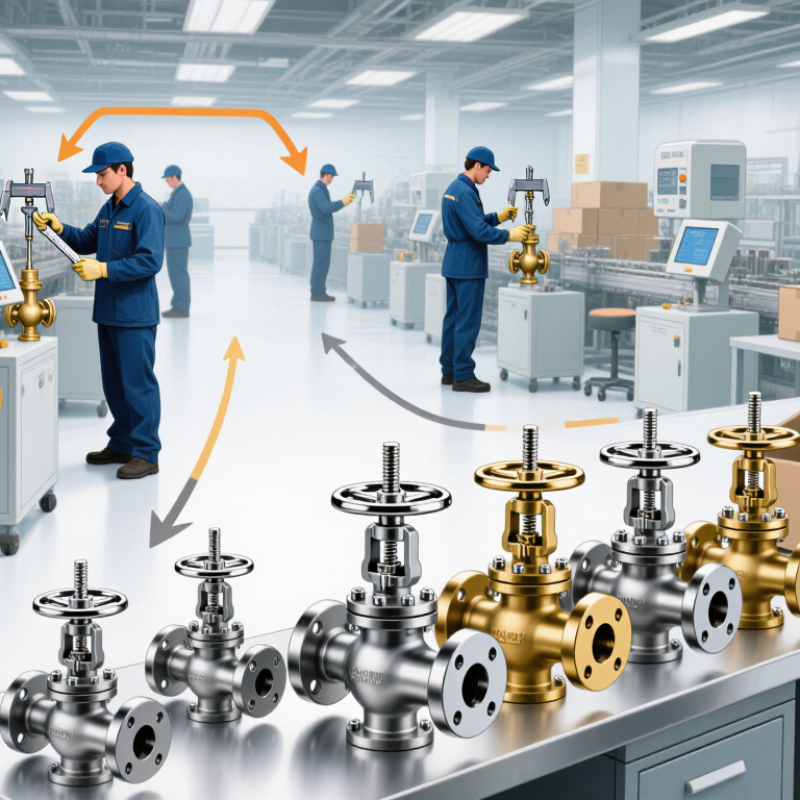
Table of Contents [Hide]
What Is a Chrome-Plated Valve?
A chrome-plated valve is a valve with a thin chromium layer applied to its working surface. It is not solid chrome. The base is usually steel, stainless steel, or another engineered metal. Chrome plating improves surface hardness, wear resistance, and visual cleanliness. It can also reduce friction around moving parts, especially in frequently operated valves.
During valve inspections, I look closely at the stem, seat, and sealing area. Small scratches can expose the underlying metal. Peeling or uneven plating may indicate poor surface preparation or excessive operating stress.
A smooth, bright finish looks attractive, but appearance alone proves little. Plating thickness, adhesion, substrate quality, and machining accuracy matter more. This is where many buyers make a mistake.
Chrome-plated valves suit systems that need durable surfaces and moderate corrosion protection. They may perform well in water, air, and selected industrial applications. However, chrome plating is not universal protection. Strong chemicals, high temperatures, abrasive particles, or unsuitable seals can shorten service life. Check pressure ratings and temperature limits carefully. Ask for material certificates, coating details, and inspection records. I would also test several samples before approving a large order. It takes more time, but one failed valve can contaminate a whole installation with unexpected maintenance.

© Copyright - Pro Tool & Supply - Site by SVM E-Marketing Solutions - Sitemap
- Privacy policy