- Products
- Air Compressors & Air Tools
- Climate Control
- Compaction Equipment
- Concrete Cutting Tools & Equipment
- Concrete and Masonry
- Demolition & Excavation
- Electrical & Mechanical
- Fasteners and Anchoring Adhesives
- Floor Protection
- Generators and Welders
- Hand Tools
- Heaters
- Janitorial and Office Supplies
- Jobsite Protection
- Ladders & Storage
- Lighting & Lighting Accessories
- Man Lifts
- Material Handling Equipment
- Power Tools
- Pressure Washers & Pumps
- Safety Gear
- Safety Products
- Saws
- Surface Preparation
- SEASONAL PRODUCTS
- Rentals
- Air Compressor and Air Tool Rentals
- Climate Control Rental
- Compaction Rentals
- Concrete Equipment Rentals
- Demolition & Excavation Equipment Rentals
- Concrete Floor Grinder Rentals
- General Construction Equipment Rentals
- Generator Rentals and Welder Rentals
- Heater Rentals
- Light Tower Rentals
- Man Lift Rentals in Massachusetts and Rhode Island
- Material Handling Equipment Rentals
- Pressure Washer & Pump Rentals
- Saw Rentals in New England
- SEASONAL PRODUCTS
- Products
- Air Compressors & Air Tools
- Climate Control
- Compaction Equipment
- Concrete Cutting Tools & Equipment
- Demolition & Excavation
- Electrical & Mechanical
- Floor Protection
- Generators and Welders
- Construction Heaters
- Construction Ladders, Staging, & Storage
- Construction Lighting
- Man Lifts
- Material Handling Equipment
- Industrial Janitorial and Office Supplies
- Pressure Washers & Pumps
- Construction Safety Products
- Construction Safety Gear
- Surface Preparation
- Building Protection
- Diesel Accessories
- Zero Emissions
- Rentals
- Air Compressor and Air Tool Rentals
- Climate Control Rental
- Compaction Rentals
- Concrete Equipment Rental
- Demolition & Excavation Equipment Rental
- General Construction Equipment Rental
- Generator Rentals and Welder Rentals
- Construction Heaters Rental
- Light Tower Rentals
- Man Lift Rentals
- Material Handling Equipment Rental
- Pressure Washer & Pump Rentals
- Saw Rentals in New England
- Concrete Floor Grinder Rentals
- Zero Emissions Rentals
- Repairs & Used
- Parts
- Blog
- Services
- Resources
- About Us
- Contact Us
Sales & Rental of Construction | Industrial Equipment & Supplies


Why Choose Cast Iron Castings for Global Sourcing?
Global sourcing brings cost and capacity options, but distance makes quality harder to judge. Cast Iron Castings remain widely specified for pump housings, machine bases, valve bodies, and other components that need strength and dependable production. A well-made casting can combine useful wear resistance with shapes that might otherwise require multiple fabricated parts. That can simplify assembly. It is not automatic. Good drawings and process control matter as much as the material.
John Campbell, a respected casting researcher and author, has written: “The quality of a casting is determined by the quality of the liquid metal.” His observation points buyers toward foundry practice, not just quotations. For global buyers, practical checks include reviewing material specifications, sample parts, inspection records, and dimensional reports. Ask how the foundry controls melt chemistry, mold preparation, cooling, and finishing. A clean surface in a catalog photo proves little. Details matter. Where possible, compare a first article against the drawing and agree on acceptance criteria before volume orders begin.
A supplier’s capability, communication, and traceability may be as important as the unit price. The lowest quote can become expensive after rework, delayed shipments, or inconsistent batches. Yet cast iron is not right for every component; weight, corrosion exposure, and operating loads deserve scrutiny. That is a useful pause. Freight, tooling, and lead times also change the landed cost, sometimes more than buyers expect. A careful sourcing plan tests these assumptions early, then revisits them when production data arrives. No checklist removes every risk. But transparent specifications and steady quality reviews give teams firmer ground when selecting Cast Iron Castings across borders.
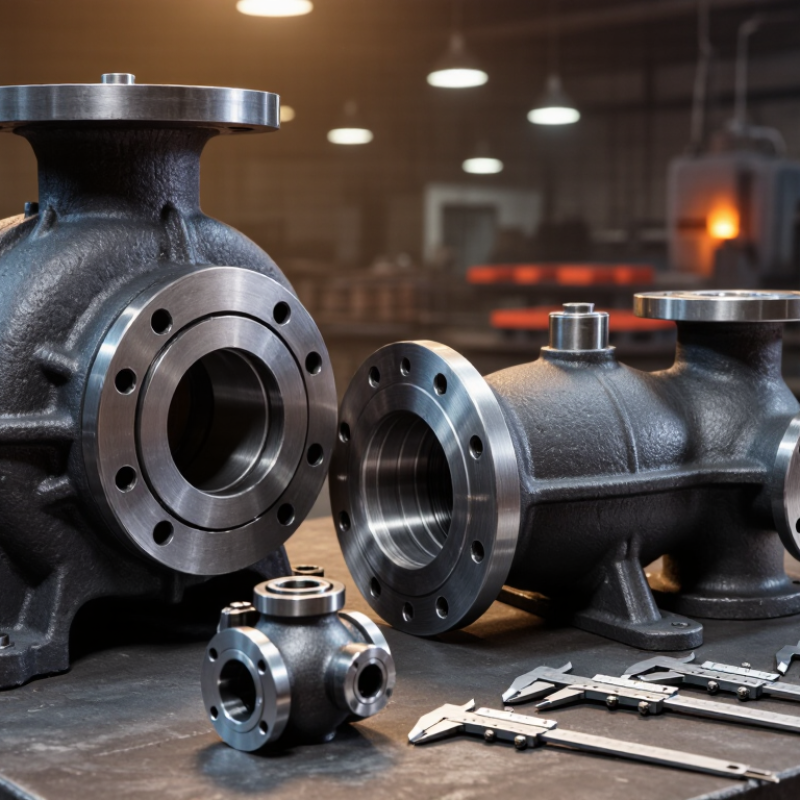
Table of Contents [Hide]
What Cast Iron Castings Are and How They Are Produced
Cast iron is an iron-carbon alloy shaped by pouring molten metal into a prepared mold. Its carbon content helps the metal flow into detailed cavities, then harden into a rigid component. Foundries commonly melt iron with carefully selected recycled or virgin materials. Operators monitor temperature and composition because small changes can affect strength, hardness, and machinability. The details matter. Before pouring, the mold is formed around a pattern, which creates the intended shape and allowances for shrinkage. Sand molds are widely used, though other mold systems suit particular production needs.
Molten iron enters the mold through channels designed to guide flow and reduce turbulence. Once the casting cools, workers remove the mold material, trim gates, and clean the surface. Some parts receive heat treatment or machining to meet dimensional requirements. Inspection may include visual checks, measurements, and testing suited to the part’s function. A rough surface is not automatically a defect, but cracks or dimensions outside specification need attention. The process is not perfectly tidy: mold design, cooling, and material control all involve trade-offs. For global sourcing, clear drawings and agreed inspection criteria help buyers and foundries discuss those trade-offs before production begins. No process eliminates every variation.

© Copyright - Pro Tool & Supply - Site by SVM E-Marketing Solutions - Sitemap
- Privacy policy