- Products
- Air Compressors & Air Tools
- Climate Control
- Compaction Equipment
- Concrete Cutting Tools & Equipment
- Concrete and Masonry
- Demolition & Excavation
- Electrical & Mechanical
- Fasteners and Anchoring Adhesives
- Floor Protection
- Generators and Welders
- Hand Tools
- Heaters
- Janitorial and Office Supplies
- Jobsite Protection
- Ladders & Storage
- Lighting & Lighting Accessories
- Man Lifts
- Material Handling Equipment
- Power Tools
- Pressure Washers & Pumps
- Safety Gear
- Safety Products
- Saws
- Surface Preparation
- SEASONAL PRODUCTS
- Rentals
- Air Compressor and Air Tool Rentals
- Climate Control Rental
- Compaction Rentals
- Concrete Equipment Rentals
- Demolition & Excavation Equipment Rentals
- Concrete Floor Grinder Rentals
- General Construction Equipment Rentals
- Generator Rentals and Welder Rentals
- Heater Rentals
- Light Tower Rentals
- Man Lift Rentals in Massachusetts and Rhode Island
- Material Handling Equipment Rentals
- Pressure Washer & Pump Rentals
- Saw Rentals in New England
- SEASONAL PRODUCTS
- Products
- Air Compressors & Air Tools
- Climate Control
- Compaction Equipment
- Concrete Cutting Tools & Equipment
- Demolition & Excavation
- Electrical & Mechanical
- Floor Protection
- Generators and Welders
- Construction Heaters
- Construction Ladders, Staging, & Storage
- Construction Lighting
- Man Lifts
- Material Handling Equipment
- Industrial Janitorial and Office Supplies
- Pressure Washers & Pumps
- Construction Safety Products
- Construction Safety Gear
- Surface Preparation
- Building Protection
- Diesel Accessories
- Zero Emissions
- Rentals
- Air Compressor and Air Tool Rentals
- Climate Control Rental
- Compaction Rentals
- Concrete Equipment Rental
- Demolition & Excavation Equipment Rental
- General Construction Equipment Rental
- Generator Rentals and Welder Rentals
- Construction Heaters Rental
- Light Tower Rentals
- Man Lift Rentals
- Material Handling Equipment Rental
- Pressure Washer & Pump Rentals
- Saw Rentals in New England
- Concrete Floor Grinder Rentals
- Zero Emissions Rentals
- Repairs & Used
- Parts
- Blog
- Services
- Resources
- About Us
- Contact Us
Sales & Rental of Construction | Industrial Equipment & Supplies


What Is a Carding Machine and How Does It Work?
A Carding Machine is a key preparation system in modern textile spinning. It opens compressed fiber tufts, separates individual fibers, removes impurities, and forms a more uniform web. That web later becomes sliver for drawing and spinning.
Its importance is easy to see on the factory floor. Cotton enters as a rough, compact mass. Inside the machine, rotating cylinders covered with fine metallic wire gently tease the fibers apart. Flats and swift surfaces then help align them. Small adjustments can affect neps, fiber loss, unevenness, and yarn quality.
Textile technologist Wolfgang Klein described carding as “the heart of spinning.” The phrase remains useful, although it simplifies a complicated process. Carding cannot repair every raw-material problem. It must work with fiber length, moisture, contamination, and machine settings.
Industry data shows why this equipment still matters. Textile Exchange’s Materials Market Report 2024 estimated global fiber production at 124 million tonnes in 2023. It projects production could reach 160 million tonnes by 2030. The International Textile Machinery Federation also continues to track strong global investment in spinning equipment, especially across Asian manufacturing regions.
These figures provide context, not a complete performance guarantee. A newer Carding Machine may improve automation and monitoring, yet poor maintenance can still create uneven sliver. Operators must inspect clothing condition, airflow, waste levels, and cylinder settings. The best results come from matching machine design with the fiber blend and production target. That practical detail is sometimes overlooked.
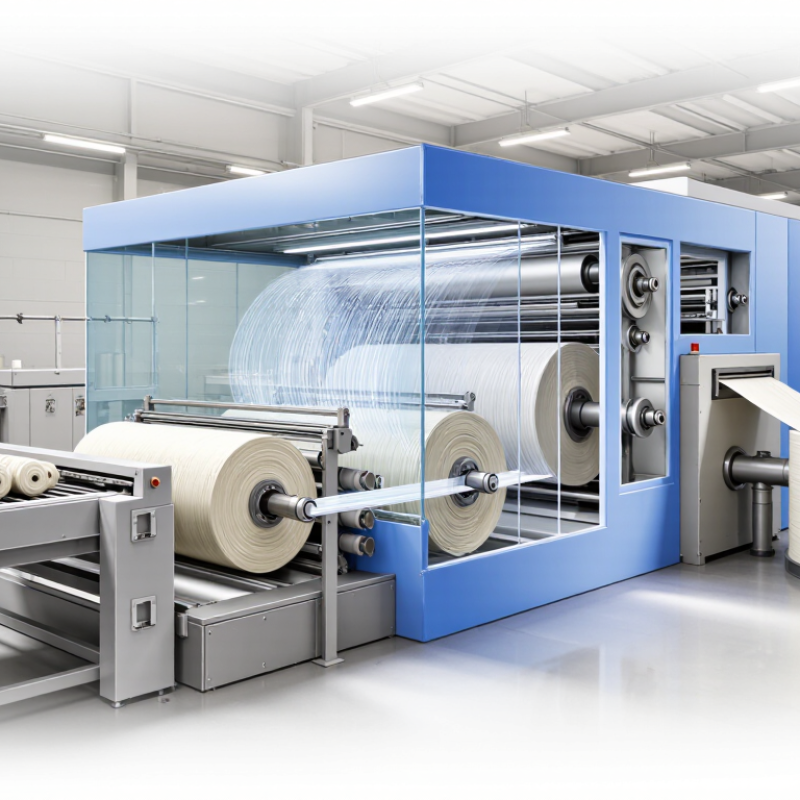
Table of Contents [Hide]
What Is a Carding Machine?
A carding machine is a textile machine that prepares loose fibers for spinning. It opens compressed fiber tufts and separates tangled strands. Fine wire-covered surfaces move the fibers in controlled directions. The result is a soft, even web called a carded batt or sliver.
Inside the machine, a large cylinder turns against smaller rollers. Their surfaces carry tiny teeth that remove dirt, loosen knots, and align fibers. Different settings affect the final texture. Faster movement may improve production, but excessive speed can break delicate fibers.
In practical use, operators inspect the output by touch and sight. Uneven thickness, fuzzy patches, or short fiber clumps often signal poor adjustment. I have found that small changes matter more than expected. The machine is precise, yet it still needs human judgment.
Tips: Keep the feed consistent and avoid overloading the intake. Check wire clothing for damage before operation. Clean trapped lint regularly, especially around rollers and ventilation points. Wear suitable protective equipment and follow the machine’s safety instructions. Record useful settings for each fiber type, but do not treat old notes as perfect rules. Temperature, moisture, and fiber condition can change the result.
© Copyright - Pro Tool & Supply - Site by SVM E-Marketing Solutions - Sitemap
- Privacy policy