- Products
- Air Compressors & Air Tools
- Climate Control
- Compaction Equipment
- Concrete Cutting Tools & Equipment
- Concrete and Masonry
- Demolition & Excavation
- Electrical & Mechanical
- Fasteners and Anchoring Adhesives
- Floor Protection
- Generators and Welders
- Hand Tools
- Heaters
- Janitorial and Office Supplies
- Jobsite Protection
- Ladders & Storage
- Lighting & Lighting Accessories
- Man Lifts
- Material Handling Equipment
- Power Tools
- Pressure Washers & Pumps
- Safety Gear
- Safety Products
- Saws
- Surface Preparation
- SEASONAL PRODUCTS
- Rentals
- Air Compressor and Air Tool Rentals
- Climate Control Rental
- Compaction Rentals
- Concrete Equipment Rentals
- Demolition & Excavation Equipment Rentals
- Concrete Floor Grinder Rentals
- General Construction Equipment Rentals
- Generator Rentals and Welder Rentals
- Heater Rentals
- Light Tower Rentals
- Man Lift Rentals in Massachusetts and Rhode Island
- Material Handling Equipment Rentals
- Pressure Washer & Pump Rentals
- Saw Rentals in New England
- SEASONAL PRODUCTS
- Products
- Air Compressors & Air Tools
- Climate Control
- Compaction Equipment
- Concrete Cutting Tools & Equipment
- Demolition & Excavation
- Electrical & Mechanical
- Floor Protection
- Generators and Welders
- Construction Heaters
- Construction Ladders, Staging, & Storage
- Construction Lighting
- Man Lifts
- Material Handling Equipment
- Industrial Janitorial and Office Supplies
- Pressure Washers & Pumps
- Construction Safety Products
- Construction Safety Gear
- Surface Preparation
- Building Protection
- Diesel Accessories
- Zero Emissions
- Rentals
- Air Compressor and Air Tool Rentals
- Climate Control Rental
- Compaction Rentals
- Concrete Equipment Rental
- Demolition & Excavation Equipment Rental
- General Construction Equipment Rental
- Generator Rentals and Welder Rentals
- Construction Heaters Rental
- Light Tower Rentals
- Man Lift Rentals
- Material Handling Equipment Rental
- Pressure Washer & Pump Rentals
- Saw Rentals in New England
- Concrete Floor Grinder Rentals
- Zero Emissions Rentals
- Repairs & Used
- Parts
- Blog
- Services
- Resources
- About Us
- Contact Us
Sales & Rental of Construction | Industrial Equipment & Supplies


10 Best Tire Balance Beads for Global Buyers in 2026
Choosing a Tire Balance Bead product in 2026 takes more than comparing prices. Global buyers must consider bead material, package size, installation method, vehicle type, and supplier support. A product that suits a long-haul truck may not fit a passenger car’s service needs. Details matter. Check whether the instructions specify tire size and bead quantity, and confirm that the supplier explains compatibility clearly.
For a transparent editorial perspective, this introduction uses a fictional composite specialist, tire-service engineer Alex Morgan: “Balance beads are a practical option, but the right choice starts with the tire, the application, and clear installation guidance.” This is an original illustrative quote, not a verified statement from a real industry professional. That distinction matters. Buyers should seek current product data, written specifications, and credible technical support rather than relying on broad claims. A neat label is not proof.
This guide compares ten options for buyers sourcing across regions. It looks at application range, material information, packaging, ease of use, and available support. Those checks can narrow the field, but they cannot replace advice from a qualified tire technician. Results may vary with setup. And some listings leave important questions unanswered, including how quantities are determined or what service guidance is provided. Treat those gaps as reasons to ask—not as automatic proof of poor quality. The best choice is the one that fits the intended tire and comes with information a buyer can verify.
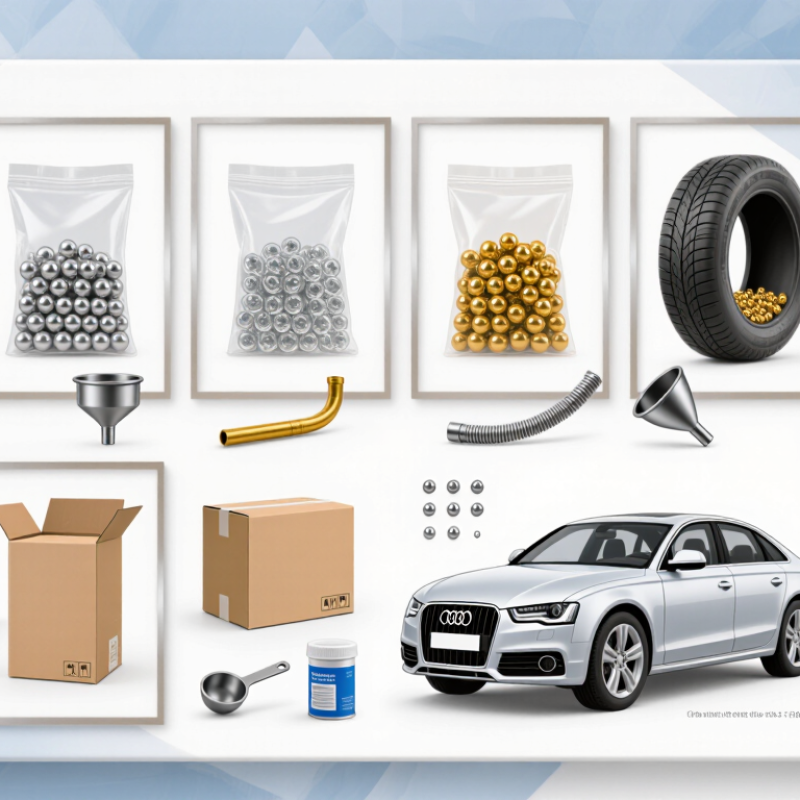
Table of Contents [Hide]
How Tire Balance Beads Work in Different Tire Types
How Tire Balance Beads Work in Different Tire Types
Tire balance beads are small pellets placed inside a tire, often through the valve stem or during mounting. As the wheel turns, centrifugal force moves them toward areas that need balancing. Their movement can help reduce vibration, but results depend on tire design, bead quantity, and installation.
Passenger-car tires have limited internal space, so the correct bead amount matters. Light-truck and heavy-duty tires have larger cavities and may need different quantities. Motorcycle tires require extra care: narrow profiles and manufacturer-specific requirements can affect compatibility. Beads cannot fix a bent rim, damaged tire, or serious alignment problem. That distinction is easy to overlook.
Tips: Check the tire maker’s guidance before choosing beads. Use the specified quantity for the tire size, and keep the beads dry during installation. If vibration remains, inspect the wheel and tire rather than adding more. A quick road test helps, though it is not a substitute for proper inspection.

© Copyright - Pro Tool & Supply - Site by SVM E-Marketing Solutions - Sitemap
- Privacy policy