- Products
- Air Compressors & Air Tools
- Climate Control
- Compaction Equipment
- Concrete Cutting Tools & Equipment
- Concrete and Masonry
- Demolition & Excavation
- Electrical & Mechanical
- Fasteners and Anchoring Adhesives
- Floor Protection
- Generators and Welders
- Hand Tools
- Heaters
- Janitorial and Office Supplies
- Jobsite Protection
- Ladders & Storage
- Lighting & Lighting Accessories
- Man Lifts
- Material Handling Equipment
- Power Tools
- Pressure Washers & Pumps
- Safety Gear
- Safety Products
- Saws
- Surface Preparation
- SEASONAL PRODUCTS
- Rentals
- Air Compressor and Air Tool Rentals
- Climate Control Rental
- Compaction Rentals
- Concrete Equipment Rentals
- Demolition & Excavation Equipment Rentals
- Concrete Floor Grinder Rentals
- General Construction Equipment Rentals
- Generator Rentals and Welder Rentals
- Heater Rentals
- Light Tower Rentals
- Man Lift Rentals in Massachusetts and Rhode Island
- Material Handling Equipment Rentals
- Pressure Washer & Pump Rentals
- Saw Rentals in New England
- SEASONAL PRODUCTS
- Products
- Air Compressors & Air Tools
- Climate Control
- Compaction Equipment
- Concrete Cutting Tools & Equipment
- Demolition & Excavation
- Electrical & Mechanical
- Floor Protection
- Generators and Welders
- Construction Heaters
- Construction Ladders, Staging, & Storage
- Construction Lighting
- Man Lifts
- Material Handling Equipment
- Industrial Janitorial and Office Supplies
- Pressure Washers & Pumps
- Construction Safety Products
- Construction Safety Gear
- Surface Preparation
- Building Protection
- Diesel Accessories
- Zero Emissions
- Rentals
- Air Compressor and Air Tool Rentals
- Climate Control Rental
- Compaction Rentals
- Concrete Equipment Rental
- Demolition & Excavation Equipment Rental
- General Construction Equipment Rental
- Generator Rentals and Welder Rentals
- Construction Heaters Rental
- Light Tower Rentals
- Man Lift Rentals
- Material Handling Equipment Rental
- Pressure Washer & Pump Rentals
- Saw Rentals in New England
- Concrete Floor Grinder Rentals
- Zero Emissions Rentals
- Repairs & Used
- Parts
- Blog
- Services
- Resources
- About Us
- Contact Us
Sales & Rental of Construction | Industrial Equipment & Supplies


What Is the Best Submersible Drainage Pump in 2026?
The best Submersible Drainage Pump in 2026 depends on the water, the site, and how often the pump must run. A model that clears a shallow basement puddle may struggle with a deep sump or water containing grit. Small differences matter. Discharge height, flow rate, solids-handling capacity, and float-switch design all affect real performance. A powerful rating on a box does not tell the whole story.
This guide compares pump types and practical features to help narrow the choices. It explains how to read flow and head specifications, check construction materials, and assess protections such as thermal overload shutoff. It also considers setup details: hose diameter, outlet position, power access, and whether the pump can sit flat in a narrow pit. Measure first. Guessing can be costly.
No single pump suits every property. Manufacturer figures are useful, but actual output can fall when water travels through a long or narrow hose. That detail is easy to overlook. The recommendations should be checked against your site conditions and the product’s current manual, since models and specifications can change. For standing water near electrical equipment, prioritize safe power arrangements and follow the manufacturer’s operating guidance. The aim is not to crown a universal winner, but to identify a reliable match for the job—and to be honest about the trade-offs.
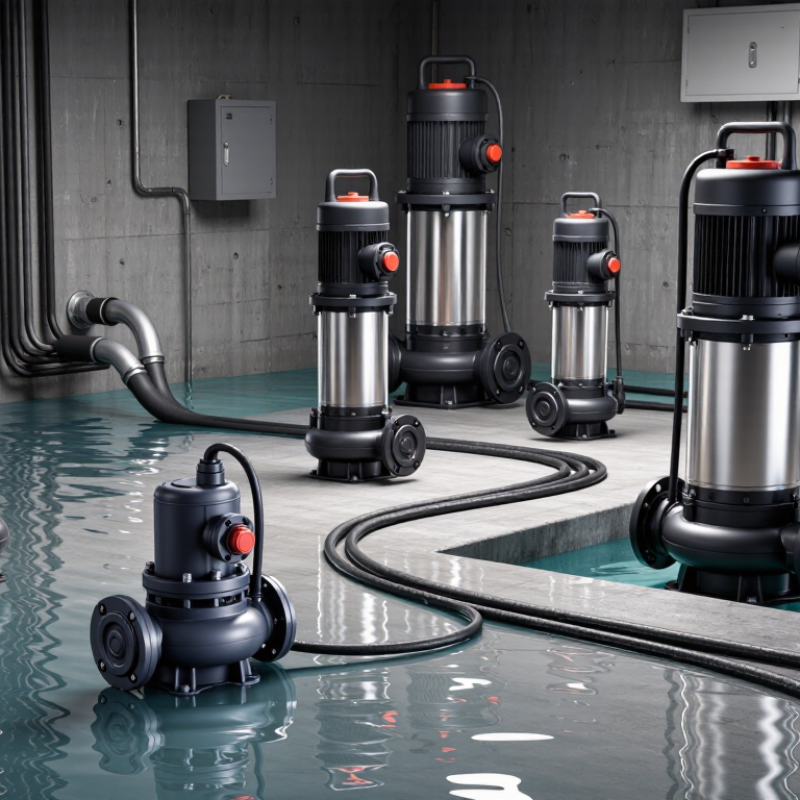
Table of Contents [Hide]
What a Submersible Drainage Pump Is and How It Works
A submersible drainage pump sits directly in the water it moves. Its sealed motor turns an impeller, pushing water through a discharge hose or pipe. Simple in principle. Seals separate the motor from the water, while a float switch may start and stop the pump as water levels change. Other models use manual controls or sensors.
These pumps can clear water from basements, window wells, pits, and work areas. Water enters through an intake screen, where leaves and grit can cause blockages. Check the opening before use. A pump’s flow depends partly on how high and far it must move water. This is easy to overlook when comparing specifications: a listed flow rate may not match performance at your actual lift height.
Place the pump on a firm, level surface, not directly in soft mud. Keep the hose unkinked, and follow the manufacturer’s electrical safety instructions for wet locations. The setup can matter as much as the pump itself. It’s tempting to blame a slow pump, but a clogged screen or restricted hose may be the real issue. And even an effective pump may not stop the leak that keeps refilling the space.

© Copyright - Pro Tool & Supply - Site by SVM E-Marketing Solutions - Sitemap
- Privacy policy