- Products
- Air Compressors & Air Tools
- Climate Control
- Compaction Equipment
- Concrete Cutting Tools & Equipment
- Concrete and Masonry
- Demolition & Excavation
- Electrical & Mechanical
- Fasteners and Anchoring Adhesives
- Floor Protection
- Generators and Welders
- Hand Tools
- Heaters
- Janitorial and Office Supplies
- Jobsite Protection
- Ladders & Storage
- Lighting & Lighting Accessories
- Man Lifts
- Material Handling Equipment
- Power Tools
- Pressure Washers & Pumps
- Safety Gear
- Safety Products
- Saws
- Surface Preparation
- SEASONAL PRODUCTS
- Rentals
- Air Compressor and Air Tool Rentals
- Climate Control Rental
- Compaction Rentals
- Concrete Equipment Rentals
- Demolition & Excavation Equipment Rentals
- Concrete Floor Grinder Rentals
- General Construction Equipment Rentals
- Generator Rentals and Welder Rentals
- Heater Rentals
- Light Tower Rentals
- Man Lift Rentals in Massachusetts and Rhode Island
- Material Handling Equipment Rentals
- Pressure Washer & Pump Rentals
- Saw Rentals in New England
- SEASONAL PRODUCTS
- Products
- Air Compressors & Air Tools
- Climate Control
- Compaction Equipment
- Concrete Cutting Tools & Equipment
- Demolition & Excavation
- Electrical & Mechanical
- Floor Protection
- Generators and Welders
- Construction Heaters
- Construction Ladders, Staging, & Storage
- Construction Lighting
- Man Lifts
- Material Handling Equipment
- Industrial Janitorial and Office Supplies
- Pressure Washers & Pumps
- Construction Safety Products
- Construction Safety Gear
- Surface Preparation
- Building Protection
- Diesel Accessories
- Zero Emissions
- Rentals
- Air Compressor and Air Tool Rentals
- Climate Control Rental
- Compaction Rentals
- Concrete Equipment Rental
- Demolition & Excavation Equipment Rental
- General Construction Equipment Rental
- Generator Rentals and Welder Rentals
- Construction Heaters Rental
- Light Tower Rentals
- Man Lift Rentals
- Material Handling Equipment Rental
- Pressure Washer & Pump Rentals
- Saw Rentals in New England
- Concrete Floor Grinder Rentals
- Zero Emissions Rentals
- Repairs & Used
- Parts
- Blog
- Services
- Resources
- About Us
- Contact Us
Sales & Rental of Construction | Industrial Equipment & Supplies


2026 Best Shuttering Magnet for Precast Concrete?
In 2026, the best Shuttering Magnet for precast concrete is not simply the model with the highest advertised holding force. It is the one that suits the formwork, production rhythm, and handling method without adding avoidable risk. Small details matter. A magnet placed on a dusty steel table, for example, may not seat as firmly as expected. Magnet layout, contact surface, form pressure, and concrete mix can all affect performance. Buyers should compare documented holding-force data, dimensions, release mechanisms, corrosion protection, and compatibility with their steel beds. A clear specification sheet helps, but it cannot answer every shop-floor question.
This guide explores what those specifications mean in daily precast work and how to compare common designs for beams, walls, slabs, and custom forms. It also considers setup speed, cleaning, maintenance, and the effort needed to reposition units between pours. There is no universal winner. A compact magnet may suit a flexible production line, while a larger unit may better match a heavy form, if the form and bed are designed for its loads. Do not rely on one headline number; request current technical documentation and confirm operating limits with the supplier. Actual results still vary. That uncertainty deserves attention, not a footnote. The aim is a practical shortlist based on fit, performance evidence, and safe handling—not a promise that one product will solve every production problem.
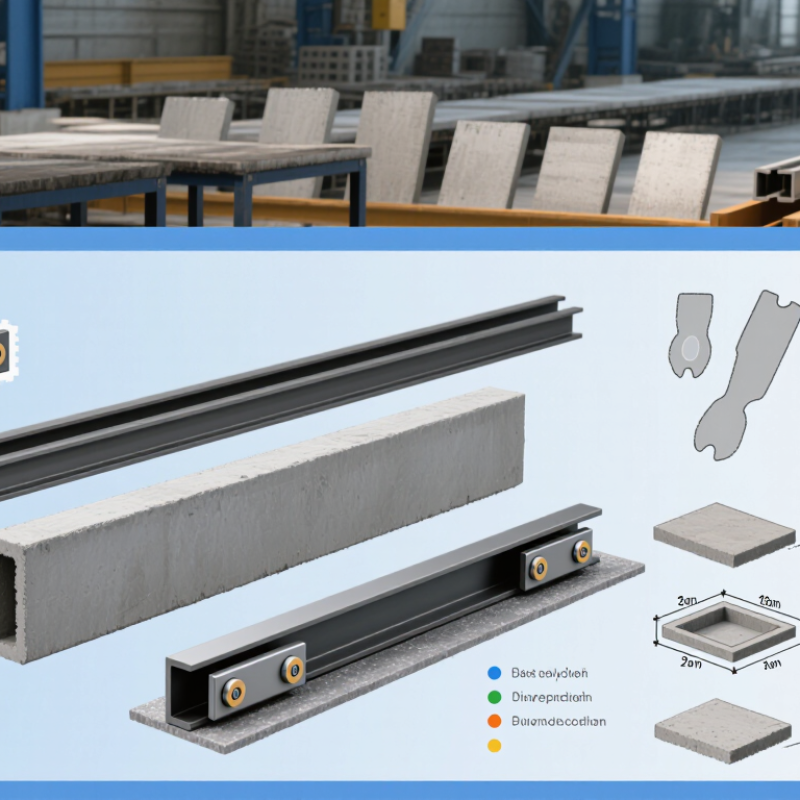
Table of Contents [Hide]
What Is a Shuttering Magnet in Precast Concrete?
A shuttering magnet is a removable fixture that holds formwork against a steel casting bed during precast production. Its magnetic base grips the bed; a threaded body, clamps, or adapters connect to the shuttering. When released, the unit can be repositioned without drilling the table. Small component. Important job.
On a production floor, the details matter. Dust, dried paste, a slightly uneven bed, or a poorly seated magnet can reduce contact and allow formwork to shift under fresh-concrete pressure. Operators should check the magnet’s rated holding force against the actual setup, then verify alignment before pouring. A rating alone is not a guarantee. I have seen tidy calculations meet messy steel.
The 2024 Global Status Report for Buildings and Construction, published by UNEP and the Global Alliance for Buildings and Construction, reports that the sector accounts for 37% of global energy- and process-related CO2 emissions. That figure does not measure shuttering magnets. It does underline why durable, reusable production equipment deserves attention. A magnet can support quicker changeovers and reduce table damage, but only when it is cleaned, inspected, and stored properly. This part is often neglected. A cracked housing or trapped concrete residue may seem minor until the next pour.

© Copyright - Pro Tool & Supply - Site by SVM E-Marketing Solutions - Sitemap
- Privacy policy