- Products
- Air Compressors & Air Tools
- Climate Control
- Compaction Equipment
- Concrete Cutting Tools & Equipment
- Concrete and Masonry
- Demolition & Excavation
- Electrical & Mechanical
- Fasteners and Anchoring Adhesives
- Floor Protection
- Generators and Welders
- Hand Tools
- Heaters
- Janitorial and Office Supplies
- Jobsite Protection
- Ladders & Storage
- Lighting & Lighting Accessories
- Man Lifts
- Material Handling Equipment
- Power Tools
- Pressure Washers & Pumps
- Safety Gear
- Safety Products
- Saws
- Surface Preparation
- SEASONAL PRODUCTS
- Rentals
- Air Compressor and Air Tool Rentals
- Climate Control Rental
- Compaction Rentals
- Concrete Equipment Rentals
- Demolition & Excavation Equipment Rentals
- Concrete Floor Grinder Rentals
- General Construction Equipment Rentals
- Generator Rentals and Welder Rentals
- Heater Rentals
- Light Tower Rentals
- Man Lift Rentals in Massachusetts and Rhode Island
- Material Handling Equipment Rentals
- Pressure Washer & Pump Rentals
- Saw Rentals in New England
- SEASONAL PRODUCTS
- Products
- Air Compressors & Air Tools
- Climate Control
- Compaction Equipment
- Concrete Cutting Tools & Equipment
- Demolition & Excavation
- Electrical & Mechanical
- Floor Protection
- Generators and Welders
- Construction Heaters
- Construction Ladders, Staging, & Storage
- Construction Lighting
- Man Lifts
- Material Handling Equipment
- Industrial Janitorial and Office Supplies
- Pressure Washers & Pumps
- Construction Safety Products
- Construction Safety Gear
- Surface Preparation
- Building Protection
- Diesel Accessories
- Zero Emissions
- Rentals
- Air Compressor and Air Tool Rentals
- Climate Control Rental
- Compaction Rentals
- Concrete Equipment Rental
- Demolition & Excavation Equipment Rental
- General Construction Equipment Rental
- Generator Rentals and Welder Rentals
- Construction Heaters Rental
- Light Tower Rentals
- Man Lift Rentals
- Material Handling Equipment Rental
- Pressure Washer & Pump Rentals
- Saw Rentals in New England
- Concrete Floor Grinder Rentals
- Zero Emissions Rentals
- Repairs & Used
- Parts
- Blog
- Services
- Resources
- About Us
- Contact Us
Sales & Rental of Construction | Industrial Equipment & Supplies


What Are the Best Safety Lockout Devices?
Choosing the best Safety Lockout devices starts with understanding the equipment, energy sources, and tasks involved. A padlock may secure a simple switch, while a valve lockout or cable device may be better suited to less standard controls. The right choice should fit the isolation point securely and remain easy for authorized workers to identify. Small details matter. A loose-fitting device can undermine confidence in the process.
This guide explores common device types, including safety padlocks, circuit-breaker lockouts, plug lockouts, valve covers, and hasps. It considers practical factors such as compatibility, durability, visibility, and ease of use. For example, a worker wearing gloves should be able to apply the device without forcing it into place. Clear labels also help teams recognize who applied a lock and why equipment remains out of service.
There is no single device that suits every workplace. Equipment designs vary, and a product that works well on one panel may not fit another. Selection should follow the manufacturer’s instructions and the site’s established energy-control procedures. When details are uncertain, check the equipment and consult qualified safety personnel rather than guessing. That extra check can feel slow. It is still worth doing. This overview offers a practical starting point, not a substitute for a site-specific assessment.
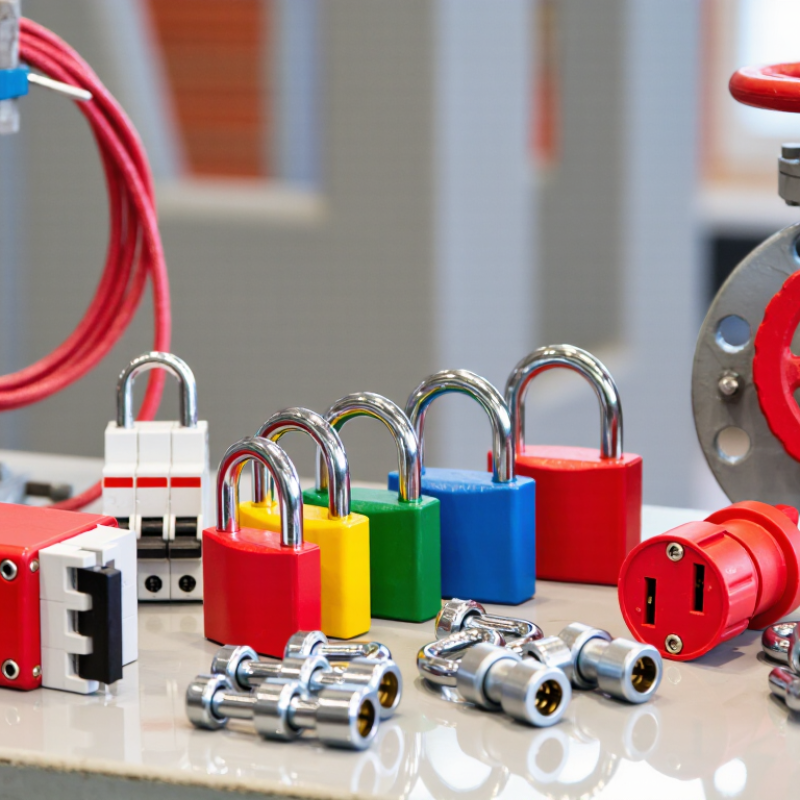
Table of Contents [Hide]
Understanding the Purpose of Safety Lockout Devices
Safety lockout devices help prevent machines from starting while people inspect, clean, or repair them. Their purpose is simple: keep hazardous energy controlled until work is complete. A lock on an electrical disconnect, valve, or breaker can make the isolation point visible and harder to operate by mistake. A tag adds information, such as who applied the lock and why. These devices do not remove danger by themselves. Workers still need to identify every energy source, follow site procedures, and verify that equipment cannot start before beginning work.
Choosing a suitable device depends on the equipment and the energy involved. A breaker lockout should fit the specific control; a valve device must hold the valve in its safe position. Durable materials matter in oily, dusty, or damp work areas. During maintenance, I have seen small details cause confusion: an unreadable tag or a lock placed on the wrong isolation point. Clear identification and careful checks are not glamorous, but they matter. One rushed step can undermine the whole process.
Tips: Match the device to the isolation point, use a uniquely assigned lock, and keep the tag readable. After applying it, test the equipment using the established verification procedure. If the machine still responds, stop and reassess the isolation. Even familiar equipment can surprise you.

© Copyright - Pro Tool & Supply - Site by SVM E-Marketing Solutions - Sitemap
- Privacy policy