- Products
- Air Compressors & Air Tools
- Climate Control
- Compaction Equipment
- Concrete Cutting Tools & Equipment
- Concrete and Masonry
- Demolition & Excavation
- Electrical & Mechanical
- Fasteners and Anchoring Adhesives
- Floor Protection
- Generators and Welders
- Hand Tools
- Heaters
- Janitorial and Office Supplies
- Jobsite Protection
- Ladders & Storage
- Lighting & Lighting Accessories
- Man Lifts
- Material Handling Equipment
- Power Tools
- Pressure Washers & Pumps
- Safety Gear
- Safety Products
- Saws
- Surface Preparation
- SEASONAL PRODUCTS
- Rentals
- Air Compressor and Air Tool Rentals
- Climate Control Rental
- Compaction Rentals
- Concrete Equipment Rentals
- Demolition & Excavation Equipment Rentals
- Concrete Floor Grinder Rentals
- General Construction Equipment Rentals
- Generator Rentals and Welder Rentals
- Heater Rentals
- Light Tower Rentals
- Man Lift Rentals in Massachusetts and Rhode Island
- Material Handling Equipment Rentals
- Pressure Washer & Pump Rentals
- Saw Rentals in New England
- SEASONAL PRODUCTS
- Products
- Air Compressors & Air Tools
- Climate Control
- Compaction Equipment
- Concrete Cutting Tools & Equipment
- Demolition & Excavation
- Electrical & Mechanical
- Floor Protection
- Generators and Welders
- Construction Heaters
- Construction Ladders, Staging, & Storage
- Construction Lighting
- Man Lifts
- Material Handling Equipment
- Industrial Janitorial and Office Supplies
- Pressure Washers & Pumps
- Construction Safety Products
- Construction Safety Gear
- Surface Preparation
- Building Protection
- Diesel Accessories
- Zero Emissions
- Rentals
- Air Compressor and Air Tool Rentals
- Climate Control Rental
- Compaction Rentals
- Concrete Equipment Rental
- Demolition & Excavation Equipment Rental
- General Construction Equipment Rental
- Generator Rentals and Welder Rentals
- Construction Heaters Rental
- Light Tower Rentals
- Man Lift Rentals
- Material Handling Equipment Rental
- Pressure Washer & Pump Rentals
- Saw Rentals in New England
- Concrete Floor Grinder Rentals
- Zero Emissions Rentals
- Repairs & Used
- Parts
- Blog
- Services
- Resources
- About Us
- Contact Us
Sales & Rental of Construction | Industrial Equipment & Supplies


Best Pocket Filter Media Types for Efficient Filtration?
In the ever-evolving landscape of filtration technology, pocket filter media has emerged as a crucial component for ensuring air quality and efficiency. According to a report by the Air Filtration Industry Association (AFIA), the global market for air filters is projected to reach $16 billion by 2025. This growth underscores the increasing recognition of pocket filter media as an effective solution for various applications, from industrial to residential settings.
Dr. Emily Watson, a filtration expert at Clean Air Solutions, emphasizes, "Selecting the right pocket filter media can drastically improve both performance and energy efficiency." Her insights reflect the importance of material selection in achieving optimal filtration. While various materials exist, the challenge lies in identifying the ideal type for specific needs. A mismatch can lead to inefficiencies and increased operational costs, prompting a need for continual evaluation and refinement in our choices.
Despite advancements, the industry faces hurdles in balancing cost and effectiveness. Pocket filter media must not only meet filtration standards but also be economically viable. As we explore the best options available, it's essential to reflect on these complexities. Are our current choices maximizing their potential, or could we do better? The journey to finding the perfect pocket filter media is ongoing, filled with opportunities for innovation and improvement.
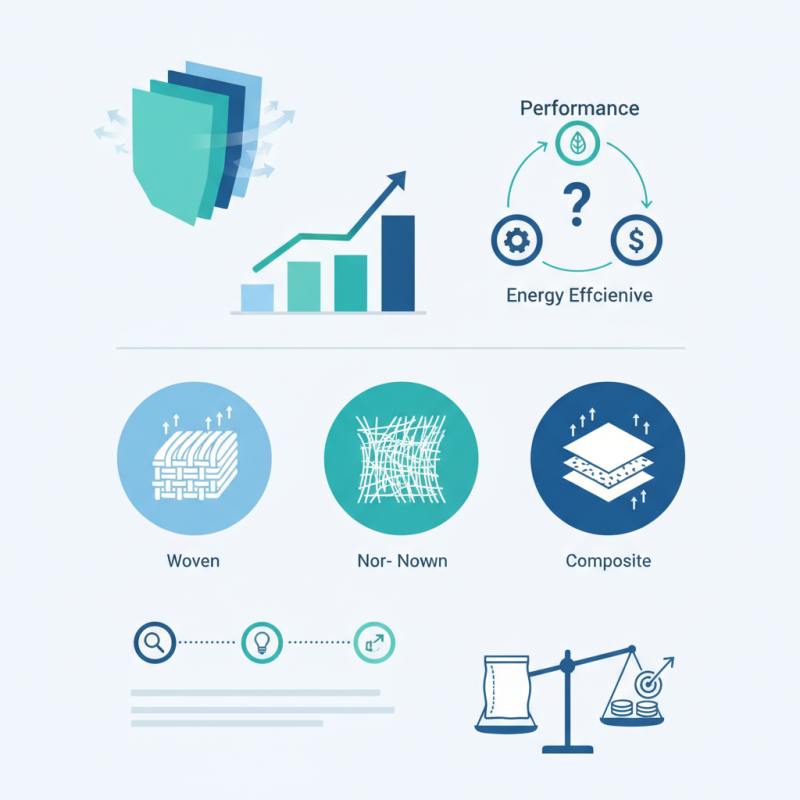
Table of Contents [Hide]
Types of Pocket Filter Media for Various Filtration Applications
When considering pocket filter media, it’s essential to match the type with your filtration needs. Different applications require specific characteristics. For instance, synthetic fibers are popular in environments with high moisture. They offer excellent dirt-holding capacity but may not be as resistant to certain chemicals. Meanwhile, glass fiber media excels in high-temperature settings. It provides great particle retention, though it's often more expensive than other options.
Tips: Regularly check filter efficiency. Over time, filters lose their effectiveness. A simple visual inspection can save costs.
Another notable choice is the polyester filter media. It's versatile and works well in various conditions. Polyester resists humidity and can operate in diverse environments. However, it might not withstand extreme temperatures.
Tips: Always monitor the pressure drop across filters. A significant increase indicates a need for replacement. This simple measure ensures optimal performance without excessive energy costs.

© Copyright - Pro Tool & Supply - Site by SVM E-Marketing Solutions - Sitemap
- Privacy policy