- Products
- Air Compressors & Air Tools
- Climate Control
- Compaction Equipment
- Concrete Cutting Tools & Equipment
- Concrete and Masonry
- Demolition & Excavation
- Electrical & Mechanical
- Fasteners and Anchoring Adhesives
- Floor Protection
- Generators and Welders
- Hand Tools
- Heaters
- Janitorial and Office Supplies
- Jobsite Protection
- Ladders & Storage
- Lighting & Lighting Accessories
- Man Lifts
- Material Handling Equipment
- Power Tools
- Pressure Washers & Pumps
- Safety Gear
- Safety Products
- Saws
- Surface Preparation
- SEASONAL PRODUCTS
- Rentals
- Air Compressor and Air Tool Rentals
- Climate Control Rental
- Compaction Rentals
- Concrete Equipment Rentals
- Demolition & Excavation Equipment Rentals
- Concrete Floor Grinder Rentals
- General Construction Equipment Rentals
- Generator Rentals and Welder Rentals
- Heater Rentals
- Light Tower Rentals
- Man Lift Rentals in Massachusetts and Rhode Island
- Material Handling Equipment Rentals
- Pressure Washer & Pump Rentals
- Saw Rentals in New England
- SEASONAL PRODUCTS
- Products
- Air Compressors & Air Tools
- Climate Control
- Compaction Equipment
- Concrete Cutting Tools & Equipment
- Demolition & Excavation
- Electrical & Mechanical
- Floor Protection
- Generators and Welders
- Construction Heaters
- Construction Ladders, Staging, & Storage
- Construction Lighting
- Man Lifts
- Material Handling Equipment
- Industrial Janitorial and Office Supplies
- Pressure Washers & Pumps
- Construction Safety Products
- Construction Safety Gear
- Surface Preparation
- Building Protection
- Diesel Accessories
- Zero Emissions
- Rentals
- Air Compressor and Air Tool Rentals
- Climate Control Rental
- Compaction Rentals
- Concrete Equipment Rental
- Demolition & Excavation Equipment Rental
- General Construction Equipment Rental
- Generator Rentals and Welder Rentals
- Construction Heaters Rental
- Light Tower Rentals
- Man Lift Rentals
- Material Handling Equipment Rental
- Pressure Washer & Pump Rentals
- Saw Rentals in New England
- Concrete Floor Grinder Rentals
- Zero Emissions Rentals
- Repairs & Used
- Parts
- Blog
- Services
- Resources
- About Us
- Contact Us
Sales & Rental of Construction | Industrial Equipment & Supplies


What Are the Best Oil Drilling Rigs in 2026?
What Are the Best Oil Drilling Rigs in 2026? The answer depends on where a well sits, what it must reach, and how reliably a rig can work. A compact land rig may suit a remote shale basin, while a jack-up can serve fixed offshore locations in suitable water depths. Deeper, harsher environments may call for a semi-submersible or drillship. There is no universal winner.
This guide compares rig types and leading selection factors for Oil Drilling in 2026. It looks at drilling depth, hoisting capacity, mobility, automation, power use, safety systems, and maintenance needs. These details matter in practice: a rig’s deck layout, spare-parts access, or ability to handle changing weather can affect daily operations. Small details count.
A credible comparison also needs more than impressive specifications. Equipment performance depends on the well plan, crew experience, operating conditions, and the quality of maintenance records. Buyers should check current manufacturer data and independent operating evidence, rather than relying on a headline capacity alone. Even then, comparisons have limits. Public information may not reveal a rig’s full uptime history or lifecycle costs. This overview offers a practical framework for weighing those trade-offs, while recognizing that the “best” choice can change from one project to the next.
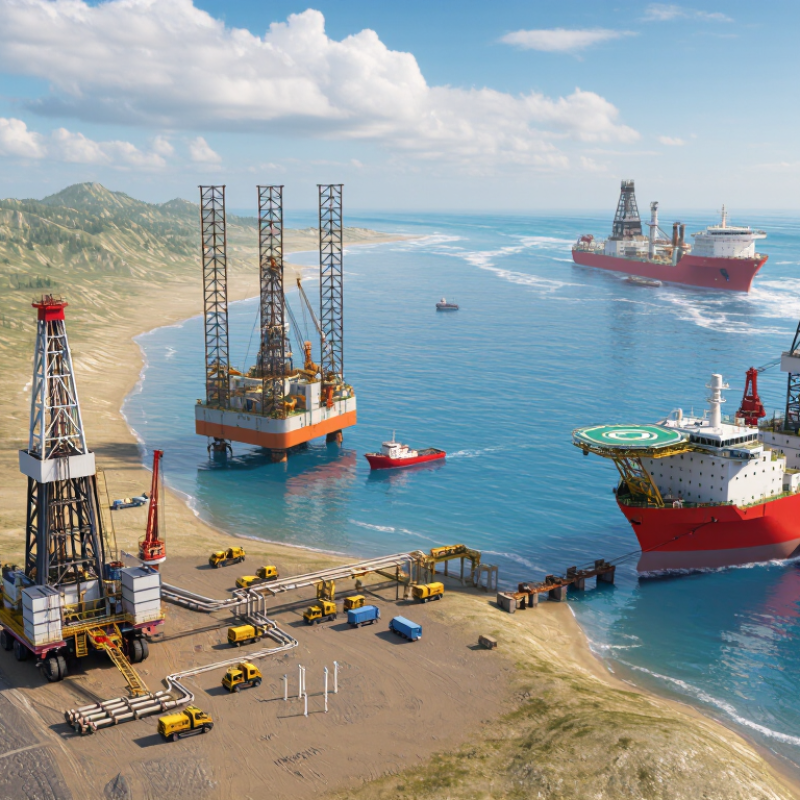
Table of Contents [Hide]
How Oil Drilling Rigs Are Classified by Design and Location
What counts as the best oil drilling rig in 2026 depends on the well, water depth, and distance from shore. A useful starting point is classification by design and location. Land rigs operate onshore, where roads, ground strength, and available space shape the setup. Some are compact and truck-mounted; others use larger structures for deeper or more demanding wells. Moving a rig between remote sites can be a major part of the job.
Offshore rigs are designed for work at sea, but they are not all built the same way. Jack-up rigs stand on extendable legs that rest on the seabed, making them suited to many shallow-water projects. Semisubmersible rigs float on submerged pontoons and are anchored or dynamically positioned in deeper water. Drillships use a ship-shaped hull and can travel between locations, an advantage where mobility matters. Conditions vary.
Location alone does not determine the right choice. Operators also consider wind, waves, seabed conditions, well depth, supply access, and how quickly a rig can be mobilized. A rig suitable for calm, shallow waters may be a poor fit for rougher seas. No category guarantees performance. These labels simplify real decisions; actual capabilities differ by rig configuration, maintenance, and operating conditions. A careful comparison should match the design to the site rather than treat “best” as one universal ranking.

© Copyright - Pro Tool & Supply - Site by SVM E-Marketing Solutions - Sitemap
- Privacy policy