- Products
- Air Compressors & Air Tools
- Climate Control
- Compaction Equipment
- Concrete Cutting Tools & Equipment
- Concrete and Masonry
- Demolition & Excavation
- Electrical & Mechanical
- Fasteners and Anchoring Adhesives
- Floor Protection
- Generators and Welders
- Hand Tools
- Heaters
- Janitorial and Office Supplies
- Jobsite Protection
- Ladders & Storage
- Lighting & Lighting Accessories
- Man Lifts
- Material Handling Equipment
- Power Tools
- Pressure Washers & Pumps
- Safety Gear
- Safety Products
- Saws
- Surface Preparation
- SEASONAL PRODUCTS
- Rentals
- Air Compressor and Air Tool Rentals
- Climate Control Rental
- Compaction Rentals
- Concrete Equipment Rentals
- Demolition & Excavation Equipment Rentals
- Concrete Floor Grinder Rentals
- General Construction Equipment Rentals
- Generator Rentals and Welder Rentals
- Heater Rentals
- Light Tower Rentals
- Man Lift Rentals in Massachusetts and Rhode Island
- Material Handling Equipment Rentals
- Pressure Washer & Pump Rentals
- Saw Rentals in New England
- SEASONAL PRODUCTS
- Products
- Air Compressors & Air Tools
- Climate Control
- Compaction Equipment
- Concrete Cutting Tools & Equipment
- Demolition & Excavation
- Electrical & Mechanical
- Floor Protection
- Generators and Welders
- Construction Heaters
- Construction Ladders, Staging, & Storage
- Construction Lighting
- Man Lifts
- Material Handling Equipment
- Industrial Janitorial and Office Supplies
- Pressure Washers & Pumps
- Construction Safety Products
- Construction Safety Gear
- Surface Preparation
- Building Protection
- Diesel Accessories
- Zero Emissions
- Rentals
- Air Compressor and Air Tool Rentals
- Climate Control Rental
- Compaction Rentals
- Concrete Equipment Rental
- Demolition & Excavation Equipment Rental
- General Construction Equipment Rental
- Generator Rentals and Welder Rentals
- Construction Heaters Rental
- Light Tower Rentals
- Man Lift Rentals
- Material Handling Equipment Rental
- Pressure Washer & Pump Rentals
- Saw Rentals in New England
- Concrete Floor Grinder Rentals
- Zero Emissions Rentals
- Repairs & Used
- Parts
- Blog
- Services
- Resources
- About Us
- Contact Us
Sales & Rental of Construction | Industrial Equipment & Supplies


10 Best Marine Steering Cylinders for Boats?
Choosing among the 10 Best Marine Steering Cylinders for Boats requires more than comparing prices and polished product photos. A steering cylinder works behind the helm, often unseen, while converting hydraulic pressure into precise rudder or outboard movement. On a saltwater boat, that small assembly faces spray, vibration, heat, pressure cycles, and occasional maintenance neglect. The wrong fit can create stiffness, leaks, uneven steering, or dangerous loss of control.
Industry data shows why careful evaluation matters. The U.S. Coast Guard reported 3,844 recreational boating incidents, 2,126 injuries, and 564 deaths in its 2023 Recreational Boating Statistics report. These figures do not prove that steering failures caused those incidents. They do show why dependable control systems deserve serious attention. The National Marine Manufacturers Association also reported a recreational boating industry economic impact of approximately $230.6 billion in the United States during 2023. That scale reflects a large and varied fleet, from compact fishing boats to high-powered offshore vessels.
This guide examines Marine Steering Cylinders through practical criteria, including compatibility, bore size, stroke length, corrosion resistance, seal quality, installation access, and manufacturer support. ISO 10592 provides a useful reference for hydraulic steering systems on small craft, while ABYC recommendations help frame broader marine equipment and installation concerns. Real-world testing still matters. A cylinder may look excellent on paper, yet feel slow at the dock or awkward during a hard turn. No ranking is perfect. I may value serviceability more than another reviewer would. That is worth admitting. The final selections aim to balance engineering evidence, owner feedback, and realistic conditions on the water.
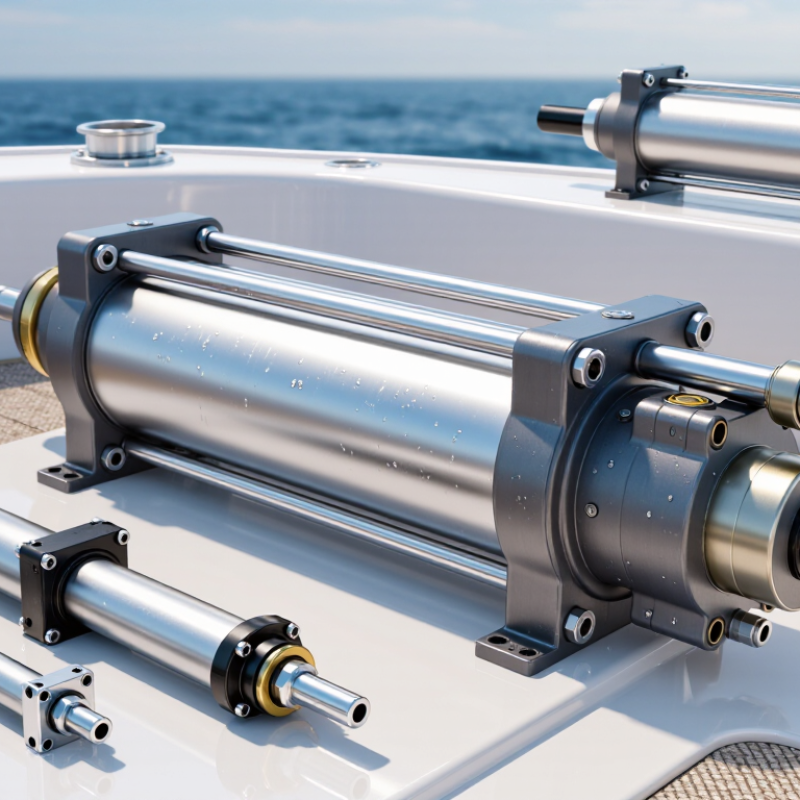
Table of Contents [Hide]
What Is a Marine Steering Cylinder and How Does It Work?
A marine steering cylinder converts hydraulic pressure into movement at the boat’s outboard engine or rudder. It usually contains a piston, polished rod, seals, and mounting fittings. Hydraulic fluid enters one side of the cylinder and pushes the piston. The rod then moves left or right, turning the steering linkage.
The helm pump controls this process. When you turn the wheel, the pump sends fluid through one hydraulic line. Fluid from the opposite chamber returns through another line. Reversing the wheel reverses fluid flow and cylinder movement. The system feels smooth when it is properly filled and free from air. Even a small air pocket can cause delayed steering or a soft wheel.
Choosing among the 10 best marine steering cylinders requires more than checking size. Match cylinder travel, bore, pressure rating, and connection type with the boat’s steering system. Stainless or corrosion-resistant parts matter in salt water. Inspect the rod for pitting and check seals for fluid traces. I have seen owners blame the cylinder when loose fittings caused the problem. That mistake is easy to make. Bleeding the system also requires patience, because trapped air may remain after one attempt. Always follow the manufacturer’s service specifications and test steering movement at low speed before normal operation.

© Copyright - Pro Tool & Supply - Site by SVM E-Marketing Solutions - Sitemap
- Privacy policy