- Products
- Air Compressors & Air Tools
- Climate Control
- Compaction Equipment
- Concrete Cutting Tools & Equipment
- Concrete and Masonry
- Demolition & Excavation
- Electrical & Mechanical
- Fasteners and Anchoring Adhesives
- Floor Protection
- Generators and Welders
- Hand Tools
- Heaters
- Janitorial and Office Supplies
- Jobsite Protection
- Ladders & Storage
- Lighting & Lighting Accessories
- Man Lifts
- Material Handling Equipment
- Power Tools
- Pressure Washers & Pumps
- Safety Gear
- Safety Products
- Saws
- Surface Preparation
- SEASONAL PRODUCTS
- Rentals
- Air Compressor and Air Tool Rentals
- Climate Control Rental
- Compaction Rentals
- Concrete Equipment Rentals
- Demolition & Excavation Equipment Rentals
- Concrete Floor Grinder Rentals
- General Construction Equipment Rentals
- Generator Rentals and Welder Rentals
- Heater Rentals
- Light Tower Rentals
- Man Lift Rentals in Massachusetts and Rhode Island
- Material Handling Equipment Rentals
- Pressure Washer & Pump Rentals
- Saw Rentals in New England
- SEASONAL PRODUCTS
- Products
- Air Compressors & Air Tools
- Climate Control
- Compaction Equipment
- Concrete Cutting Tools & Equipment
- Demolition & Excavation
- Electrical & Mechanical
- Floor Protection
- Generators and Welders
- Construction Heaters
- Construction Ladders, Staging, & Storage
- Construction Lighting
- Man Lifts
- Material Handling Equipment
- Industrial Janitorial and Office Supplies
- Pressure Washers & Pumps
- Construction Safety Products
- Construction Safety Gear
- Surface Preparation
- Building Protection
- Diesel Accessories
- Zero Emissions
- Rentals
- Air Compressor and Air Tool Rentals
- Climate Control Rental
- Compaction Rentals
- Concrete Equipment Rental
- Demolition & Excavation Equipment Rental
- General Construction Equipment Rental
- Generator Rentals and Welder Rentals
- Construction Heaters Rental
- Light Tower Rentals
- Man Lift Rentals
- Material Handling Equipment Rental
- Pressure Washer & Pump Rentals
- Saw Rentals in New England
- Concrete Floor Grinder Rentals
- Zero Emissions Rentals
- Repairs & Used
- Parts
- Blog
- Services
- Resources
- About Us
- Contact Us
Sales & Rental of Construction | Industrial Equipment & Supplies


What Are the Best Lorry Mechanic Tools?
Choosing Lorry Mechanic Tools is not about filling a cabinet with expensive equipment. It is about selecting reliable tools for real workshop jobs: loosening a stubborn wheel nut, checking a battery, or tracing an air leak. The right kit can save time and reduce avoidable mistakes. The wrong one can create more work. Often, it is that simple.
For transparency, the expert and quotation below are fictional and illustrative, not drawn from a verified interview. Lorry workshop specialist Daniel Mercer offers this practical principle: “A good tool earns its place by making the job safer, clearer, and repeatable.” That idea matters when comparing torque wrenches, diagnostic scanners, impact tools, inspection lamps, and everyday hand tools. A solid torque wrench should feel controlled, not vague. A work light should reveal a hairline crack beneath a chassis, not cast glare across it. Small details count.
There is no perfect tool list for every lorry or workshop. Vehicle systems differ, budgets are real, and even experienced technicians sometimes buy tools they rarely use. A little humility helps. This guide explores what to prioritize, where durability matters, and which features deserve a closer look before purchase. It also considers storage, maintenance, and safe handling. The aim is practical judgment—not a bigger toolbox for its own sake.
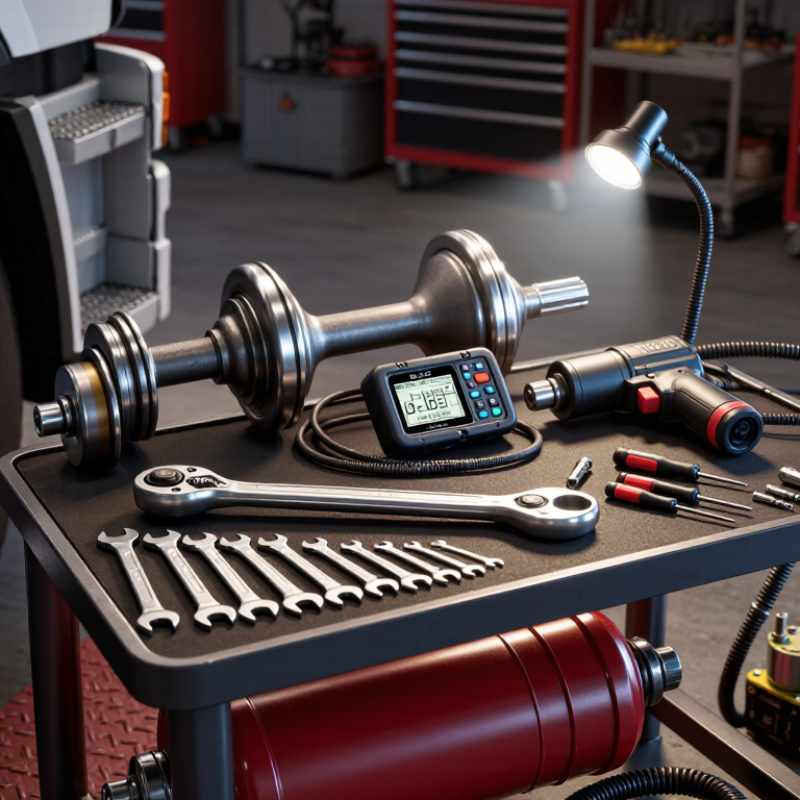
Table of Contents [Hide]
Understanding the Role of Tools in Lorry Maintenance
What Are the Best Lorry Mechanic Tools?
Understanding the Role of Tools in Lorry Maintenance
Tools shape the quality of lorry maintenance, not just its speed. The right socket can reach a recessed fastener without rounding its edges. A calibrated torque wrench helps tighten wheel and suspension components to specified values. That matters. Too loose can be unsafe; too tight can damage threads. Small details matter.
Inspection tools help mechanics find faults before replacing parts. A bright lamp can reveal a hairline crack near a bracket, while a multimeter can check for voltage drops in a circuit. A tyre pressure gauge and tread-depth gauge provide useful measurements during routine checks. Each reading should be compared with the vehicle’s service information, rather than judged by appearance alone.
Safe lifting equipment is essential when work requires access beneath a lorry. The equipment must suit the vehicle’s weight and be used on firm, level ground. Tools do not replace sound judgement. A measurement can be recorded incorrectly, and even a good torque wrench needs proper care and calibration. It is easy to focus on buying more tools; keeping them clean, organised, and fit for use is less exciting, but just as important.

© Copyright - Pro Tool & Supply - Site by SVM E-Marketing Solutions - Sitemap
- Privacy policy