- Products
- Air Compressors & Air Tools
- Climate Control
- Compaction Equipment
- Concrete Cutting Tools & Equipment
- Concrete and Masonry
- Demolition & Excavation
- Electrical & Mechanical
- Fasteners and Anchoring Adhesives
- Floor Protection
- Generators and Welders
- Hand Tools
- Heaters
- Janitorial and Office Supplies
- Jobsite Protection
- Ladders & Storage
- Lighting & Lighting Accessories
- Man Lifts
- Material Handling Equipment
- Power Tools
- Pressure Washers & Pumps
- Safety Gear
- Safety Products
- Saws
- Surface Preparation
- SEASONAL PRODUCTS
- Rentals
- Air Compressor and Air Tool Rentals
- Climate Control Rental
- Compaction Rentals
- Concrete Equipment Rentals
- Demolition & Excavation Equipment Rentals
- Concrete Floor Grinder Rentals
- General Construction Equipment Rentals
- Generator Rentals and Welder Rentals
- Heater Rentals
- Light Tower Rentals
- Man Lift Rentals in Massachusetts and Rhode Island
- Material Handling Equipment Rentals
- Pressure Washer & Pump Rentals
- Saw Rentals in New England
- SEASONAL PRODUCTS
- Products
- Air Compressors & Air Tools
- Climate Control
- Compaction Equipment
- Concrete Cutting Tools & Equipment
- Demolition & Excavation
- Electrical & Mechanical
- Floor Protection
- Generators and Welders
- Construction Heaters
- Construction Ladders, Staging, & Storage
- Construction Lighting
- Man Lifts
- Material Handling Equipment
- Industrial Janitorial and Office Supplies
- Pressure Washers & Pumps
- Construction Safety Products
- Construction Safety Gear
- Surface Preparation
- Building Protection
- Diesel Accessories
- Zero Emissions
- Rentals
- Air Compressor and Air Tool Rentals
- Climate Control Rental
- Compaction Rentals
- Concrete Equipment Rental
- Demolition & Excavation Equipment Rental
- General Construction Equipment Rental
- Generator Rentals and Welder Rentals
- Construction Heaters Rental
- Light Tower Rentals
- Man Lift Rentals
- Material Handling Equipment Rental
- Pressure Washer & Pump Rentals
- Saw Rentals in New England
- Concrete Floor Grinder Rentals
- Zero Emissions Rentals
- Repairs & Used
- Parts
- Blog
- Services
- Resources
- About Us
- Contact Us
Sales & Rental of Construction | Industrial Equipment & Supplies


Top Industrial Printing Systems for Global Buyers?
Choosing among Industrial Printing Systems is rarely a simple comparison of speed, resolution, or purchase price. Global buyers must examine substrate compatibility, ink performance, automation, operator training, maintenance access, and regional service coverage. A system that performs beautifully on coated packaging stock may struggle with corrugated board, textured labels, or temperature-sensitive materials. The showroom sample is not enough.
Benny Landa, a major figure in digital printing, has often stated, “Everything that can be digital will be digital.” His observation reflects the direction of modern industrial production, where variable data, shorter runs, and faster changeovers increasingly shape investment decisions. Yet digital capability alone does not guarantee commercial success. Buyers should request production trials using their actual files, materials, colors, and finishing requirements. They should also verify uptime records, spare-parts availability, software integration, safety documentation, and local technical support.
The strongest systems balance measurable productivity with dependable daily operation. Small details matter. A clogged printhead, delayed service visit, or poorly trained operator can erase expected savings. Total cost deserves careful attention, including consumables, energy use, waste, labor, and upgrades. No ranking can be perfect. Market conditions change, and manufacturer claims need independent testing. This guide examines leading Industrial Printing Systems for global buyers, while recognizing that the best choice depends on application, location, budget, compliance needs, and long-term production goals. Performance on paper is only the beginning. Real factory evidence matters more.
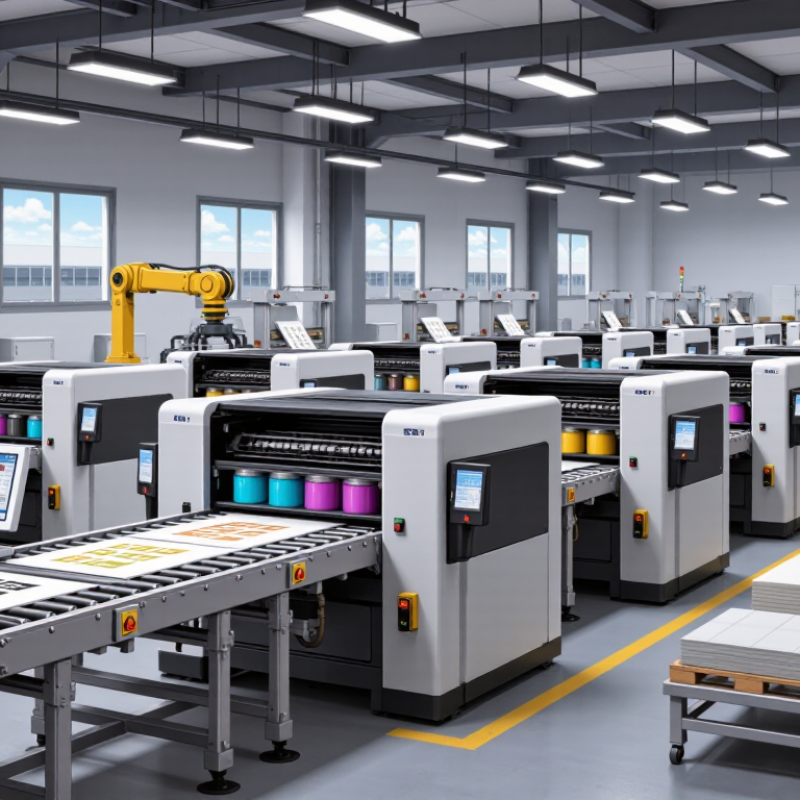
Table of Contents [Hide]
Industrial Printing Systems: Definition, Scope, and Core Functions
Top Industrial Printing Systems for Global Buyers?
Industrial Printing Systems: Definition, Scope, and Core Functions
Industrial printing systems are engineered production platforms for applying text, images, codes, or functional layers to materials. These materials may include cartons, labels, metal parts, glass, films, and manufactured components. Unlike office printers, they operate within continuous workflows and demanding production environments. Their scope includes print engines, material handling, curing, inspection, software, and maintenance tools. It is the control center.
In practical facilities, system selection begins with the substrate and production speed. A printer designed for porous cartons may perform poorly on coated metal. Operators also examine resolution, ink adhesion, drying time, color consistency, and waste rates. Integrated cameras can detect missing marks or blurred codes during production. Data connections can support job tracking, batch records, and equipment alerts. These functions improve traceability, but they require accurate setup and disciplined operator training.
Global buyers should review electrical requirements, language support, spare-part access, and local service capability. Safety guards, ventilation, and chemical handling procedures need documented evaluation. Compliance requirements can vary by product, market, and application. No system is perfect. A technically strong machine may still create delays if cleaning takes too long. In field assessments, small maintenance gaps often become larger production costs. Buyers should test representative materials, measure real output, and record results before approving a system.

© Copyright - Pro Tool & Supply - Site by SVM E-Marketing Solutions - Sitemap
- Privacy policy