- Products
- Air Compressors & Air Tools
- Climate Control
- Compaction Equipment
- Concrete Cutting Tools & Equipment
- Concrete and Masonry
- Demolition & Excavation
- Electrical & Mechanical
- Fasteners and Anchoring Adhesives
- Floor Protection
- Generators and Welders
- Hand Tools
- Heaters
- Janitorial and Office Supplies
- Jobsite Protection
- Ladders & Storage
- Lighting & Lighting Accessories
- Man Lifts
- Material Handling Equipment
- Power Tools
- Pressure Washers & Pumps
- Safety Gear
- Safety Products
- Saws
- Surface Preparation
- SEASONAL PRODUCTS
- Rentals
- Air Compressor and Air Tool Rentals
- Climate Control Rental
- Compaction Rentals
- Concrete Equipment Rentals
- Demolition & Excavation Equipment Rentals
- Concrete Floor Grinder Rentals
- General Construction Equipment Rentals
- Generator Rentals and Welder Rentals
- Heater Rentals
- Light Tower Rentals
- Man Lift Rentals in Massachusetts and Rhode Island
- Material Handling Equipment Rentals
- Pressure Washer & Pump Rentals
- Saw Rentals in New England
- SEASONAL PRODUCTS
- Products
- Air Compressors & Air Tools
- Climate Control
- Compaction Equipment
- Concrete Cutting Tools & Equipment
- Demolition & Excavation
- Electrical & Mechanical
- Floor Protection
- Generators and Welders
- Construction Heaters
- Construction Ladders, Staging, & Storage
- Construction Lighting
- Man Lifts
- Material Handling Equipment
- Industrial Janitorial and Office Supplies
- Pressure Washers & Pumps
- Construction Safety Products
- Construction Safety Gear
- Surface Preparation
- Building Protection
- Diesel Accessories
- Zero Emissions
- Rentals
- Air Compressor and Air Tool Rentals
- Climate Control Rental
- Compaction Rentals
- Concrete Equipment Rental
- Demolition & Excavation Equipment Rental
- General Construction Equipment Rental
- Generator Rentals and Welder Rentals
- Construction Heaters Rental
- Light Tower Rentals
- Man Lift Rentals
- Material Handling Equipment Rental
- Pressure Washer & Pump Rentals
- Saw Rentals in New England
- Concrete Floor Grinder Rentals
- Zero Emissions Rentals
- Repairs & Used
- Parts
- Blog
- Services
- Resources
- About Us
- Contact Us
Sales & Rental of Construction | Industrial Equipment & Supplies


10 Best HDPE Plastic Sheets for Global Buyers?
Global buyers rarely need the thickest sheet; they need the right sheet for a defined application. Hdpe Plastic Sheets are valued for chemical resistance, low moisture absorption, impact strength, and easy fabrication. However, grade, thickness, surface finish, color, and temperature exposure can change performance significantly. A sheet that works beside a wastewater tank may fail under sustained heat or heavy outdoor loading.
This guide examines ten practical options for international purchasing teams, engineers, fabricators, and maintenance managers. Each option is assessed through application fit, dimensional stability, machinability, service environment, and supply reliability. We also review essential documentation, including technical data sheets, lot traceability, test reports, and dimensional tolerances. Details matter. A reliable supplier should explain resin grade, production method, inspection controls, packaging, and expected lead times before quoting. Samples can reveal surface defects, warping, or cutting problems that photographs cannot show.
Our comparison reflects established industrial practice, but it is not a substitute for project-specific engineering review. That limitation deserves attention. Real installations include uneven supports, sharp edges, temperature swings, and rushed purchasing decisions. Buyers should verify load calculations, chemical compatibility, fire requirements, and local standards with qualified professionals. We may not capture every regional preference, especially where transport conditions, import procedures, or procurement rules differ. Still, this selection provides a practical starting point for comparing quality, cost, service life, and supplier credibility across global markets. Careful choices usually begin with measurable requirements, not attractive pricing alone. Expect trade-offs.
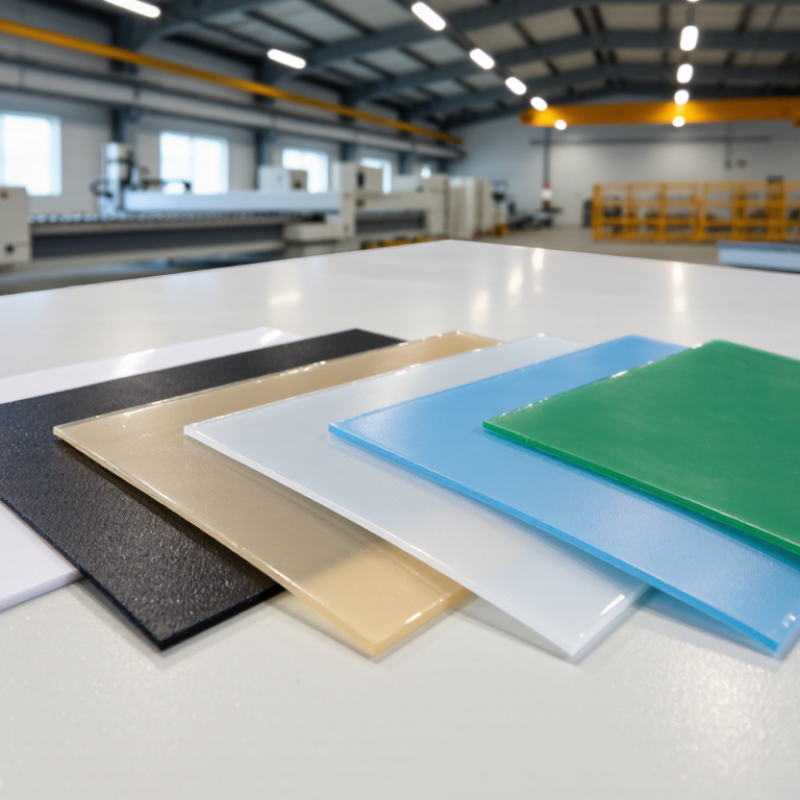
Table of Contents [Hide]
What Are HDPE Plastic Sheets and Why Do Global Buyers Choose Them?
HDPE plastic sheets are flat panels made from high-density polyethylene, a durable thermoplastic used in fabrication and industrial projects. Their structure resists moisture, many chemicals, and repeated impact. That matters in wet workshops, storage areas, and outdoor equipment. A sheet can be cut, drilled, welded, or machined with common fabrication tools. It also has a naturally low-friction surface. This helps when products must slide or release easily. Thickness, color, surface finish, and tolerance can vary between suppliers. Buyers should check technical data instead of trusting a product title alone.
Global buyers choose HDPE sheets because they combine practical performance with manageable shipping weight. They often replace heavier materials in tanks, liners, guards, cutting surfaces, and machine components. The material does not absorb much water, which supports stable use in humid conditions. Still, HDPE is not perfect. It can expand with heat, scratch under rough handling, and deform under long-term heavy loads. A rushed selection may fail near high temperatures or tight tolerances. Responsible purchasing includes reviewing test methods, batch consistency, certificates, and packaging quality. Recyclability can also be useful, but local recycling systems differ widely. Ask clear questions. That small step prevents expensive misunderstandings across borders.

© Copyright - Pro Tool & Supply - Site by SVM E-Marketing Solutions - Sitemap
- Privacy policy