- Products
- Air Compressors & Air Tools
- Climate Control
- Compaction Equipment
- Concrete Cutting Tools & Equipment
- Concrete and Masonry
- Demolition & Excavation
- Electrical & Mechanical
- Fasteners and Anchoring Adhesives
- Floor Protection
- Generators and Welders
- Hand Tools
- Heaters
- Janitorial and Office Supplies
- Jobsite Protection
- Ladders & Storage
- Lighting & Lighting Accessories
- Man Lifts
- Material Handling Equipment
- Power Tools
- Pressure Washers & Pumps
- Safety Gear
- Safety Products
- Saws
- Surface Preparation
- SEASONAL PRODUCTS
- Rentals
- Air Compressor and Air Tool Rentals
- Climate Control Rental
- Compaction Rentals
- Concrete Equipment Rentals
- Demolition & Excavation Equipment Rentals
- Concrete Floor Grinder Rentals
- General Construction Equipment Rentals
- Generator Rentals and Welder Rentals
- Heater Rentals
- Light Tower Rentals
- Man Lift Rentals in Massachusetts and Rhode Island
- Material Handling Equipment Rentals
- Pressure Washer & Pump Rentals
- Saw Rentals in New England
- SEASONAL PRODUCTS
- Products
- Air Compressors & Air Tools
- Climate Control
- Compaction Equipment
- Concrete Cutting Tools & Equipment
- Demolition & Excavation
- Electrical & Mechanical
- Floor Protection
- Generators and Welders
- Construction Heaters
- Construction Ladders, Staging, & Storage
- Construction Lighting
- Man Lifts
- Material Handling Equipment
- Industrial Janitorial and Office Supplies
- Pressure Washers & Pumps
- Construction Safety Products
- Construction Safety Gear
- Surface Preparation
- Building Protection
- Diesel Accessories
- Zero Emissions
- Rentals
- Air Compressor and Air Tool Rentals
- Climate Control Rental
- Compaction Rentals
- Concrete Equipment Rental
- Demolition & Excavation Equipment Rental
- General Construction Equipment Rental
- Generator Rentals and Welder Rentals
- Construction Heaters Rental
- Light Tower Rentals
- Man Lift Rentals
- Material Handling Equipment Rental
- Pressure Washer & Pump Rentals
- Saw Rentals in New England
- Concrete Floor Grinder Rentals
- Zero Emissions Rentals
- Repairs & Used
- Parts
- Blog
- Services
- Resources
- About Us
- Contact Us
Sales & Rental of Construction | Industrial Equipment & Supplies


Which Exhaust End Pipe Is Best for Your Vehicle in 2026?
Choosing the right Exhaust End Pipe in 2026 is less about appearance than matching the part to your vehicle, driving habits, and existing exhaust system. A polished stainless tip may suit a daily driver, while a larger outlet can change the look without necessarily improving performance. Fitment matters. So does clearance around the bumper, the inlet diameter, and the material’s resistance to heat and road moisture.
For a clearly labeled illustrative expert perspective, composite exhaust specialist Daniel Mercer puts it this way: “A good end pipe should fit cleanly, handle heat, and suit the vehicle—not just look bigger.” This is an editorially drafted statement, not a verified quotation from a real individual. That distinction matters when comparing product claims. An end pipe alone rarely delivers meaningful power gains; engine condition, exhaust design, and installation all play a role.
Look closely at the details. Measure the existing pipe before ordering. Check the clamp or weld connection, then picture the tip beneath your actual bumper—not a studio photograph. A deep, oversized outlet can look awkward on a compact car. Sometimes smaller is better. Material labels can also be vague, so confirm the grade and finish rather than relying on “premium” wording. Even careful buyers can miss something; I’d double-check the fitment chart, because listings are not always as clear as they should be. The guide ahead compares shape, sound, durability, and installation considerations to help you choose an Exhaust End Pipe that feels right for your vehicle in 2026.
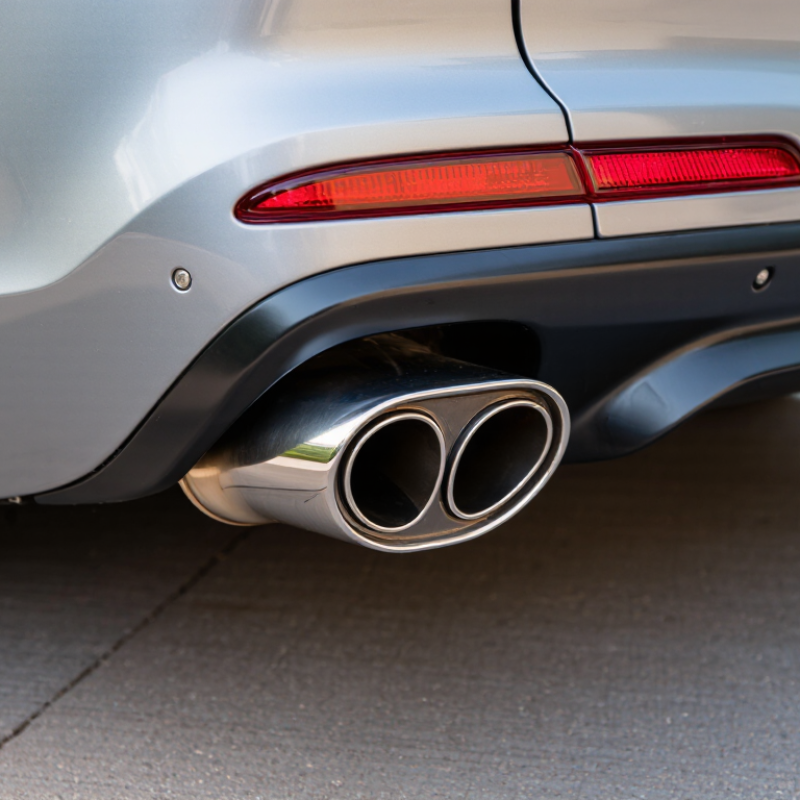
Table of Contents [Hide]
What an Exhaust End Pipe Does
An exhaust end pipe is the final section that carries exhaust gases out from beneath the vehicle. Its direction and fit help keep hot gases away from the bumper and bodywork. It does not clean exhaust; that work is handled by emissions-control components farther upstream. Nor is it usually the main source of exhaust noise. The muffler does most of that. That distinction matters. A wider or polished tip can change the vehicle’s appearance, but it rarely adds meaningful power by itself. If performance seems reduced, the cause may be elsewhere.
Fitment deserves more attention than shine. Check the pipe’s inlet diameter, mounting method, and clearance from the bumper before choosing a replacement. A poorly aligned tip can rattle or sit close enough to heat nearby trim. Stainless steel generally resists corrosion better than basic coated steel, though material quality varies. After installation, look for a secure mount and listen for unusual vibration. A little water dripping during a cold start can be normal condensation; persistent leaks or rattling need inspection. I would not judge a pipe by its appearance alone. Looks matter, but fit and safe clearance matter more.

© Copyright - Pro Tool & Supply - Site by SVM E-Marketing Solutions - Sitemap
- Privacy policy