- Products
- Air Compressors & Air Tools
- Climate Control
- Compaction Equipment
- Concrete Cutting Tools & Equipment
- Concrete and Masonry
- Demolition & Excavation
- Electrical & Mechanical
- Fasteners and Anchoring Adhesives
- Floor Protection
- Generators and Welders
- Hand Tools
- Heaters
- Janitorial and Office Supplies
- Jobsite Protection
- Ladders & Storage
- Lighting & Lighting Accessories
- Man Lifts
- Material Handling Equipment
- Power Tools
- Pressure Washers & Pumps
- Safety Gear
- Safety Products
- Saws
- Surface Preparation
- SEASONAL PRODUCTS
- Rentals
- Air Compressor and Air Tool Rentals
- Climate Control Rental
- Compaction Rentals
- Concrete Equipment Rentals
- Demolition & Excavation Equipment Rentals
- Concrete Floor Grinder Rentals
- General Construction Equipment Rentals
- Generator Rentals and Welder Rentals
- Heater Rentals
- Light Tower Rentals
- Man Lift Rentals in Massachusetts and Rhode Island
- Material Handling Equipment Rentals
- Pressure Washer & Pump Rentals
- Saw Rentals in New England
- SEASONAL PRODUCTS
- Products
- Air Compressors & Air Tools
- Climate Control
- Compaction Equipment
- Concrete Cutting Tools & Equipment
- Demolition & Excavation
- Electrical & Mechanical
- Floor Protection
- Generators and Welders
- Construction Heaters
- Construction Ladders, Staging, & Storage
- Construction Lighting
- Man Lifts
- Material Handling Equipment
- Industrial Janitorial and Office Supplies
- Pressure Washers & Pumps
- Construction Safety Products
- Construction Safety Gear
- Surface Preparation
- Building Protection
- Diesel Accessories
- Zero Emissions
- Rentals
- Air Compressor and Air Tool Rentals
- Climate Control Rental
- Compaction Rentals
- Concrete Equipment Rental
- Demolition & Excavation Equipment Rental
- General Construction Equipment Rental
- Generator Rentals and Welder Rentals
- Construction Heaters Rental
- Light Tower Rentals
- Man Lift Rentals
- Material Handling Equipment Rental
- Pressure Washer & Pump Rentals
- Saw Rentals in New England
- Concrete Floor Grinder Rentals
- Zero Emissions Rentals
- Repairs & Used
- Parts
- Blog
- Services
- Resources
- About Us
- Contact Us
Sales & Rental of Construction | Industrial Equipment & Supplies


What Is the Best Energy Storage System in China?
What Is the Best Energy Storage System in China? The answer depends on the application, grid conditions, and project budget. A coastal solar farm needs a different solution from a factory facing evening demand peaks. China’s market includes pumped-hydro storage, lithium-ion batteries, flow batteries, and emerging technologies. Each option has practical strengths and weaknesses.
For short-duration projects, lithium iron phosphate batteries often provide strong efficiency, fast response, and competitive costs. They can balance solar output, support microgrids, and reduce peak electricity charges. However, battery temperature, fire protection, degradation, and recycling require careful management. Larger projects may favor pumped-hydro storage because it offers long service life and substantial capacity. Yet, suitable geography, construction time, and environmental approvals can limit its use. Flow batteries appear promising for longer-duration storage, although their commercial scale and economics remain uneven.
Haisheng Chen, chairman of the China Energy Storage Alliance, has stated, “Energy storage is a key technology for the energy transition.” His observation reflects China’s changing power system. Renewable generation can be abundant at noon, while demand rises after sunset. An effective Energy Storage System must connect these two moments safely and economically.
The best choice is not always the cheapest battery. It should match duration, cycling frequency, safety requirements, maintenance capability, and local electricity prices. That sounds simple. It is not. Some project comparisons still overemphasize initial cost and overlook degradation or replacement planning. A reliable evaluation must examine real operating data, supplier experience, warranty terms, and total lifecycle value. This article compares China’s leading storage options through those practical measures.
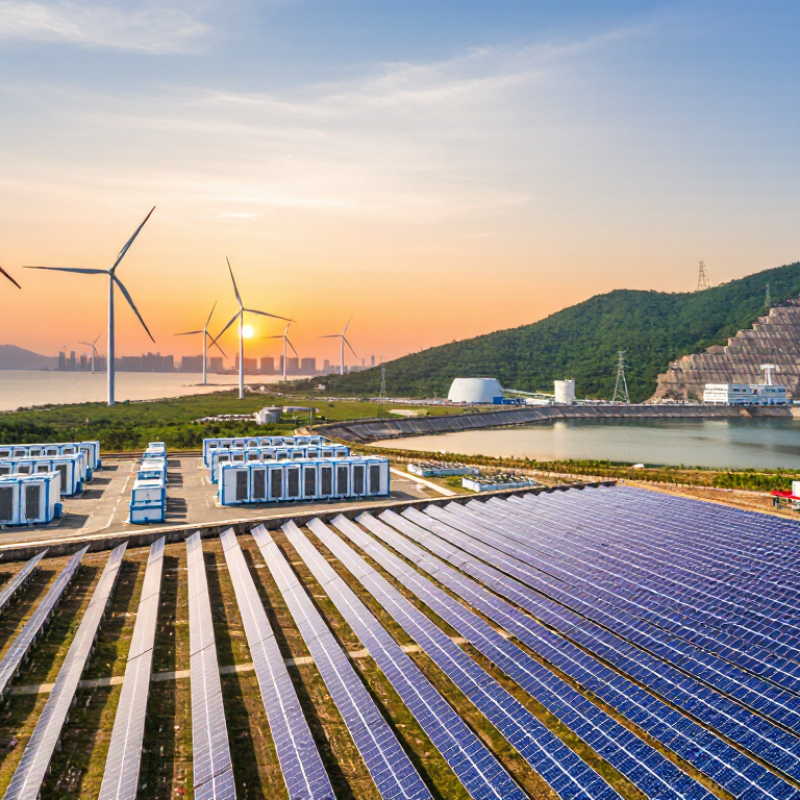
Table of Contents [Hide]
What Defines the Best Energy Storage System in China?
The best energy storage system in China is not simply the one with the largest capacity. It must match local grid conditions, weather, land limits, and daily electricity demand. A system serving a factory may need fast response during afternoon peaks, while a rural project may value stable backup power more. Practical design begins with measured load data, not sales promises.
Safety defines quality. Engineers should examine cell chemistry, fire separation, ventilation, insulation, and emergency controls. A reliable system keeps temperatures balanced across thousands of cells. It should also provide clear monitoring records, fault alarms, and tested shutdown procedures. In hot coastal areas, humidity protection matters. In northern regions, winter performance needs close attention. Small details matter.
Lifecycle value is equally important. Buyers should compare usable capacity, round-trip efficiency, degradation, maintenance access, and replacement costs. A five-year forecast may reveal more than a low purchase price. Recycling plans and responsible material handling also support long-term reliability. No system is perfect. Field data can be incomplete, and predicted cycle life may change under harsh operating conditions. That uncertainty deserves honest discussion. The strongest choice combines verified testing, trained service teams, transparent warranties, and design flexibility for future grid rules.

© Copyright - Pro Tool & Supply - Site by SVM E-Marketing Solutions - Sitemap
- Privacy policy