- Products
- Air Compressors & Air Tools
- Climate Control
- Compaction Equipment
- Concrete Cutting Tools & Equipment
- Concrete and Masonry
- Demolition & Excavation
- Electrical & Mechanical
- Fasteners and Anchoring Adhesives
- Floor Protection
- Generators and Welders
- Hand Tools
- Heaters
- Janitorial and Office Supplies
- Jobsite Protection
- Ladders & Storage
- Lighting & Lighting Accessories
- Man Lifts
- Material Handling Equipment
- Power Tools
- Pressure Washers & Pumps
- Safety Gear
- Safety Products
- Saws
- Surface Preparation
- SEASONAL PRODUCTS
- Rentals
- Air Compressor and Air Tool Rentals
- Climate Control Rental
- Compaction Rentals
- Concrete Equipment Rentals
- Demolition & Excavation Equipment Rentals
- Concrete Floor Grinder Rentals
- General Construction Equipment Rentals
- Generator Rentals and Welder Rentals
- Heater Rentals
- Light Tower Rentals
- Man Lift Rentals in Massachusetts and Rhode Island
- Material Handling Equipment Rentals
- Pressure Washer & Pump Rentals
- Saw Rentals in New England
- SEASONAL PRODUCTS
- Products
- Air Compressors & Air Tools
- Climate Control
- Compaction Equipment
- Concrete Cutting Tools & Equipment
- Demolition & Excavation
- Electrical & Mechanical
- Floor Protection
- Generators and Welders
- Construction Heaters
- Construction Ladders, Staging, & Storage
- Construction Lighting
- Man Lifts
- Material Handling Equipment
- Industrial Janitorial and Office Supplies
- Pressure Washers & Pumps
- Construction Safety Products
- Construction Safety Gear
- Surface Preparation
- Building Protection
- Diesel Accessories
- Zero Emissions
- Rentals
- Air Compressor and Air Tool Rentals
- Climate Control Rental
- Compaction Rentals
- Concrete Equipment Rental
- Demolition & Excavation Equipment Rental
- General Construction Equipment Rental
- Generator Rentals and Welder Rentals
- Construction Heaters Rental
- Light Tower Rentals
- Man Lift Rentals
- Material Handling Equipment Rental
- Pressure Washer & Pump Rentals
- Saw Rentals in New England
- Concrete Floor Grinder Rentals
- Zero Emissions Rentals
- Repairs & Used
- Parts
- Blog
- Services
- Resources
- About Us
- Contact Us
Sales & Rental of Construction | Industrial Equipment & Supplies


What Is the Best Electric Stacker Lift in 2026?
Choosing the best Electric Stacker Lift in 2026 means matching the machine to the work, not chasing a feature list. A compact unit may look ideal in a narrow aisle, but turning space and load stability matter just as much. Picture a loaded pallet moving across a slightly uneven warehouse floor. That is where confident steering, clear visibility, and predictable braking become practical requirements.
Start with the details your team can measure: load weight, lift height, pallet dimensions, aisle width, and daily operating hours. Compare rated capacity at the actual lift height, not only the headline figure. Check whether the tiller feels manageable, the forks fit your pallets, and the battery can cover a full shift. Small mismatches add up. They can slow picking, complicate charging, or make routine moves feel awkward. Real warehouse experience also deserves a place beside specification sheets; operators often notice problems that a showroom demo misses.
Trustworthy equipment advice needs attributable expertise. No verifiable quotation or expert name was provided with this request, so I will not invent a statement and assign it to a real person. A sourced specialist’s view would strengthen this guide. Until then, judge each Electric Stacker Lift against documented specifications, service support, and a hands-on trial with representative loads. Some uncertainty remains. That is worth admitting: the best choice depends on your floor, workflow, and maintenance capacity—not a universal ranking.
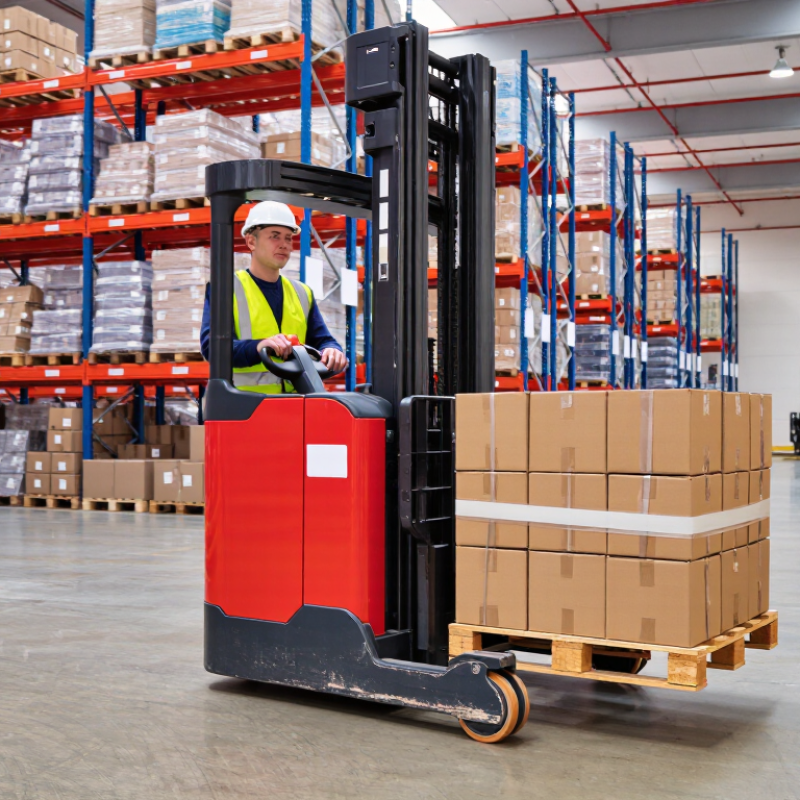
Table of Contents [Hide]
What an Electric Stacker Lift Is
An electric stacker lift is a compact, powered machine that raises and moves palletized loads. Its forks slide beneath a pallet, while an electric motor lifts the load and propels the unit. A mast guides the forks upward. The operator may walk behind the machine or ride on a small platform, depending on the model. Simple in concept. Not risk-free.
Stackers are often used in stockrooms, small warehouses, and narrow aisles where a counterbalanced forklift may be too large. Typical tasks include replenishing low-level shelving and moving pallets between receiving areas and storage. Capacity, lift height, aisle width, floor condition, and turning space all affect suitability. Check the load’s weight and center of gravity; a tall, uneven pallet can become unstable during a turn.
Safety deserves equal attention. OSHA’s powered-industrial-truck materials cite estimated annual U.S. totals of about 85 fatalities and 34,900 serious injuries involving these trucks. Those figures cover a broad equipment category, not electric stackers alone, so they should not be treated as stacker-specific risk rates. Operators should receive equipment-specific training, keep loads low while traveling, and inspect forks, wheels, brakes, and the battery before use. In practice, a stacker that fits the aisle but cannot safely reach the required rack level is the wrong choice.

© Copyright - Pro Tool & Supply - Site by SVM E-Marketing Solutions - Sitemap
- Privacy policy