Sales & Rental of Construction | Industrial Equipment & Supplies

What Are the Best Dual Exhaust System Types in 2026?

Choosing the best Dual Exhaust System in 2026 starts with a practical question: what should the setup improve? Sound, ground clearance, throttle response, and budget all matter. So does the engine. A dual-exit appearance does not automatically mean two fully independent exhaust paths, or more power.

Industry data offers useful context, but not a shortcut. SEMA’s 2024 Market Report estimated the U.S. specialty-equipment market at $52.3 billion in 2023. That figure shows a substantial customization market; it does not prove that dual exhaust upgrades improve every vehicle. The U.S. EPA’s 2024 Automotive Trends Report put average new-vehicle fuel economy at 27.1 miles per gallon for model year 2023. Factory efficiency keeps advancing, so aftermarket claims deserve careful scrutiny. Numbers need context.

Veteran engine builder David Vizard’s published guidance emphasizes matching exhaust capacity to an engine’s airflow needs, rather than choosing by appearance or sound alone. In short: fit the system to the combination. This guide compares true dual, single-to-dual, axle-back, and cat-back layouts, including their sound, fitment, cost, and performance trade-offs. Expect details such as muffler design, pipe diameter, and the space around a rear suspension. Not always glamorous. Still important. No layout wins on every vehicle, and I would not treat a louder note as proof of better performance. The right choice is the one that suits the car, the driver, and the evidence available.
What Are the Best Dual Exhaust System Types in 2026?

How Dual Exhaust Systems Differ from Single Exhaust

What Are the Best Dual Exhaust System Types in 2026?

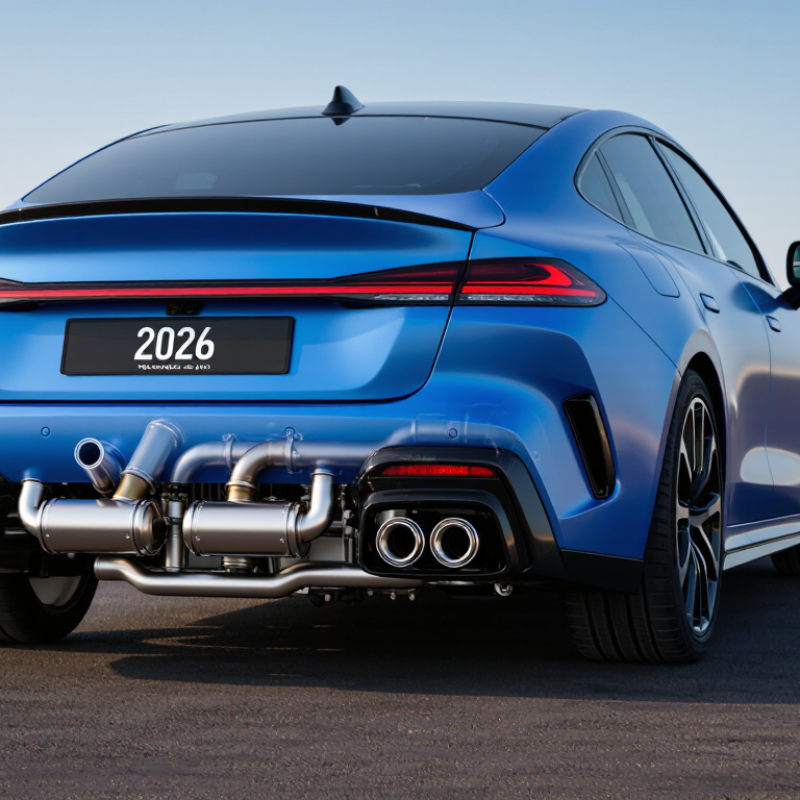
A single exhaust carries engine gases through one main pipe, even if its tailpipe has two decorative tips. A true dual exhaust keeps two separate paths for more of the system, often serving the engine’s two banks. The difference is beneath the car, not just at the bumper. Look under the vehicle: a single pipe that splits near the rear is usually a dual-exit setup, not a true dual system.

That distinction affects sound, packaging, and potential performance. Separate pipes may reduce restriction on some engines, but dual exhaust does not guarantee more power. Pipe diameter, bends, mufflers, and engine tuning all matter. Bigger is not automatically better. An oversized system can soften low-speed response or create cabin drone on a steady highway drive. Fitment matters, too: pipes need clearance from the frame, suspension, and heat-sensitive parts. A careful inspection should also check hangers, joints, and signs of leaks.

For many vehicles, a single system is lighter, simpler, and less costly to maintain. True dual setups can suit engines designed around two banks, while dual-exit systems offer a similar rear appearance with one main pipe. I’d question any claim that one layout is best for every vehicle; the right choice depends on its engine, intended use, and existing exhaust design. Even a clean-looking installation can disappoint if the sound becomes tiring after an hour on the road.

The Main Types of Dual Exhaust Systems in 2026

True dual exhaust uses separate pipes from the engine’s exhaust banks through the mufflers and tailpipes. It can support efficient gas flow on engines designed for separate paths, but pipe diameter and muffler choice still matter. Bigger pipes are not automatically better. Poor sizing may soften low-speed response or create unwanted cabin drone.

A single-in, dual-out system sends exhaust through one main pipe, then divides it near the rear. It is a common option when an owner wants two visible outlets without replacing the full exhaust layout. The split may be symmetrical, or both tips may exit on one side. It changes appearance more than engine flow in many setups. Looks simple. Details matter.

Another variation is a true dual system with cross-over tubing, often an H-pipe or X-pipe, connecting the two sides. The connector can influence exhaust pulses and sound, though results depend on engine design and tuning. Cat-back and axle-back systems describe how much piping is replaced, not whether the layout is truly dual. Before choosing, check the vehicle’s factory routing, ground clearance, and available space near the rear axle. Sound expectations can be misleading; a deeper note may also bring more vibration or drone on long drives.

What Are the Best Dual Exhaust System Types in 2026? — The Main Types of Dual Exhaust Systems in 2026

System Type Typical Configuration Main Advantages Considerations Best Suited For
True Dual Exhaust Two separate exhaust paths, generally serving separate cylinder banks, with each path running toward its own outlet. Provides independent routing for each bank and can support a balanced dual-outlet layout when the vehicle is designed for it. Requires suitable engine, chassis, and underbody clearance. Installation can be more involved, and results depend on pipe sizing and system design. Vehicles with compatible engine layouts and space for two complete exhaust paths.
Single-In, Dual-Out Exhaust One main pipe feeds a muffler or other exhaust components, then splits into two tailpipes near the rear. Creates a dual-outlet appearance while retaining a largely single-path system; it may be simpler to package than a full true-dual layout. The two outlets do not mean the system has two independent paths from the engine. The split and outlet placement must match the vehicle. Drivers seeking two rear outlets without converting the entire exhaust to separate paths.
Dual Cat-Back System Replaces exhaust components downstream of the catalytic converters with two pipes, typically including piping, mufflers, and tailpipes. Offers a broad range of sound and outlet-layout options while retaining the factory catalytic converters when properly designed for the vehicle. Fitment and available clearance vary by vehicle. A cat-back system does not necessarily include headers or catalytic converters. Those looking to change the exhaust sound or rear-section layout while keeping the factory catalytic converters.
Dual Axle-Back System Replaces the exhaust components behind the rear axle, commonly the mufflers and tailpipes, with a dual-outlet arrangement. Usually involves fewer replaced components than a cat-back system and can change the rear appearance and sound. It leaves most of the factory exhaust piping in place, so changes to overall flow are limited by the retained components. Those seeking a rear-section sound or appearance change with a more limited system replacement.
Header-Back Dual System Runs from the exhaust headers or manifolds through the remaining exhaust components to the outlets; the system may use two separate paths. Replaces a larger portion of the exhaust, allowing the overall routing and component combination to be selected as a complete system. More extensive installation; emissions equipment, sensors, noise rules, and vehicle compatibility must be checked carefully. Vehicle builds requiring a more comprehensive exhaust replacement and compatible with the selected parts and local regulations.
Dual Side-Exit System Uses two outlets positioned along the sides of the vehicle rather than at the rear; it can be paired with different upstream system layouts. Provides an alternative outlet position and can suit certain vehicle designs or build preferences. Requires adequate clearance from the body, tires, fuel lines, and occupants. Outlet position must comply with applicable safety and noise requirements. Vehicles designed or modified to accommodate side outlets safely.

Note: These categories can overlap: “cat-back” and “axle-back” describe which parts a system replaces, while “true dual” and “single-in, dual-out” describe exhaust routing. Actual fitment, sound, performance, and legal requirements depend on the vehicle and local regulations.

How Dual Exhaust Designs Affect Power, Sound, and Cost

Dual exhaust affects power through flow balance, pipe diameter, and engine design. A true dual system gives each bank its own path, while a single system with two outlets mainly changes appearance and sound. On a high-output V-engine, separate pipes can reduce restriction when sized correctly. But larger tubing is not automatically faster. Oversized pipes may soften low-speed response, especially on a smaller engine.

Sound changes with pipe layout and muffler volume. An H-pipe often gives a deeper, steadier note; an X-pipe can sound smoother and sharper at higher engine speeds. Those are tendencies, not guarantees. Cabin resonance also depends on pipe length, mufflers, and body shape. A test drive matters. Listen at idle, then at cruising speed, where an irritating drone can become obvious.

Cost follows complexity. A true dual setup may need extra tubing, hangers, bends, and careful clearance around the chassis. That adds labor, and tight spaces can make installation slower. A dual-exit single system is usually simpler and less costly, though it may deliver less flow improvement. Ask an installer to compare pipe diameter, expected power gains, and total fitted cost for your specific engine. I would not choose by sound clips alone; recordings rarely capture cabin tone accurately.

Key Factors for Choosing a Dual Exhaust Configuration

What Are the Best Dual Exhaust System Types in 2026?

Key Factors for Choosing a Dual Exhaust Configuration

The right setup depends on your engine, vehicle layout, and driving habits. A true dual system uses separate pipes from the engine back, but it needs enough space beneath the vehicle. A dual-exit system routes both outlets to one side or splits them at the rear. It can create a balanced look with fewer routing changes. Fitment matters. Check pipe clearance near the axle, fuel tank, and suspension before choosing. A tight bend can affect ground clearance or create unwanted vibration.

Sound and daily comfort deserve equal attention. Larger pipes do not automatically improve performance; an oversized diameter may reduce low-speed response on some engines. Consider the muffler design, cabin drone, and how often you drive at highway speeds. Stainless steel usually resists corrosion better than basic aluminized steel, though material quality and climate affect service life. Check vehicle-specific compatibility, installation requirements, and applicable noise rules. Small details count.

Which Dual Exhaust Types Suit Different Vehicles and Driving Needs

A true dual exhaust suits vehicles with two exhaust banks, especially V-type engines designed for separate outlet paths. It can preserve balanced flow and produce a deeper, more even note, but routing space and engine layout matter. For many four-cylinder cars, a dual-exit single system uses one main pipe that splits near the rear. It gives the paired-tailpipe look without requiring two full-length pipes. A cat-back system replaces piping behind the catalytic converter; an axle-back changes only the rear section. Choose based on the sound, clearance, and parts you actually need. There is no perfect layout.

Driving habits help narrow the choice. Daily commuters may prefer a modest axle-back system, which usually changes sound without replacing as much piping. Drivers seeking a broader tone may consider a cat-back system with an H- or X-shaped crossover, if their vehicle supports it. Towing and frequent highway driving call for restrained volume, not just a larger outlet. Sound clips can mislead. Cabin resonance often appears at steady cruising speeds, not during a brief rev. The EPA’s 2024 Automotive Trends Report puts average new-vehicle fuel economy at 27.1 mpg for model year 2023; an exhaust swap alone does not guarantee better mileage. SEMA’s 2024 Market Report estimated the U.S. specialty-equipment market at $52.3 billion in 2023, but that broad figure is not proof that every configuration fits every car. Check measured clearance, pipe diameter, and documented vehicle compatibility before choosing.

© Copyright - Pro Tool & Supply - Site by SVM E-Marketing Solutions - Sitemap - Privacy policy
