- Products
- Air Compressors & Air Tools
- Climate Control
- Compaction Equipment
- Concrete Cutting Tools & Equipment
- Concrete and Masonry
- Demolition & Excavation
- Electrical & Mechanical
- Fasteners and Anchoring Adhesives
- Floor Protection
- Generators and Welders
- Hand Tools
- Heaters
- Janitorial and Office Supplies
- Jobsite Protection
- Ladders & Storage
- Lighting & Lighting Accessories
- Man Lifts
- Material Handling Equipment
- Power Tools
- Pressure Washers & Pumps
- Safety Gear
- Safety Products
- Saws
- Surface Preparation
- SEASONAL PRODUCTS
- Rentals
- Air Compressor and Air Tool Rentals
- Climate Control Rental
- Compaction Rentals
- Concrete Equipment Rentals
- Demolition & Excavation Equipment Rentals
- Concrete Floor Grinder Rentals
- General Construction Equipment Rentals
- Generator Rentals and Welder Rentals
- Heater Rentals
- Light Tower Rentals
- Man Lift Rentals in Massachusetts and Rhode Island
- Material Handling Equipment Rentals
- Pressure Washer & Pump Rentals
- Saw Rentals in New England
- SEASONAL PRODUCTS
- Products
- Air Compressors & Air Tools
- Climate Control
- Compaction Equipment
- Concrete Cutting Tools & Equipment
- Demolition & Excavation
- Electrical & Mechanical
- Floor Protection
- Generators and Welders
- Construction Heaters
- Construction Ladders, Staging, & Storage
- Construction Lighting
- Man Lifts
- Material Handling Equipment
- Industrial Janitorial and Office Supplies
- Pressure Washers & Pumps
- Construction Safety Products
- Construction Safety Gear
- Surface Preparation
- Building Protection
- Diesel Accessories
- Zero Emissions
- Rentals
- Air Compressor and Air Tool Rentals
- Climate Control Rental
- Compaction Rentals
- Concrete Equipment Rental
- Demolition & Excavation Equipment Rental
- General Construction Equipment Rental
- Generator Rentals and Welder Rentals
- Construction Heaters Rental
- Light Tower Rentals
- Man Lift Rentals
- Material Handling Equipment Rental
- Pressure Washer & Pump Rentals
- Saw Rentals in New England
- Concrete Floor Grinder Rentals
- Zero Emissions Rentals
- Repairs & Used
- Parts
- Blog
- Services
- Resources
- About Us
- Contact Us
Sales & Rental of Construction | Industrial Equipment & Supplies


2026 Best Construction Tools for Every Builder's Toolkit?
In the ever-evolving world of construction, effective tools are essential for any builder’s toolkit. The right construction tools can make a significant difference in efficiency and productivity on the job site. With an array of options available, it’s crucial to identify which tools best suit various projects. From powerful drills to precise measuring instruments, each tool has its unique purpose and value.
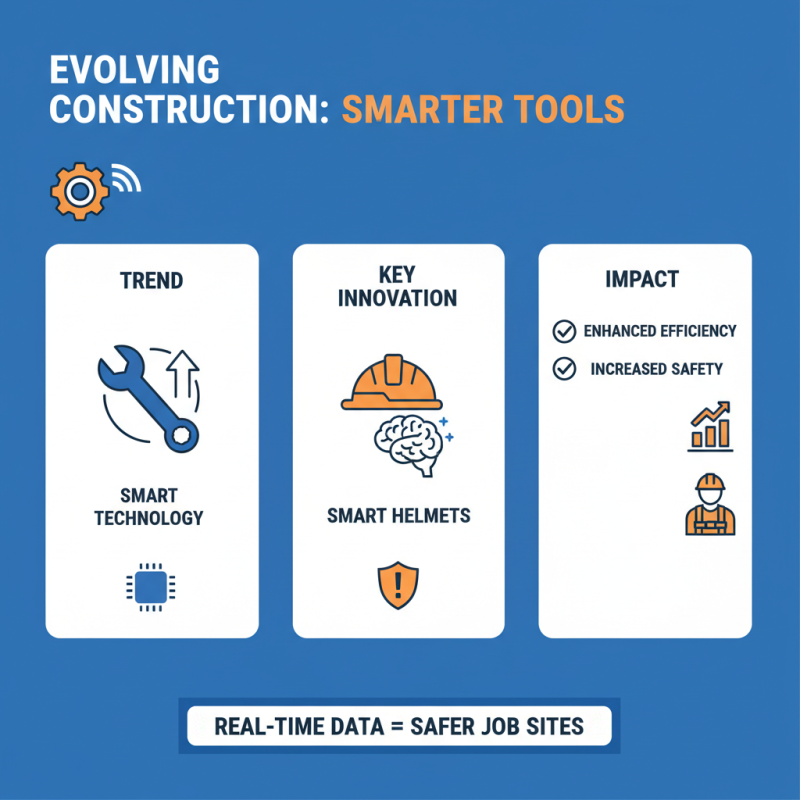
Innovations in construction tools continue to reshape the industry. New technologies can streamline tasks and enhance safety. However, not all tools meet high standards. Some may underperform or become obsolete quickly. Builders must remain vigilant and discerning when selecting tools. Understanding the strengths and limitations of each tool is vital for long-term success.
In 2026, the demand for reliability and versatility in construction tools persists. The right tools can elevate a project from mediocre to exceptional. But it's essential to mix new purchases with tried-and-true favorites. Balancing innovation with experience can lead to better outcomes. A well-rounded toolkit is a builder's best asset. Investing time to reflect on tool choices can lead to invaluable insights.
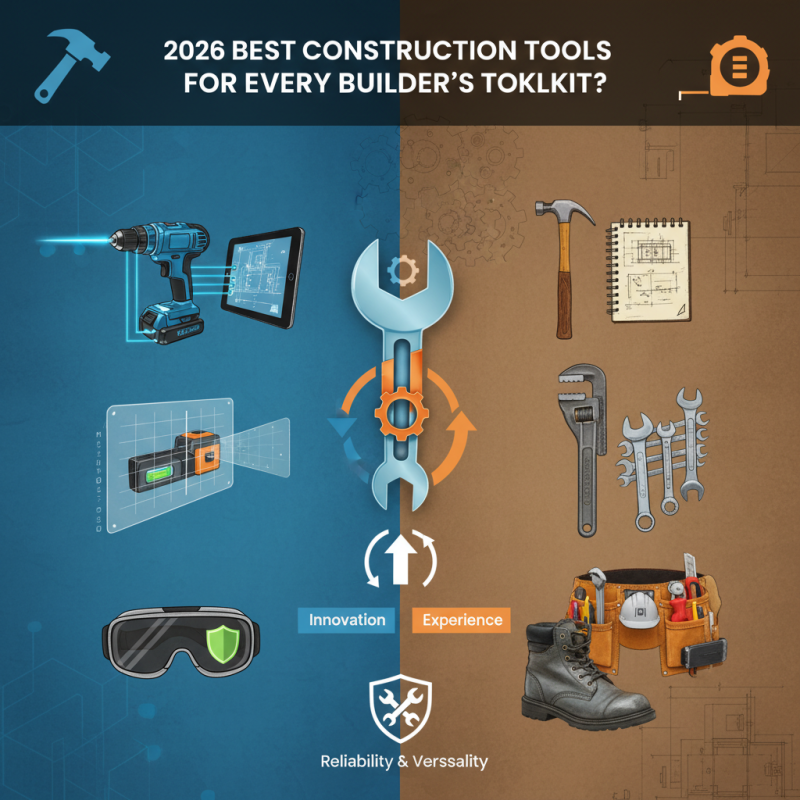
Table of Contents
[Hide]
The Importance of Quality Tools in Construction: Industry Insights
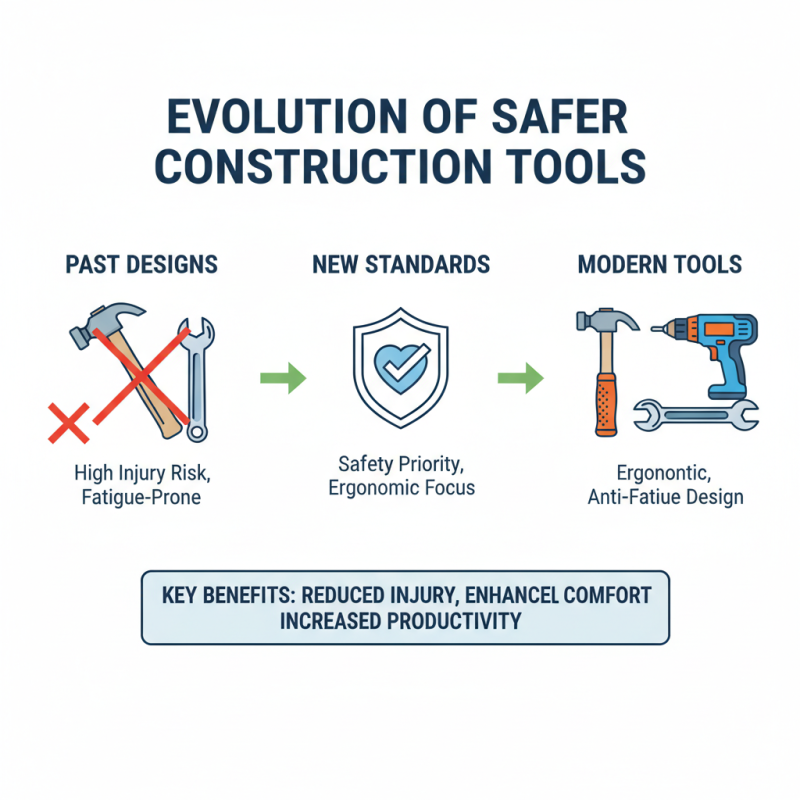
In construction, the quality of tools directly impacts the final outcome of any project. Workers rely on sturdy and reliable tools to ensure safety and efficiency. Poor-quality tools can lead to mistakes, causing delays and increased costs. A well-equipped toolbox can make all the difference in the success of a job.
Investing in high-quality tools may seem costly upfront, but the returns are significant. Durable tools withstand wear and tear, saving money over time. Builders often struggle with tools that break easily. This results in frustration and hindering progress. Builders should reflect on their toolkit and assess whether their current tools serve them effectively. Having the right equipment enhances productivity and promotes a safer work environment.
Moreover, some builders may underestimate the importance of regular maintenance. Tools require care to ensure longevity and reliability. Neglecting these aspects can lead to unfortunate accidents. It’s essential for builders to acknowledge that tool quality isn’t just a preference; it’s a necessity for achieving excellence in construction.
2026 Best Construction Tools for Every Builder's Toolkit: The Importance of Quality Tools in Construction
| Tool Type | Key Features | Durability Rating | Price Range (USD) |
|---|---|---|---|
| Cordless Drill | Lightweight, multiple speed settings, ergonomic design | A+ | 100 - 300 |
| Circular Saw | Adjustable depth, laser guide, safety guards | A | 150 - 400 |
| Level | Durable aluminum, vials for accuracy, magnetic strip | A++ | 20 - 100 |
| Tape Measure | Compact, rubberized case, locking mechanism | A+ | 10 - 50 |
| Hammer | Balanced weight, shock-absorbing handle, durable head | A | 15 - 100 |
Related Posts
-
10 Essential Tips for Choosing the Right Construction Tools for Your Projects?
-
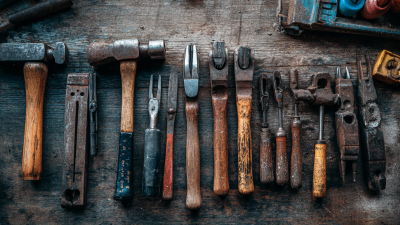
Exploring the Evolution of Shop Tools from Handheld Gadgets to Smart Technology
-
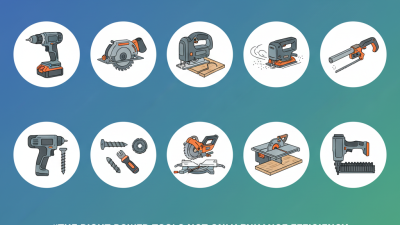
Top 10 Essential Power Tools Every DIYer Needs in 2023
-
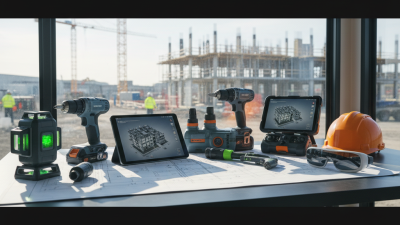
Top 5 Essential Contractor Tools for 2025: Boost Your Efficiency Today!
-

Top 10 Tips for Choosing the Best Electric Heaters for Your Home
-
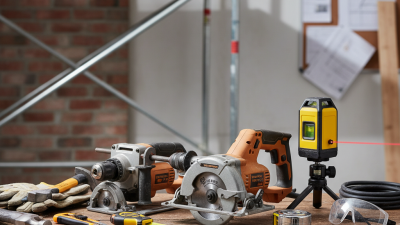
10 Essential Contractor Tools Every Professional Needs for Success

© Copyright - Pro Tool & Supply - Site by SVM E-Marketing Solutions - Sitemap
- Privacy policy