- Products
- Air Compressors & Air Tools
- Climate Control
- Compaction Equipment
- Concrete Cutting Tools & Equipment
- Concrete and Masonry
- Demolition & Excavation
- Electrical & Mechanical
- Fasteners and Anchoring Adhesives
- Floor Protection
- Generators and Welders
- Hand Tools
- Heaters
- Janitorial and Office Supplies
- Jobsite Protection
- Ladders & Storage
- Lighting & Lighting Accessories
- Man Lifts
- Material Handling Equipment
- Power Tools
- Pressure Washers & Pumps
- Safety Gear
- Safety Products
- Saws
- Surface Preparation
- SEASONAL PRODUCTS
- Rentals
- Air Compressor and Air Tool Rentals
- Climate Control Rental
- Compaction Rentals
- Concrete Equipment Rentals
- Demolition & Excavation Equipment Rentals
- Concrete Floor Grinder Rentals
- General Construction Equipment Rentals
- Generator Rentals and Welder Rentals
- Heater Rentals
- Light Tower Rentals
- Man Lift Rentals in Massachusetts and Rhode Island
- Material Handling Equipment Rentals
- Pressure Washer & Pump Rentals
- Saw Rentals in New England
- SEASONAL PRODUCTS
- Products
- Air Compressors & Air Tools
- Climate Control
- Compaction Equipment
- Concrete Cutting Tools & Equipment
- Demolition & Excavation
- Electrical & Mechanical
- Floor Protection
- Generators and Welders
- Construction Heaters
- Construction Ladders, Staging, & Storage
- Construction Lighting
- Man Lifts
- Material Handling Equipment
- Industrial Janitorial and Office Supplies
- Pressure Washers & Pumps
- Construction Safety Products
- Construction Safety Gear
- Surface Preparation
- Building Protection
- Diesel Accessories
- Zero Emissions
- Rentals
- Air Compressor and Air Tool Rentals
- Climate Control Rental
- Compaction Rentals
- Concrete Equipment Rental
- Demolition & Excavation Equipment Rental
- General Construction Equipment Rental
- Generator Rentals and Welder Rentals
- Construction Heaters Rental
- Light Tower Rentals
- Man Lift Rentals
- Material Handling Equipment Rental
- Pressure Washer & Pump Rentals
- Saw Rentals in New England
- Concrete Floor Grinder Rentals
- Zero Emissions Rentals
- Repairs & Used
- Parts
- Blog
- Services
- Resources
- About Us
- Contact Us
Sales & Rental of Construction | Industrial Equipment & Supplies

10 Best Conductivity Meters to Buy in 2026
A Conductivity Meter turns an invisible property of water into a reading you can use. That number can help monitor hydroponic nutrient solutions, aquarium water, pools, and laboratory samples. Yet a meter is only as useful as its range, probe, and care routine. A quick dip is not the whole story.
This guide to the 10 best conductivity meters to buy in 2026 compares practical features that affect everyday measurements. Look for a suitable conductivity range, clear display, replaceable or durable probe, and automatic temperature compensation when your work needs it. Calibration matters, too. A standard solution, rinsed probe, and steady sample temperature can make readings more consistent. Small details count.
No meter is perfect. A low-cost model may suit occasional checks, while frequent testing may justify a sturdier instrument with clearer calibration guidance. Even then, specifications do not guarantee a good fit for every sample. Water residue on a probe, bubbles around its sensor, or a rushed reading can change results. That is easy to overlook.
The selections are intended to help you compare use cases, not promise identical performance across brands. Check current manufacturer specifications, supported ranges, calibration instructions, and replacement-part availability before buying. If readings seem unusual, test a fresh sample and verify the meter with a suitable standard. A shortlist helps, but your sampling routine still matters.
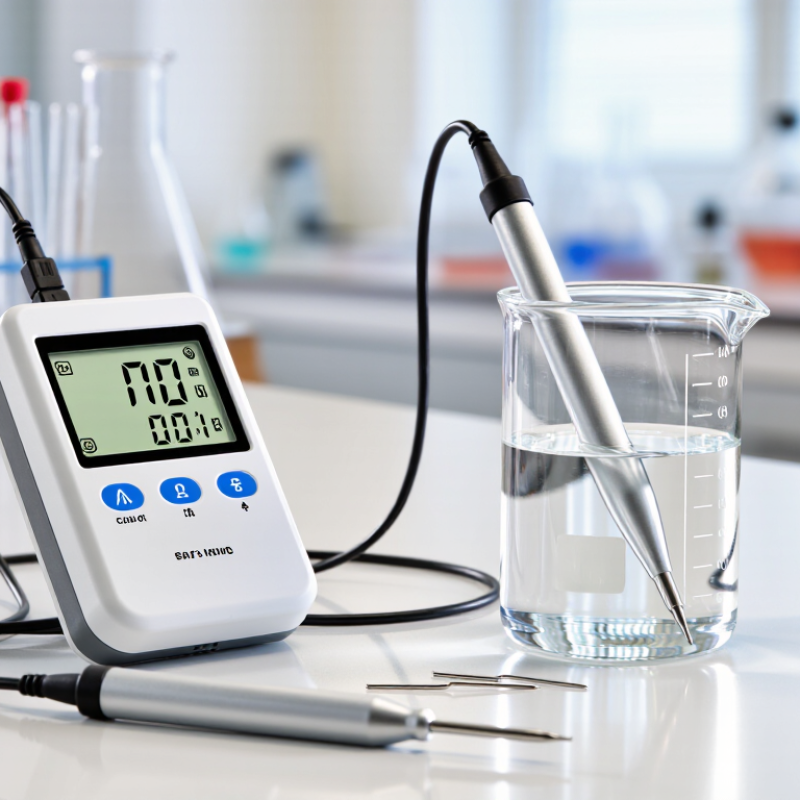
Table of Contents [Hide]
What Conductivity Meters Measure and How They Work
A conductivity meter estimates how easily electrical current moves through a liquid. Dissolved ions, such as sodium or chloride, carry that current. More mobile ions usually mean higher conductivity, but the reading does not identify which substances are present. That distinction matters. A meter cannot confirm that water is safe or reveal every contaminant.
Most meters pass a small alternating current between electrodes in a probe and measure the response. Alternating current helps limit electrode polarization. The meter then applies a cell constant to convert the measurement into conductivity, often shown in microsiemens or millisiemens per centimeter. Temperature changes conductivity, so many instruments display the sample temperature and compensate toward a reference value, commonly 25°C. That adjustment helps comparisons, but it does not make every sample behave identically.
A practical check begins with a suitable calibration standard. Rinse the probe, shake off excess droplets, and immerse it without trapping bubbles around the sensor. Wait for the display to settle. Small details matter. A clean-looking sample can still give an unexpected result, which is a useful reminder to check calibration, temperature, and probe condition before drawing conclusions. I would not treat a single reading as a complete water analysis.

© Copyright - Pro Tool & Supply - Site by SVM E-Marketing Solutions - Sitemap
- Privacy policy