- Products
- Air Compressors & Air Tools
- Climate Control
- Compaction Equipment
- Concrete Cutting Tools & Equipment
- Concrete and Masonry
- Demolition & Excavation
- Electrical & Mechanical
- Fasteners and Anchoring Adhesives
- Floor Protection
- Generators and Welders
- Hand Tools
- Heaters
- Janitorial and Office Supplies
- Jobsite Protection
- Ladders & Storage
- Lighting & Lighting Accessories
- Man Lifts
- Material Handling Equipment
- Power Tools
- Pressure Washers & Pumps
- Safety Gear
- Safety Products
- Saws
- Surface Preparation
- SEASONAL PRODUCTS
- Rentals
- Air Compressor and Air Tool Rentals
- Climate Control Rental
- Compaction Rentals
- Concrete Equipment Rentals
- Demolition & Excavation Equipment Rentals
- Concrete Floor Grinder Rentals
- General Construction Equipment Rentals
- Generator Rentals and Welder Rentals
- Heater Rentals
- Light Tower Rentals
- Man Lift Rentals in Massachusetts and Rhode Island
- Material Handling Equipment Rentals
- Pressure Washer & Pump Rentals
- Saw Rentals in New England
- SEASONAL PRODUCTS
- Products
- Air Compressors & Air Tools
- Climate Control
- Compaction Equipment
- Concrete Cutting Tools & Equipment
- Demolition & Excavation
- Electrical & Mechanical
- Floor Protection
- Generators and Welders
- Construction Heaters
- Construction Ladders, Staging, & Storage
- Construction Lighting
- Man Lifts
- Material Handling Equipment
- Industrial Janitorial and Office Supplies
- Pressure Washers & Pumps
- Construction Safety Products
- Construction Safety Gear
- Surface Preparation
- Building Protection
- Diesel Accessories
- Zero Emissions
- Rentals
- Air Compressor and Air Tool Rentals
- Climate Control Rental
- Compaction Rentals
- Concrete Equipment Rental
- Demolition & Excavation Equipment Rental
- General Construction Equipment Rental
- Generator Rentals and Welder Rentals
- Construction Heaters Rental
- Light Tower Rentals
- Man Lift Rentals
- Material Handling Equipment Rental
- Pressure Washer & Pump Rentals
- Saw Rentals in New England
- Concrete Floor Grinder Rentals
- Zero Emissions Rentals
- Repairs & Used
- Parts
- Blog
- Services
- Resources
- About Us
- Contact Us
Sales & Rental of Construction | Industrial Equipment & Supplies


What Are the Best Concrete Cutting Tools in 2026?
Choosing the right concrete cutting tools in 2026 means matching the blade, power source, and cutting method to the job. A handheld saw may suit a short opening in a garage wall. A walk-behind saw is better for long, straight cuts across a slab. For either setup, blade type matters: the wrong bond can glaze or wear quickly, while a suitable diamond blade can cut more steadily. Dust control, water delivery, depth capacity, and access to power also shape the decision.
This guide compares common tool types by cutting performance, control, upkeep, and practical site conditions. It looks at what changes when you cut reinforced concrete, work indoors, or need a clean edge near finished surfaces. Small details count. A dull blade, an awkward handle, or a poorly placed water line can slow the work and affect the finish. No single saw is best for every project.
A verified expert quotation was not included in the supplied material, so I won’t invent a name or quote. Before publication, add a source-checked statement from a named concrete-cutting professional. The comparison that follows focuses on clear criteria, not brand hype, so readers can choose tools that fit their work, skill level, and cutting conditions.
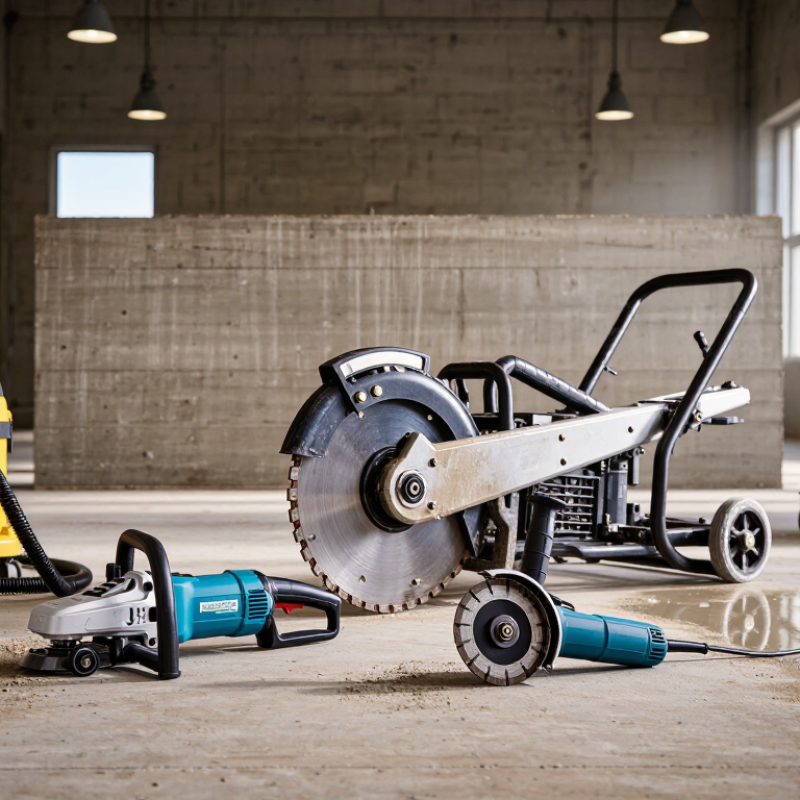
Table of Contents
[Hide]
How Concrete Hardness, Aggregate, and Cut Depth Determine Tool Choice
Concrete is not one uniform material. A slab containing hard river gravel can wear a blade differently from one made with softer limestone, even when the surfaces look alike. Hardness matters. Hard, dense aggregate often slows cutting and creates more heat. Softer aggregate may cut faster, but can wear diamond segments quickly. For hard aggregate, a softer segment bond can help expose fresh diamond; softer material often calls for a harder bond. These are useful starting points, not guarantees. A quick field check can mislead, and that is easy to overlook.
Cut depth changes the equipment choice. A shallow control joint may suit a handheld saw, while a deep opening may need a larger saw with enough blade diameter and power. Check the tool’s rated cutting depth before starting; blade size alone does not tell the whole story. Deep cuts may require several controlled passes, which can reduce strain and help keep the cut straight. Dust control matters, too. Use appropriate wet cutting or dust extraction, and follow the tool maker’s operating guidance. Sometimes the slab surprises you. Aggregate varies within a single pour, so watch cutting speed, heat, and blade wear as work progresses.
Related Posts
-
2026 Best Demolition Tools for Efficient Home Renovation?
-
Best 10 Construction Tools You Need for Your Next Project?
-
What Are the Top 10 Construction Tools Made in China?
-

Top Used Tools for Efficient Global Sourcing Solutions?
-

Top Electrical Tools Tips Every Global Buyer Should Know
-

How to Choose Construction Tools for Projects in 2026?

© Copyright - Pro Tool & Supply - Site by SVM E-Marketing Solutions - Sitemap
- Privacy policy