- Products
- Air Compressors & Air Tools
- Climate Control
- Compaction Equipment
- Concrete Cutting Tools & Equipment
- Concrete and Masonry
- Demolition & Excavation
- Electrical & Mechanical
- Fasteners and Anchoring Adhesives
- Floor Protection
- Generators and Welders
- Hand Tools
- Heaters
- Janitorial and Office Supplies
- Jobsite Protection
- Ladders & Storage
- Lighting & Lighting Accessories
- Man Lifts
- Material Handling Equipment
- Power Tools
- Pressure Washers & Pumps
- Safety Gear
- Safety Products
- Saws
- Surface Preparation
- SEASONAL PRODUCTS
- Rentals
- Air Compressor and Air Tool Rentals
- Climate Control Rental
- Compaction Rentals
- Concrete Equipment Rentals
- Demolition & Excavation Equipment Rentals
- Concrete Floor Grinder Rentals
- General Construction Equipment Rentals
- Generator Rentals and Welder Rentals
- Heater Rentals
- Light Tower Rentals
- Man Lift Rentals in Massachusetts and Rhode Island
- Material Handling Equipment Rentals
- Pressure Washer & Pump Rentals
- Saw Rentals in New England
- SEASONAL PRODUCTS
- Products
- Air Compressors & Air Tools
- Climate Control
- Compaction Equipment
- Concrete Cutting Tools & Equipment
- Demolition & Excavation
- Electrical & Mechanical
- Floor Protection
- Generators and Welders
- Construction Heaters
- Construction Ladders, Staging, & Storage
- Construction Lighting
- Man Lifts
- Material Handling Equipment
- Industrial Janitorial and Office Supplies
- Pressure Washers & Pumps
- Construction Safety Products
- Construction Safety Gear
- Surface Preparation
- Building Protection
- Diesel Accessories
- Zero Emissions
- Rentals
- Air Compressor and Air Tool Rentals
- Climate Control Rental
- Compaction Rentals
- Concrete Equipment Rental
- Demolition & Excavation Equipment Rental
- General Construction Equipment Rental
- Generator Rentals and Welder Rentals
- Construction Heaters Rental
- Light Tower Rentals
- Man Lift Rentals
- Material Handling Equipment Rental
- Pressure Washer & Pump Rentals
- Saw Rentals in New England
- Concrete Floor Grinder Rentals
- Zero Emissions Rentals
- Repairs & Used
- Parts
- Blog
- Services
- Resources
- About Us
- Contact Us
Sales & Rental of Construction | Industrial Equipment & Supplies


10 Best Centrifugal Pumpe Options for Global Buyers?
Choosing among the 10 Best Centrifugal Pumpe Options for Global Buyers requires more than comparing price, flow rate, and brand reputation. A pump may look efficient on paper, yet perform poorly with abrasive slurry, unstable voltage, or frequent starts. Real operating conditions matter.
The U.S. Department of Energy’s pumping-system guidance reports that pumping equipment can represent 25% to 50% of electricity use in some industrial facilities. That figure makes lifecycle efficiency a purchasing priority, not a minor specification. The International Energy Agency also identifies motor-driven systems as a major industrial electricity load. Therefore, buyers should examine motor efficiency, impeller design, control methods, and maintenance access together. A lower purchase price can become expensive through energy waste and repeated seal failures.
This guide compares ten practical Centrifugal Pumpe options for water treatment, agriculture, construction, manufacturing, and process industries. The evaluation considers capacity, head pressure, materials, efficiency, installation flexibility, service support, and compliance with recognized standards. ISO 5199 and ASME B73.1 provide useful reference points for industrial pump design and performance expectations. Still, no ranking fits every plant. That is the uncomfortable part. Local water chemistry, spare-part availability, and technician skills can change the final decision. Buyers should verify curves using actual duty points, not brochure promises. They should also request tested performance data and warranty terms in writing. Small details matter. A mismatched seal can stop an entire production line. This overview offers informed direction, but site-specific engineering review remains essential before purchase.
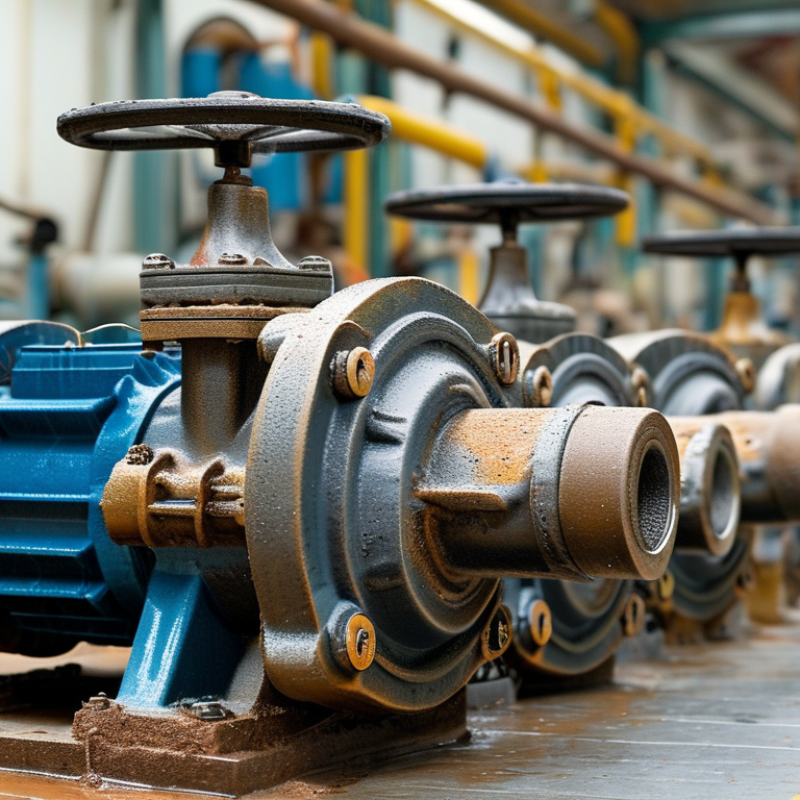
Table of Contents [Hide]
What Is a Centrifugal Pump and How Does It Work?
A centrifugal pump moves liquid by converting rotating energy into pressure. An electric motor turns an impeller inside a casing. Liquid enters through the impeller eye, gains velocity, and travels outward along the blades. The volute then slows the flow, converting velocity into usable pressure. It is simple in principle, but small installation errors can cause large losses.
The U.S. Department of Energy reports that pumping systems can consume about 25% of industrial electricity in the United States, according to Improving Pumping System Performance: A Sourcebook for Industry. Efficiency therefore matters beyond the nameplate. Buyers should examine the pump curve, duty point, motor efficiency, seal arrangement, and expected operating hours. The best selection usually runs near its best efficiency point, not merely at maximum flow. It should also match liquid temperature, viscosity, solids content, and corrosion risk.
Global projects need practical checks. Confirm voltage, frequency, materials, connection standards, documentation, and local service capability. Net positive suction head deserves attention. Insufficient NPSH can create vapor bubbles, noise, vibration, and impeller damage. It sounds minor. It is not. A long suction pipe or partly closed valve may quietly reduce performance. Real installations are less tidy than catalog examples. I have seen an apparently oversized pump waste energy because the system resistance was estimated poorly. The curve was correct; the assumptions were not. Availability data from the Hydraulic Institute and compliance with relevant ISO or API requirements can support a more defensible purchasing decision.

© Copyright - Pro Tool & Supply - Site by SVM E-Marketing Solutions - Sitemap
- Privacy policy